Teen suntans could pose cancer risk
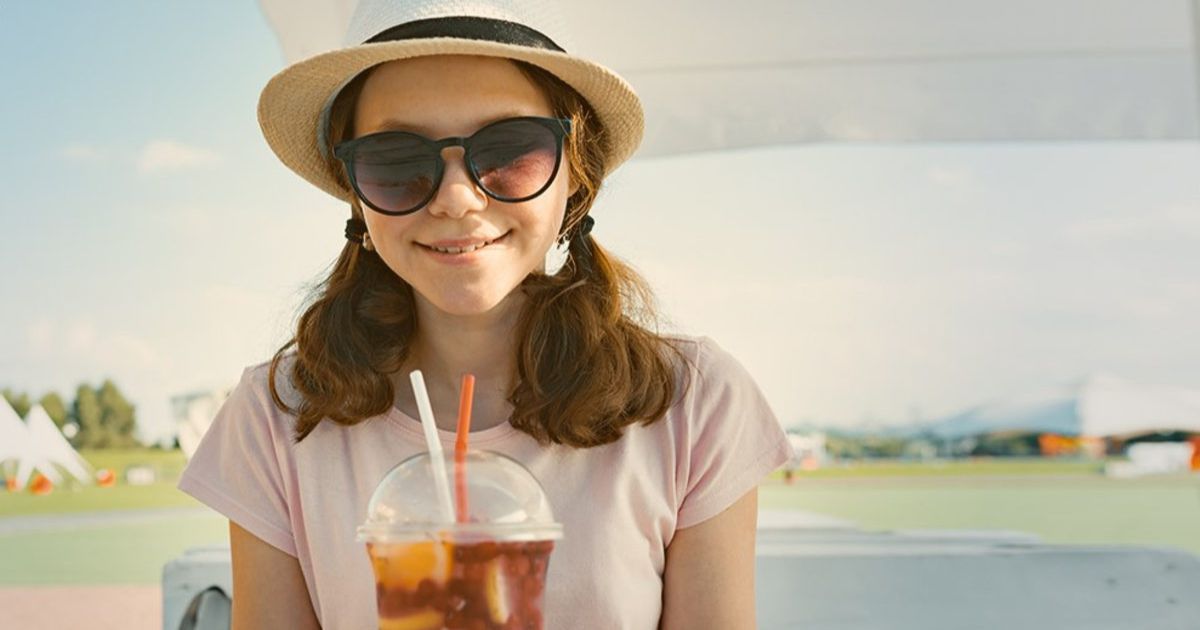
The research found the majority of teens were not properly protecting themselves from the sun, and may be unaware they are increasing their risk of skin cancers. Photo: SUPPLIED


New research from The Royal Children’s Hospital (RCH) has revealed half (49 per cent) of teenagers would prefer to look suntanned, with a quarter (23 per cent) falsely believing a suntan will protect them from skin cancer.
Dermatologists say it is an alarming finding, with Australia facing one of the highest rates of skin cancer in the world.
The National Child Health Poll surveyed more than 1,400 Australian parents, as well as one of their children aged between 12 and 17, about tanning, sunburn and their knowledge of sun safety.
The findings included:
- Almost three quarters (72 per cent) of teens report being sunburnt at least once over a six-month period, with close to half (44 per cent) burnt multiple times
- Pro-tanning attitudes are common among teens, with half (49 per cent) saying they prefer to look suntanned and one in four falsely believing a tan protects them from skin cancer
- The majority of teens (60 per cent) did not use adequate sun protection when outdoors during peak UV times, and
- Only one in four teens (22 per cent) know how to tell when sun protection is needed, with just 5 per cent aware that when the UV index is 3 or more, sun protection is necessary.
Dr Anthea Rhodes, paediatrician and director of the National Child Health Poll, said the research found the majority of teens were not properly protecting themselves from the sun, and may be unaware they are increasing their risk of skin cancers.
“We know there’s a lot of trends on social media that highlight tan lines and even promote sunburn, and teenagers might not fully understand the risk tanning or sun exposure can pose,” she said.
“That same slogan still rings true – there’s nothing healthy about a suntan, it’s your skin’s response to harm from the sun.”
It can take as little as 10 minutes for a child or teen to suffer skin damage from the sun.
“While it’s not common to see young children with skin cancer, it sadly does happen in children as young as 10,” dermatologist, Dr Susan Robertson, said.
“Teens may think skin damage isn’t something that will affect them until later in life, but we know that’s not true.
“Even one severe sunburn in childhood is enough to increase your lifetime risk of skin cancer.”
This is why all five forms of sun protection – not just sunscreen – are important any time the UV index is 3 or more.
Emma Glassenbury, head of SunSmart at Cancer Council Victoria, said it was important to check the free SunSmart Global UV app and plan accordingly, even on a cloudy or cool day.
“We recommend keeping a wide brim hat, sunnies and sunscreen near the door ready when you leave the house,” she said.
“Pack covering clothing to throw on over bathers or during outdoor activities and seek shade wherever possible.
“Summer is a great time to be outdoors, but we want everyone to do so safely.”
If your child is sunburnt, make sure they stay hydrated and try simple measures like a cool compress to relieve discomfort. In more severe cases, they may benefit from pain relief medicines such as paracetamol or ibuprofen.
If they develop severe blistering or if your child shows signs of heat stroke such as headache, nausea or vomiting, seek urgent medical review.
Share


Related Articles
Former international opera singer explores ageing in new exhibition
AFTER almost two decades performing opera around the world, Ocean…
Short plays, big stories: Geelong short play festival returns in August
SIX original plays by Geelong writers will premiere next month…