Why younger women can’t ignore breast cancer signs
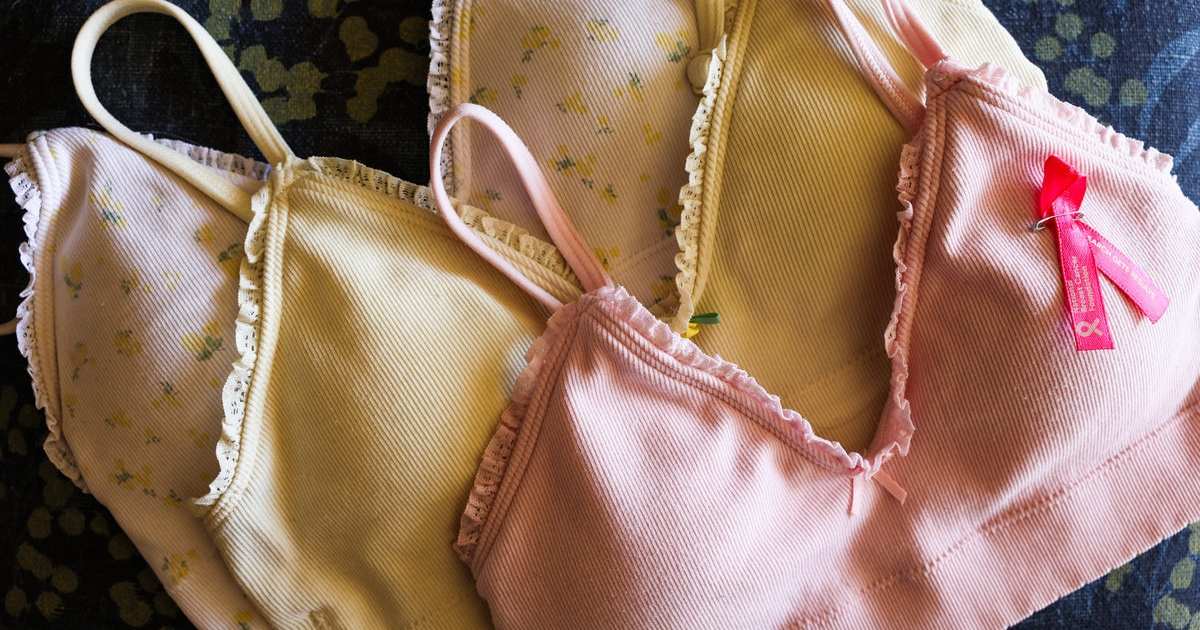
Breast cancer affects an increasing number of 20-39-year-olds, but many people are unaware of what to look out for. Photo: Nyah Barnes.


BREAST cancer is still widely seen as an older woman’s issue, but rising cases among women aged 20 to 39 are shifting that narrative.
According to the National Breast Cancer Foundation, breast cancer is the most common cancer diagnosed in women under 40.
Despite this, many young women have not been taught about how to check for signs of breast cancer or what to do if they are concerned.
Surf Coast Women’s Health Group general practitioner Dr Alexandra Dunlop said awareness is improving, even as case numbers grow.
Where the gap remains is in practical knowledge. Many younger women are unfamiliar with what is normal for their own breasts, which can make it harder to spot changes early.
Dr Dunlop said the key is becoming familiar with your own baseline and checking regularly for anything new, more obvious or one-sided.
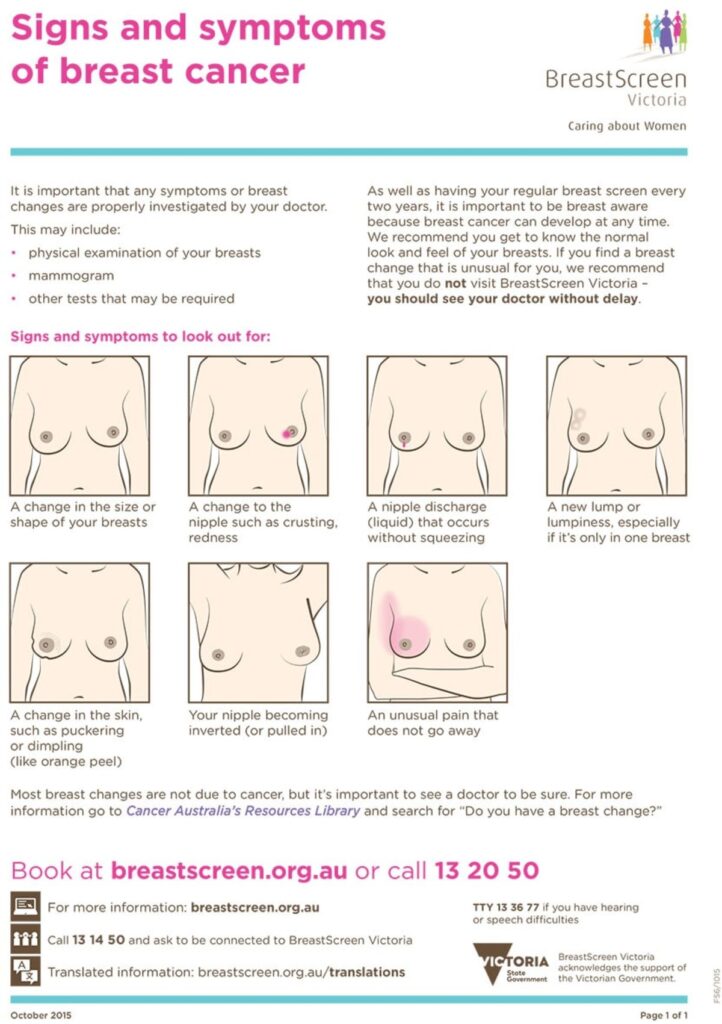
“It is quite difficult, particularly when you are younger because your breasts are kind of lumpy anyway,” she said. “The general advice is check so you get to know what your own breasts feel like normally.”
She said women should look out for a new lump, a breast that feels different from the other side, one-sided pain, nipple changes, discharge, rashes or lumps under the armpit. All are worth raising with a GP.
Dr Dunlop said the armpit is particularly important, as the lymph nodes there are often one of the first places breast cancer can spread.
She also said women with a strong family history should be more proactive about checking in with their doctor, especially if relatives were diagnosed before the age of 50.
“For example, if your mum and your sister had breast cancer in their 40s, generally you should see a GP to discuss a sort of plan,” Dr Dunlop said.
While routine free mammograms are offered through BreastScreen Victoria from age 40, Dr Dunlop said younger women with symptoms are more likely to be referred for an ultrasound, as younger breast tissue is denser and can make mammograms harder to read.
She said BreastScreen Victoria is the best place to start for reliable information, including guidance on symptoms and how to check for abnormalities.
For more information, visit breastscreen.org.au
Share


Related Articles

Time to dust ’em old boots
LIKE it or loath it, you simply can’t underestimate the…
The deadpan comic winning over Australian audiences
GEELONG audiences are in for a stellar night of comedy…