A quarter of Geelong feels lonely, report finds
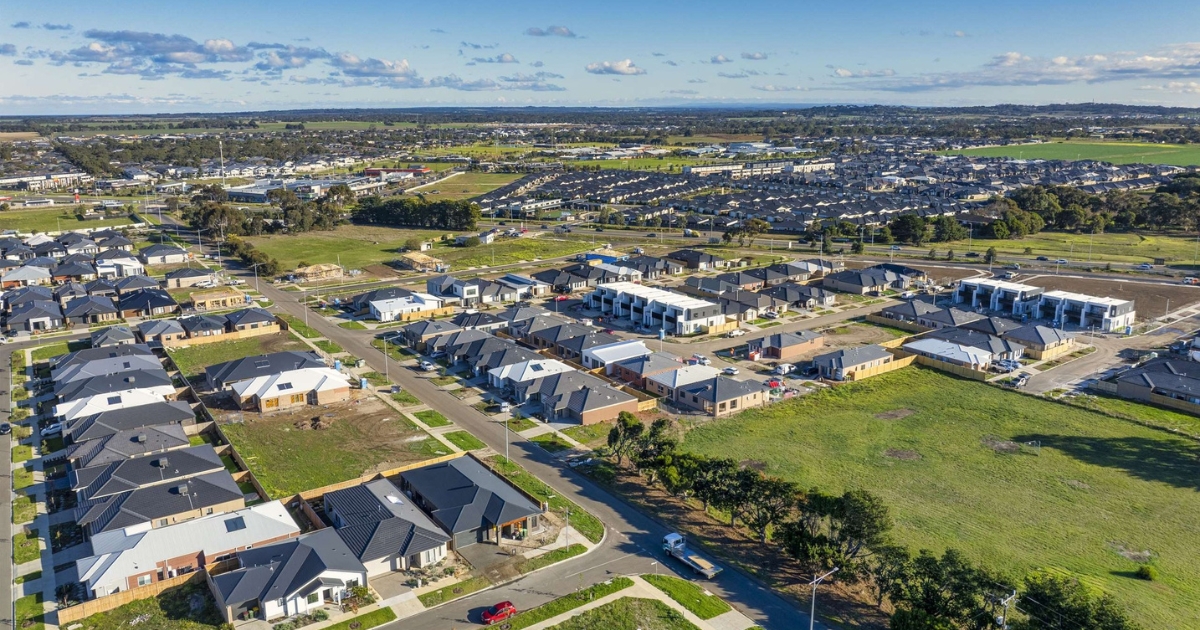
Commissioned by Geelong's Social Inclusion Action Group, the needs analysis found some people in Geelong face a higher risk of loneliness and exclusion, with some experiencing multiple challenges. Photo: City of Greater Geelong.


ABOUT a quarter of Geelong’s residents feel lonely, according to a new report, but an action group has put together proposals to create a community where everyone feels safe, welcome, and connected.
Local organisations and community groups working on inclusion have been invited to the official launch of the Belonging in Geelong: A Social Inclusion Needs Analysis, which will take place later today in Hamlyn Heights.
Commissioned by Geelong’s Social Inclusion Action Group (SIAG), the needs analysis found some people in Geelong face a higher risk of loneliness and exclusion, with some experiencing multiple challenges.
These include 18 to 24 year olds (60 per cent reported feeling lonely; the highest among all age groups), people experiencing severe psychological distress (77 per cent), and people with a disability (61 per cent).
Where people live also matters: 46 per cent of people in Corio, Norlane and North Shore feel lonely, with Armstrong Creek not far behind at 42 per cent.
Several factors stop people from feeling included and welcome, such as transport access, rising cost of living pressures, inaccessible facilities, stigma and discrimination, lack of internet access – 15.8 per cent of houses in Greater Geelong do not have an internet connection – and unreliable programs.
The report identifies a range of supports in response, such as affordable housing, reliable public transport, action on discrimination, programs designed for local needs and free or low-cost programs.
The research will guide City of Greater Geelong services, support advocacy for funding and help build partnerships with health, wellbeing and social inclusion organisations.
The SIAG made six recommendations to create a more connected Greater Geelong. These include investing in long-term programs and proven initiatives, not short-term fixes; making information about local connection opportunities easy to find, in simple and accessible formats; and co-designing programs with users and including diverse voices in decision-making.
Ahead of the report’s launch, Geelong mayor Stretch Kontelj said belonging needed to be part of everyday life.
“It’s unacceptable that 25 per cent of our residents feel lonely, with even higher rates for specific groups,” he said.
“Barriers to belonging can compound and further isolate these communities.
“Social exclusion is preventable. We know that when people feel included, their health and wellbeing improve and the community is stronger.”
Share


Related Articles
Molly Smale knows the system – now she has helped change it
Three Geelong locals have used their firsthand experience of the…
Free V/Line travel after 24-hour rail shutdown: here’s when
Two days of free V/Line travel have been announced for…