An industrial vision by the sea: inside Anglesea’s warehouse-inspired icon
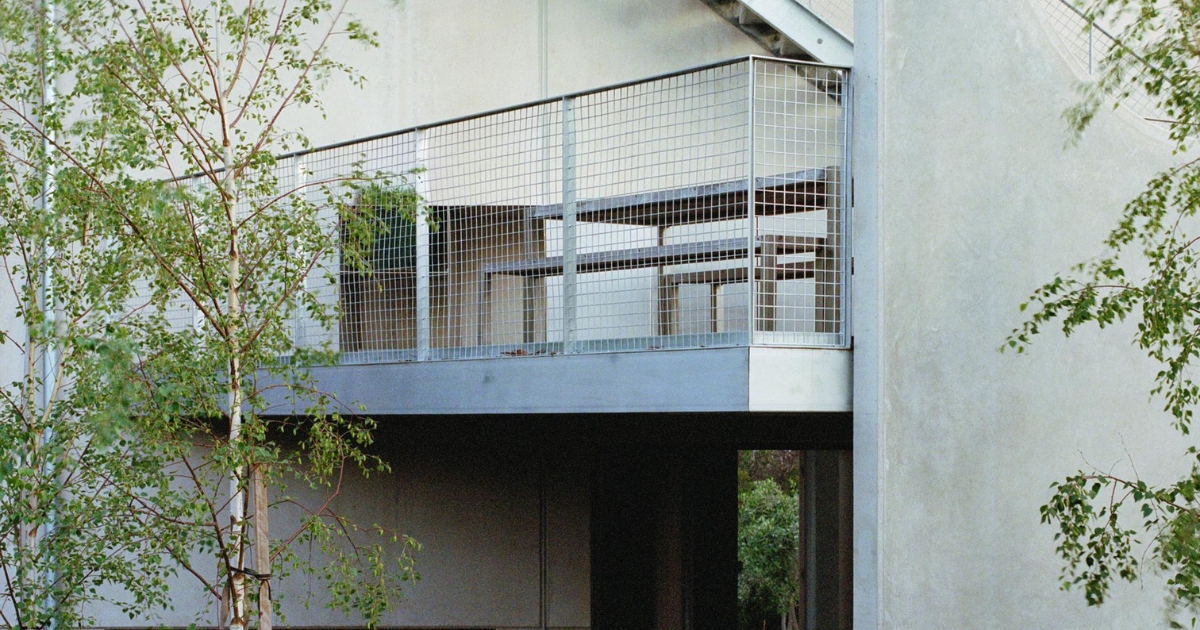
Designed by architect Kirsten Thompson in the late 1990s, the striking concrete home was conceived as "a warehouse on the beach". Photos: Rory Gardiner.


FOR more than two decades, an angular concrete beach house in Anglesea has intrigued locals with its industrial design and striking presence in the coastal landscape.
The building was designed in the late 1990s by award-winning Australian architect Kirsten Thompson, with the brief to create a coastal escape with the feel of “a warehouse on the beach”.
“We were attracted to the raw concrete style as it offered a contemporary and practical aesthetic for a beach house,” the client said.
Now, following a renovation by Lovell Burton Architects, the house has been recognised in the Australian Institute of Architects’ 2026 National Architecture Awards program.
The owners engaged the Melbourne-based practice to adapt the home for an expanding family while preserving the qualities that had drawn them to the design in the first place.
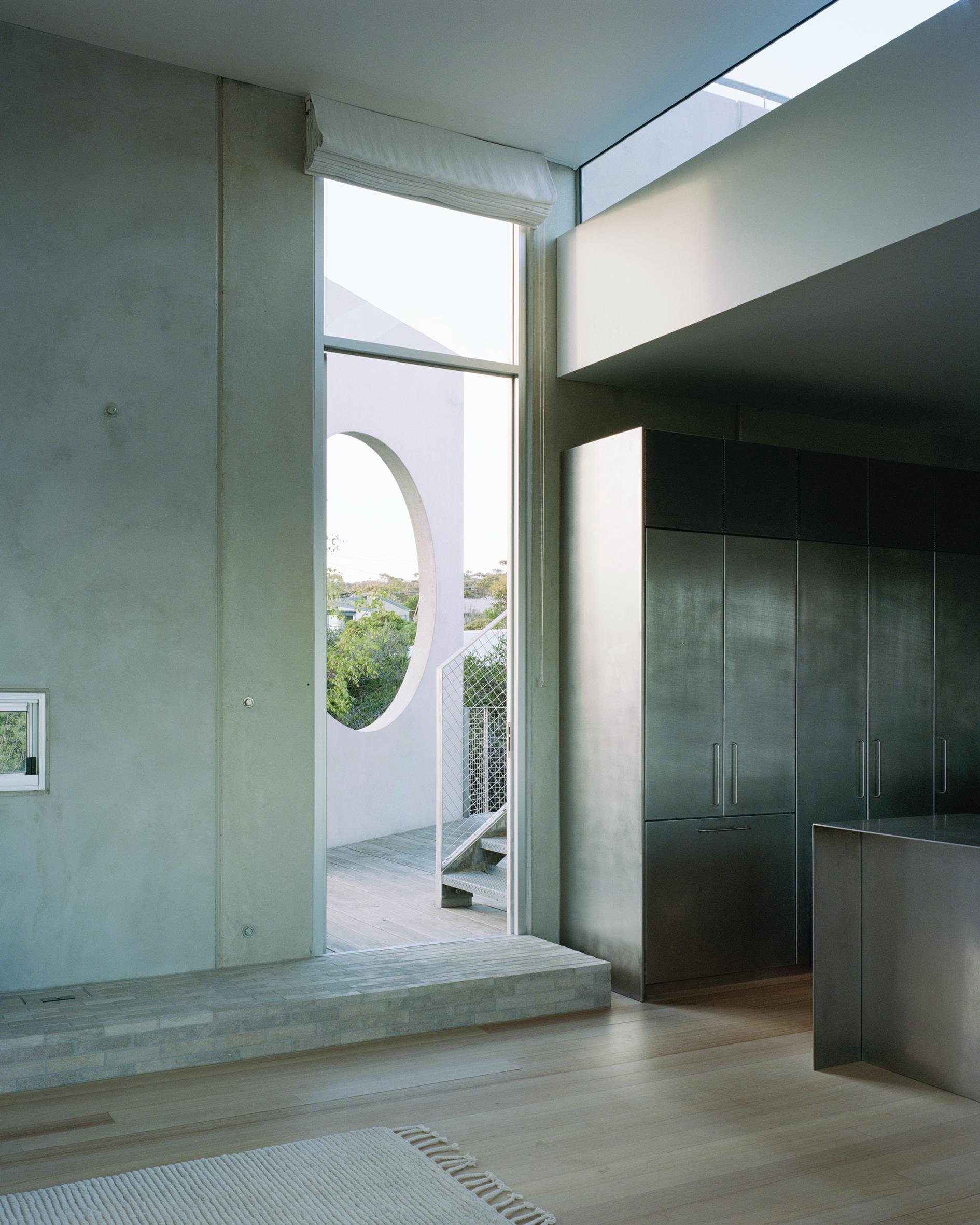
“We have always loved the house, but we felt it needed more usable space for a growing and extended family,” the client said.
Project architect Stephanie Burton, who grew up on the Surf Coast, said the practice had long admired Kirsten Thompson’s work and relished the opportunity to build on the original design.
“We endeavoured to keep as much of the existing building as we could, in the sense of not wanting to be wasteful and maintain the existing qualities of the original house,” Burton said.
The home’s angular concrete-and-steel form remains a defining feature, although the renovation introduced subtle changes to soften the material palette and improve liveability.
While concrete is often viewed as a cold material, Burton said a sandblasted finish helped soften the walls.
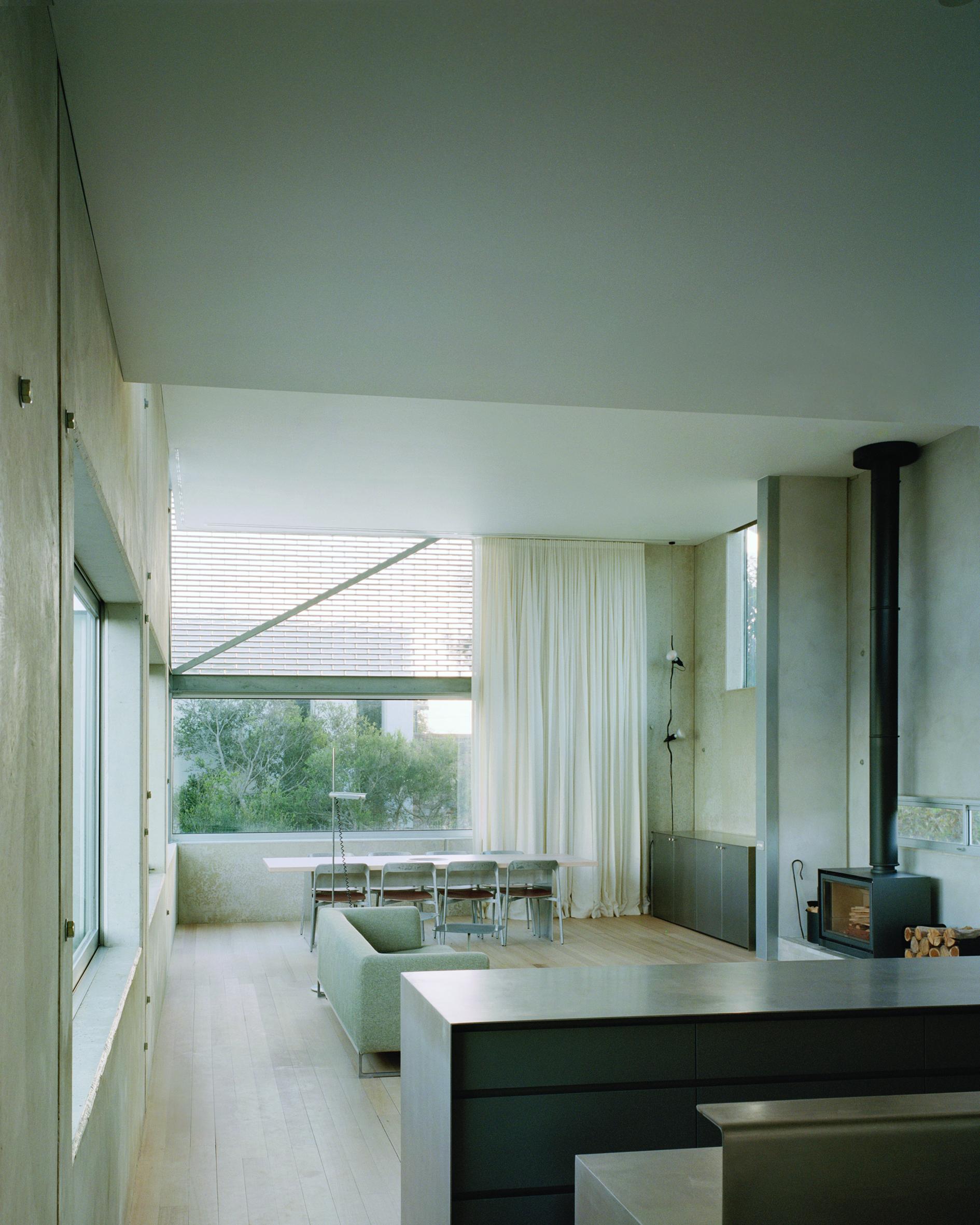
“There’s a softness to the colour and tone of the concrete,” she said, noting the similarity in colour and texture to the sand of nearby beaches.
“In terms of materials, it is balancing a cold material like concrete against warmer materials such as timber,” Burton said.
Warm-toned limestone and timber flooring were introduced throughout parts of the house, while expansive windows draw in the colours and textures of the surrounding landscape.
Additional joinery was also incorporated to improve functionality while maintaining the home’s pared-back aesthetic.
“We designed the joinery as furniture items to enhance the perception of space and to feel each component separately,” Burton said. “A wall is a wall and a piece of joinery is a piece of joinery.
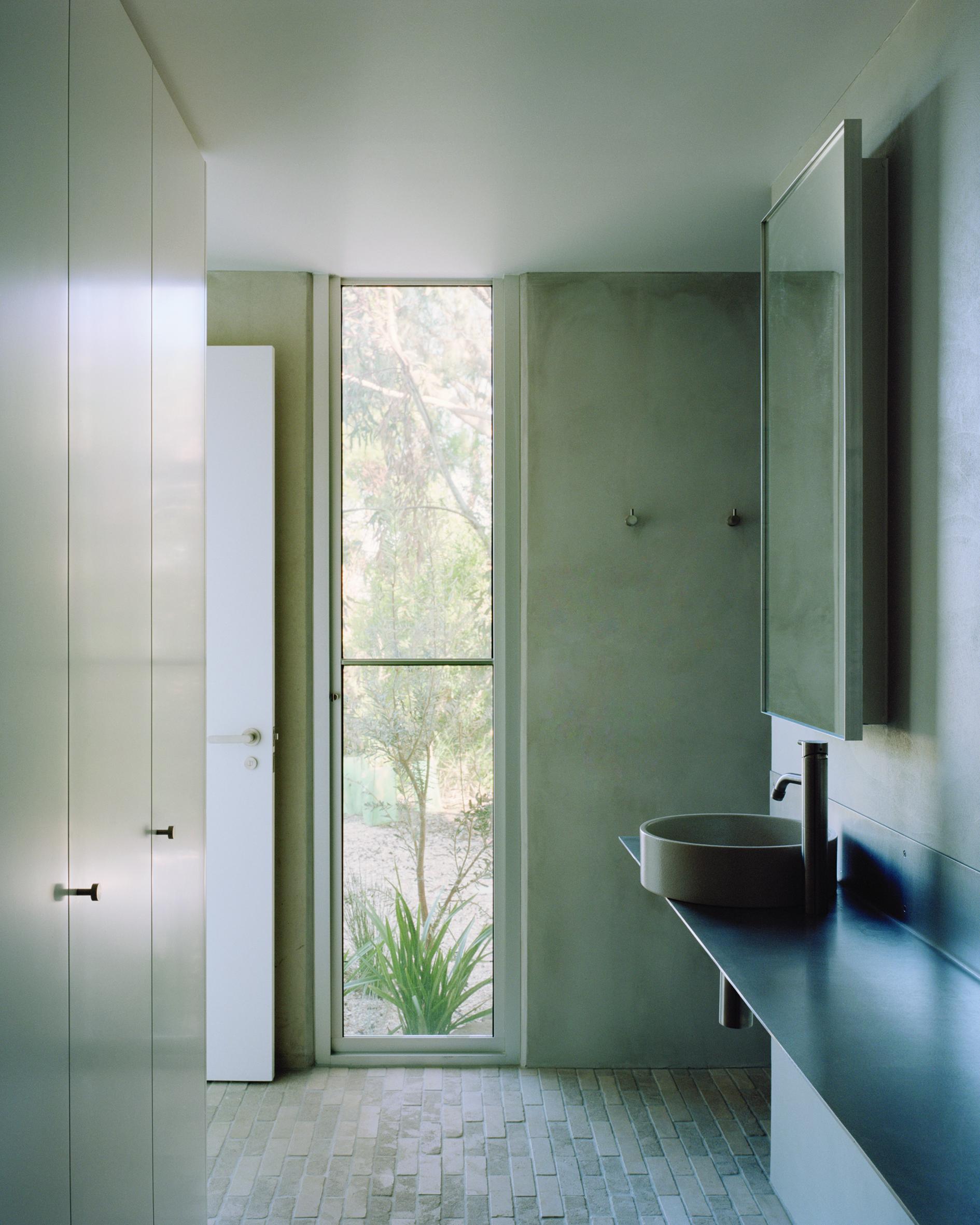
“This was to enhance the elemental qualities of the building.”
While remaining true to the original character of the home, the renovation also introduced several contemporary elements, including a precast external wall featuring a circular opening that contrasts with the predominantly angular exterior.
“The circle was deliberately different, while framing the view back to the coastal scrub,” Burton said.
While the home needed to accommodate a growing family, Burton said the renovation was guided by two defining qualities of the original design.
“The existing home had a narrow floor plan; there was a porosity,” she said. “If you stood on one side of the house you could see through it.
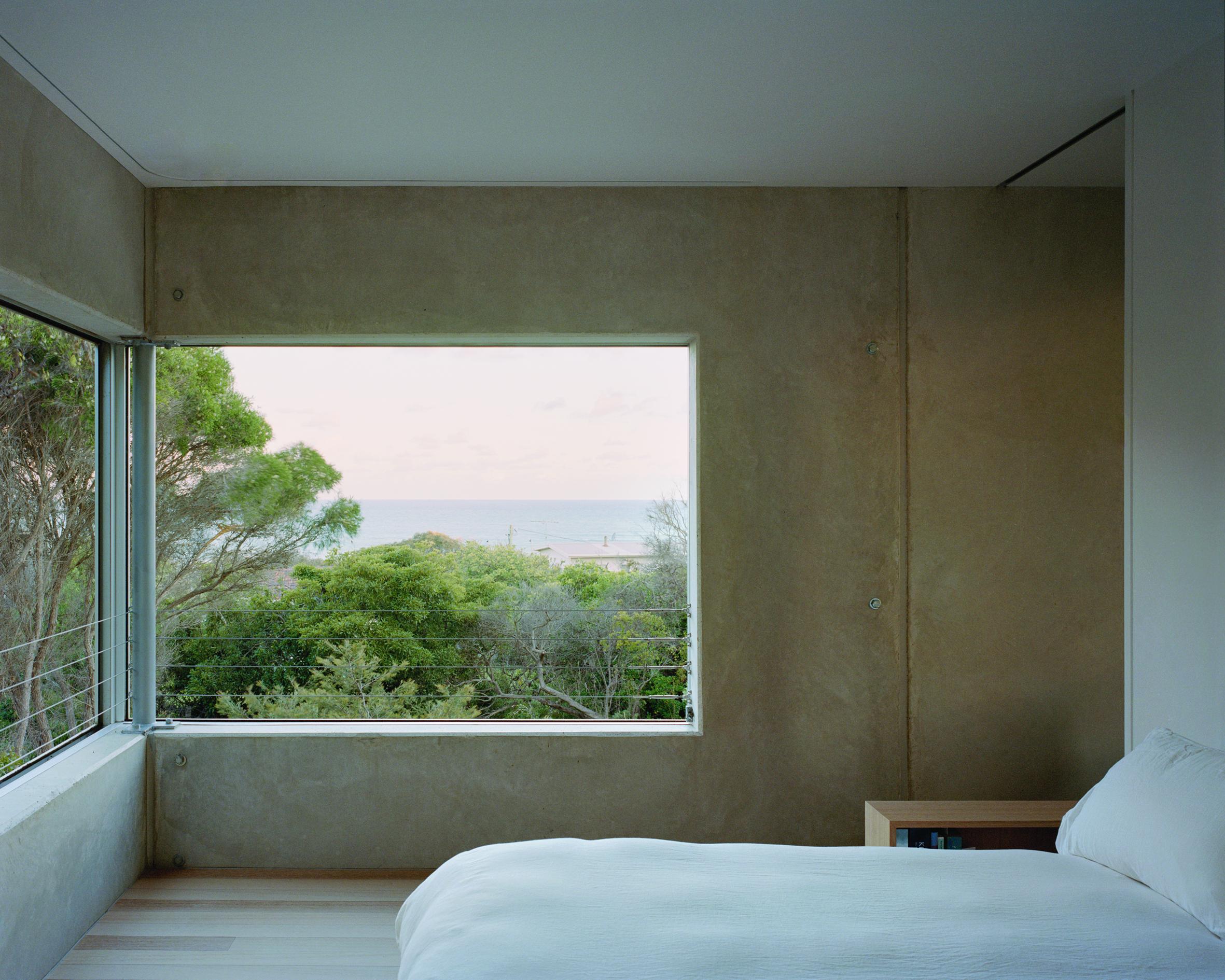
“When you are in the living space the narrowness meant you can always look to both sides, so you feel very much part of the landscape.”
The second feature was the home’s easterly aspect towards the ocean, something Burton said was rare in coastal homes.
“The position of the house itself was tilted ever so slightly off centre and that gave you this perception that your block was bigger and opened the view to the ocean in a really beautiful way,” she said.
Preserving those qualities while creating additional space required a careful reworking of the home’s layout.
Part of the solution involved relocating a deck that sat within the building footprint, allowing the house itself to expand while retaining its connection to the surrounding landscape.
Internal spaces were also thoughtfully rearranged to make better use of the existing structure.
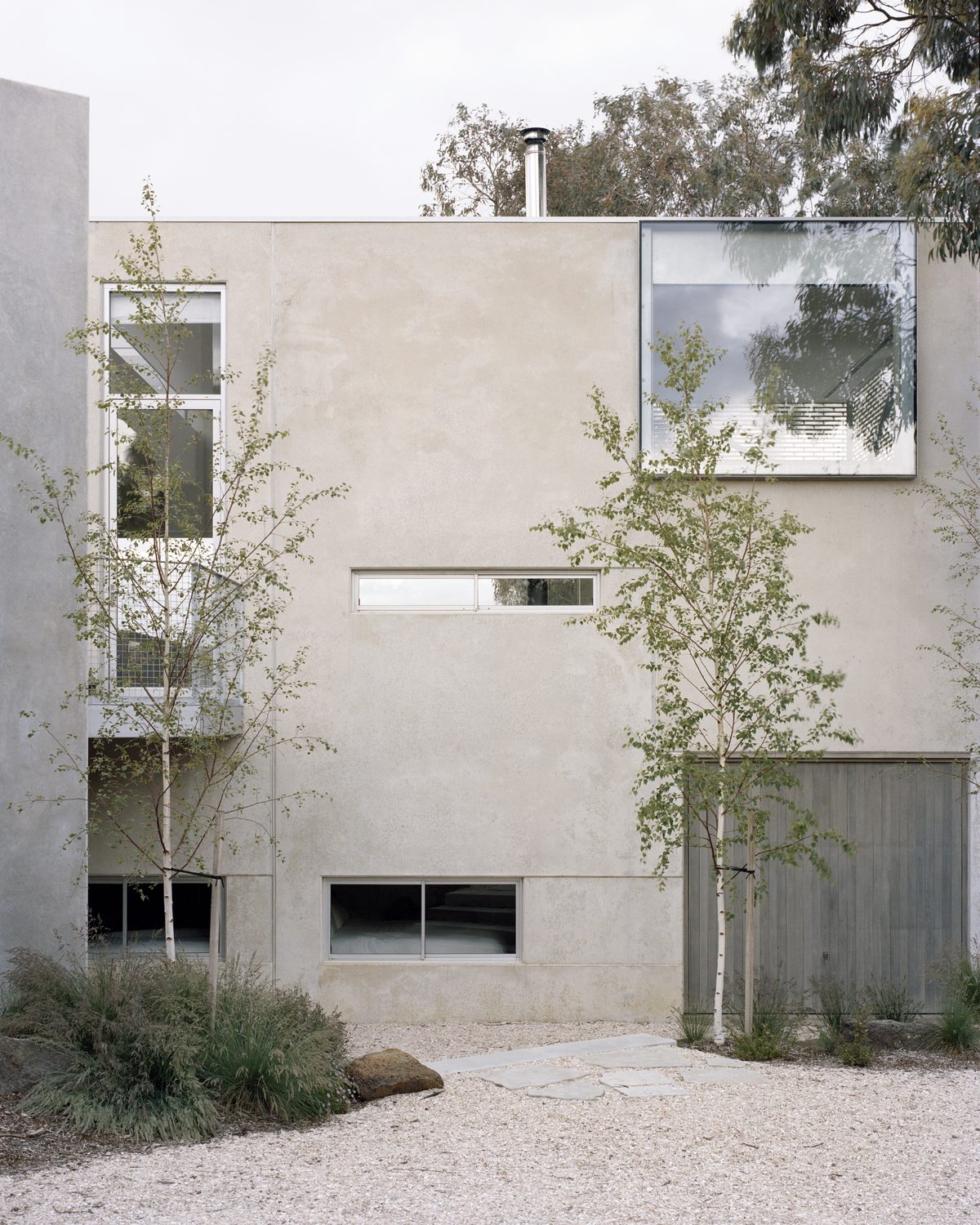
“The key design move was to relocate the deck that was previously internalised to outside the footprint of existing building,” Burton said.
“We endeavoured to find an approach that was more about gently modifying and rearranging spaces within the existing footprint of the building to get them what they needed.”
The client said the renovation had delivered exactly what the family hoped for.
“The new spaces that have been created provide a comfortable, beautiful and serene atmosphere, while at the same time maintaining the original warehouse architectural design and feel which we felt was important,” the client said.
Burton said the project reflected the firm’s longstanding interest in working within coastal environments.
“A lot of our work has been in coastal locations and we are drawn to working in these sensitive landscapes,” she said.
The winners of this year’s Victorian Architecture Awards will be announced on 19 June.
Share


Related Articles
Stuart Coffield invites travellers to a world of cruising in 2027
From cherry blossoms in Japan to glaciers in Alaska and…
Bob Smith turns 80 next year – and is still competing nationally
FOR Bob Smith, age is just a number. The Jan…