City racks up completed capital works
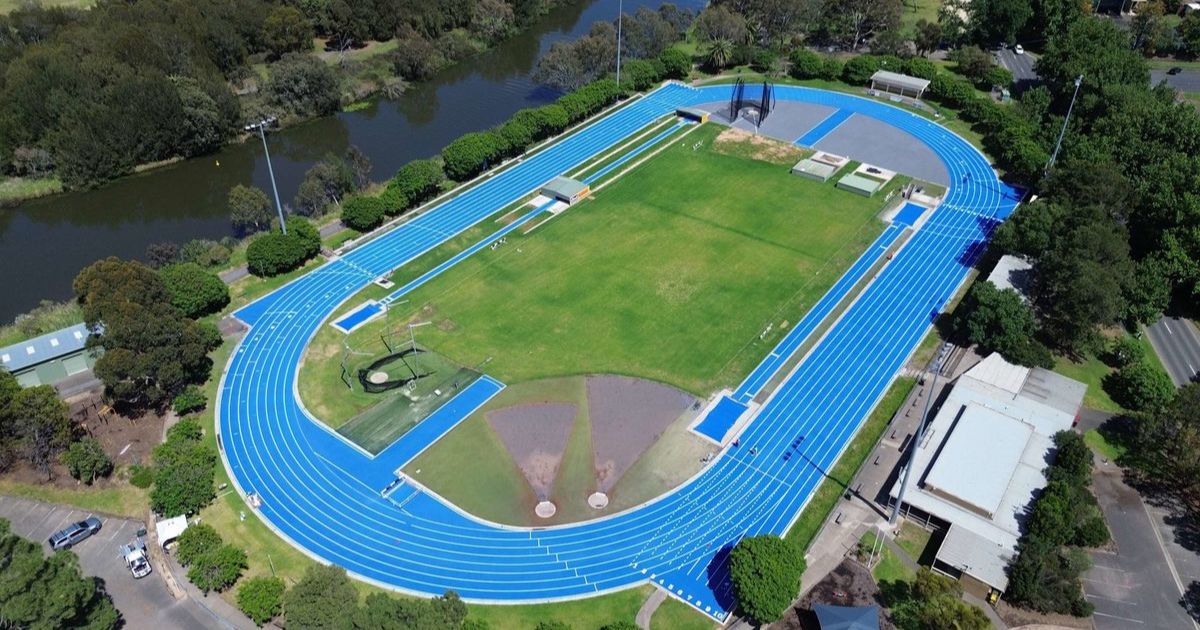
Landy Field athletics track upgrades were one of the major captital works completed by the City of Greater Geelong in the 2025-26 financial year. Photo: SUPPLIED


THE City of Greater Geelong completed 22 capital works in the previous financial year, according to the city’s annual report.
In 2024-25, the city allocated $207.7 million to capital works, representing more than a third of its total budget expenditure, driving improvements in community facilities, transport connections and recreation spaces.
The 22 completed projects range in cost from the Baanip Boulevard/Boundary Road intersection in Mount Duneed ($7.6 million), the Rippleside Inclusive Playspace ($5.115 million) and Landy Field athletics track upgrades ($1.9 million) to the Wallington Reserve Cricket Practice Facility ($400,000) and the Geelong Youth Hub ($340,000).
There are six projects listed as under construction, including the Horseshoe Bend Community Hub ($15.79 million), LED lighting and smart controls throughout the municpality ($13.48 million) and Ocean Grove Principal Pedestrian Network ($10 million).
Another 23 projects are listed as having started the design phase, the biggest of which is the $40 million Stage 2 development of the North Bellarine Aquatic Centre.
Geelong mayor Stretch Kontelj said investing in new builds, redevelopments and improvements provided a clear path for the future.
“Our focus is on delivering the infrastructure that keeps pace with our rapid growth,” he said.
“Every new library, playspace and sports facility helps create stronger neighbourhoods and brings people together.
“The report acknowledges the completed projects, and recognises more construction and planning under way.”
The report also detailed the city’s commitment to sustainable growth and environmental responsibility through its day-to-day residential services.
By the numbers, this included:
201,800 residential bins emptied weekly
34,230 hard waste collections
55.7 kilometres of road resurfaced
35,000 maintenance activities completed across roads, paths, signage and drainage
180,000 urban trees managed
14,000 tonnes of compost distributed to more than 40 local businesses and farms.
The city’s executive director of city infrastructure, James Stirton, said the data reflected the city’s continued efforts to meet community expectations and needs.
“These numbers demonstrate the scale, variety and consistency of our work,” he said.
“From a new landmark like Biyal-a [Armstrong Creek Library] to a Thursday night bin collection, it’s all important.”
“Every project and piece of work helps to build a thriving community.”
Share


Related Articles
Jess Gallagher reflects on local roots ahead of Commonwealth Games return
JESS Gallagher always loved sport. The Geelong-born para-athlete cherishes the…
Molly Smale knows the system – now she has helped change it
Three Geelong locals have used their firsthand experience of the…