Climate analysis links Otway fires to human-driven climate change
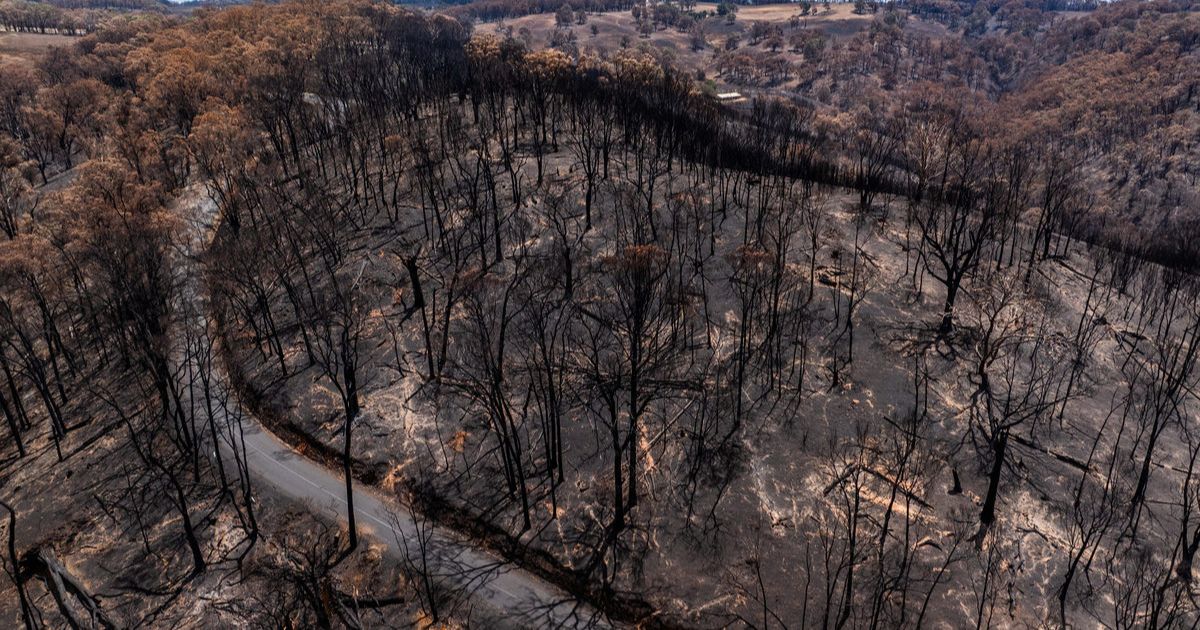
Footage collected by Greenpeace campaigners and a photographer depicts the extensive damage of the Otway bushfire. Photo: PAUL HILTON / EARTH TREE IMAGES


NEW footage collected by Greenpeace depicts the extensive damage of the Otway bushfires, while new research has sparked concern for the potential offshore gas operations recently opened in the Otway and Gippsland Basins.
According to international analysis by World Weather Attribution, the South-East Australian heatwave and bushfires in early January were made approximately five times more likely due to human influence on climate change.
Surf Coast local and head of climate and energy at Greenpeace Australia Pacific, Joe Rafalowicz, said the contrast between the fires and the offshore gas operations highlighted the cost of continued fossil fuel expansion.
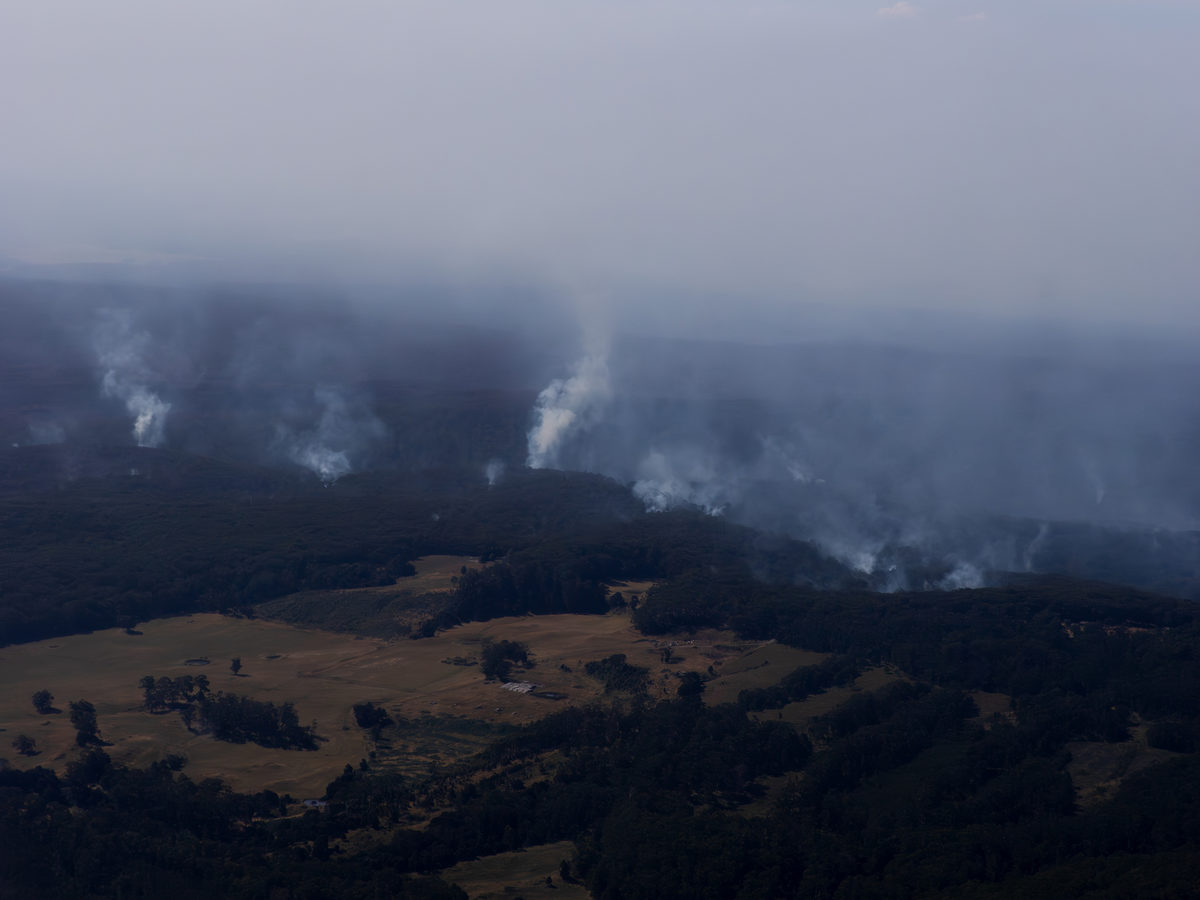
“What struck me most flying over the Otways during the fires – seeing scorched forest, blackened and dead trees with fires still smouldering nearby, followed by the shock of industrial-scale gas drilling equipment emerging from the ocean – was the price we are all paying for the bottomless greed of fossil fuel corporations.
“Most people will never see the gas industry’s polluting infrastructure out in the ocean – but the presence of a drill rig bigger than a soccer field, like the one we photographed, should be ringing alarm bells across the country.”
Rafalowicz said the risks associated with new offshore gas projects extend beyond ocean ecosystems.
“Pollution from burning the gas fuels the fires, storms, and floods that destroy lives, decimate wildlife, cost our economy billions, and force communities to rebuild time and time again,” he said.
Drew McPherson, national campaigns director at ocean protection group Surfrider, said he was also alarmed by the scale of gas activity along the coast.
“It was shocking to see the industry in such beautifully raw ecosystems that up until very recently were thriving, now there’s one of the world’s biggest drills ripping through the seabed.
“We don’t need more gas, it’s a risk for our oceans, sea life and coastal communities.”
The Bureau of Meteorology has warned of continued heatwave conditions, with temperatures in some Victorian towns nearing 50 degrees on Tuesday this week.
Rafalowicz said the bushfires around Australia should act as a “wake up call” for the federal government.
“[The government] should immediately commit to stopping gas expansion and show it is committed to protecting our communities.
“This summer, Australia is burning. Again”
Share


Related Articles

Queenscliff scores Jessica Mauboy pop-up performance
Jessica Mauboy will headline a surprise free live music event…
Government lifts teacher pay offer in bid to stop planned strike
The state government has increased its pay offer to public…