Community centre supports women overcoming addiction
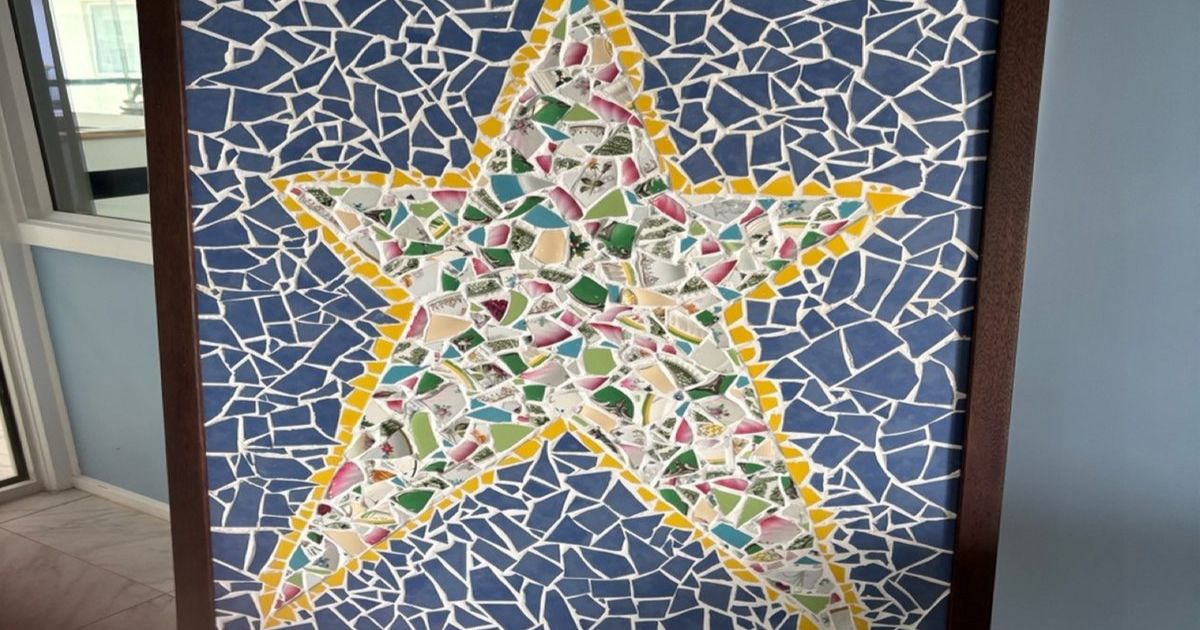
Artwork created in 2018 by the women at House of Hope. Photos: SUPPLIED


IN AUSTRALIA, one in six people presently have a drug addiction. This includes both legal and illegal drugs and prescription medications.
One in 10 people have an alcohol addiction and this is on the rise, according to the Department of Health. This means that there are more than 2.8 million people suffering from addiction in Australia today.
Addiction is not a topic most people want to talk about, yet it is one that will touch many people’s lives – family, friends and neighbours alike.
There is no discrimination based on gender, race or location when it comes to addiction. Several factors contribute, including mental health issues, social and economic conditions, childhood trauma and abuse, and domestic violence.
For many, events such as Christmas only increase instances of family violence, which can be fuelled by drugs and alcohol.
House of Hope, a Christian-based not-for-profit centre at Mount Duneed, is making a real difference for women suffering from addiction.
At the community-based residential program, women commit to a six month stay to support their sobriety.
“At House of Hope, a big part of the healing process is helping women develop healthy new habits that support building their self-esteem,” director Caroline Lytzki said.
“These women have suffered and are broken. Our structured program includes daily exercise, nutrition, creative expression, counselling and teamwork.”
It was a real community effort getting House of Hope off the ground. Non-profit Foundation 61 founder and CEO Rob Lytzki first developed a program for drug- and alcohol-affected men 15 years ago, and with wife Caroline, saw an urgent need for a space for women too.
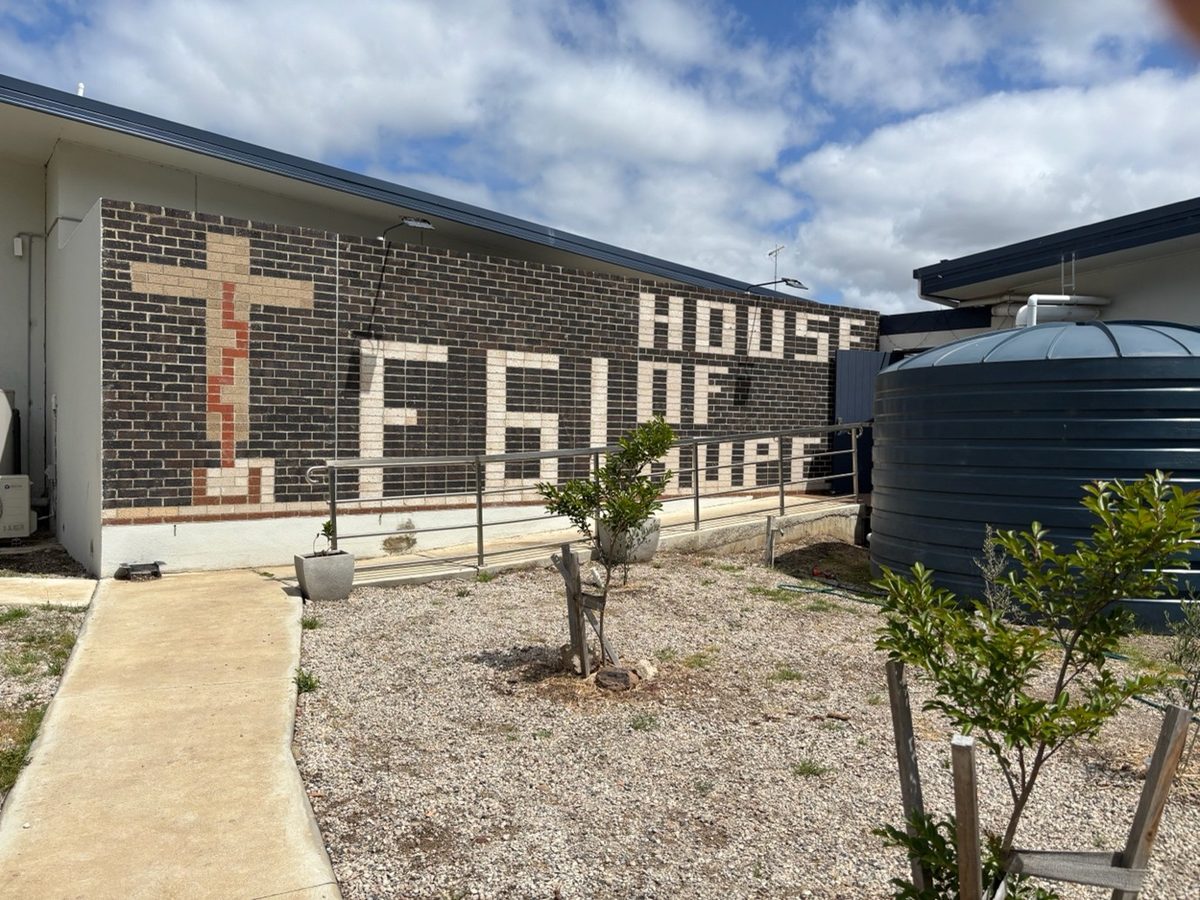
“With some federal grant funding, fundraising, support from local businesses and trades, House of Hope eventually came to fruition five years ago,” Lytzki said.
“The residential house accommodates just six women for six months and is available to women on Centerlink benefits who pay a percentage of their income while here.”
Traditional private institutional rehabilitation centres usually offer a 28 day program and cost in excess of $30,000 without private health insurance. While these services are needed, it is unaffordable for many and provides only a band-aid solution. Real lifestyle changes have to be made.
“More than 30 volunteers assist residents with exercise – yoga and tai chi, growing their own food, cooking, attending doctor’s and legal appointments, and learning new skills to develop healthy new habits,” Lytzki said.
In recent years, there has been a shift in the way addiction treatment is delivered. As Australia battles an addiction crisis, community run residential settings such as this one are proving to be highly effective and are on the rise.
BY FRANCES GRIFFITHS
Share


Related Articles

Geelong patrols ramp up for school holidays
Shoppers visiting Geelong’s major retail precincts during the winter school…
How bad footy tips became a charity fundraising challenge
A GEELONG real estate agent has already racked up 50km…