Divestment plan promises to protect fort’s heritage values
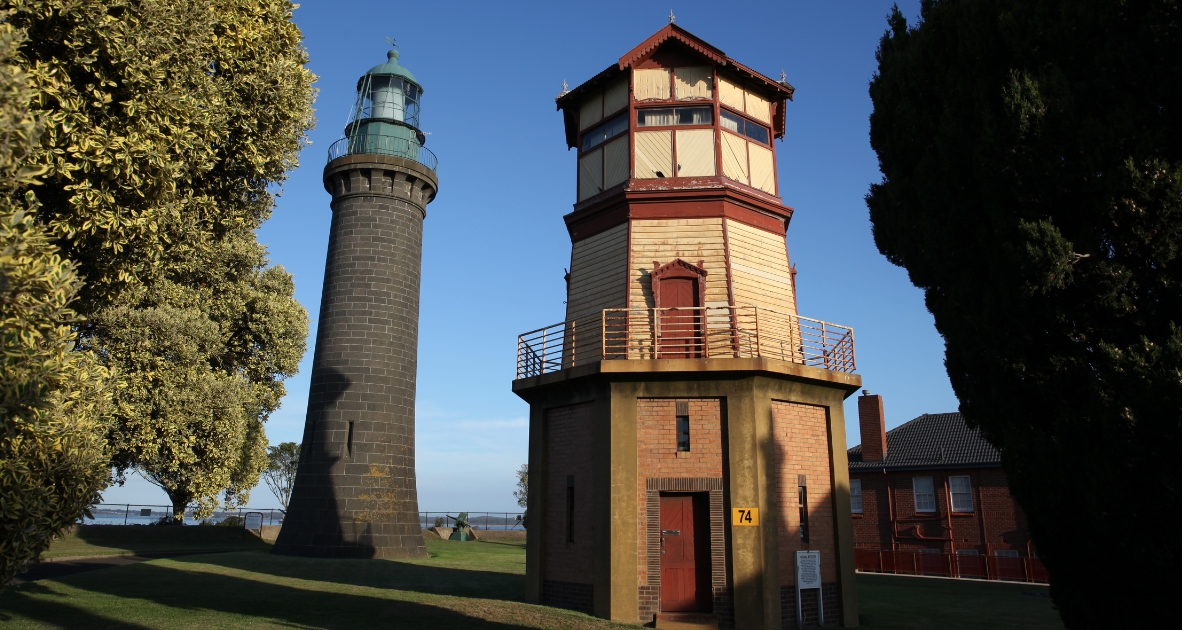
A Commonwealth Heritage Listing protects 93 per cent of the buildings and features of Fort Queenscliff. Photo: James Taylor.


The federal government has pledged to protect the historical values of Fort Queenscliff when it it is divested but the site no longer has any military or strategic value to Australia.
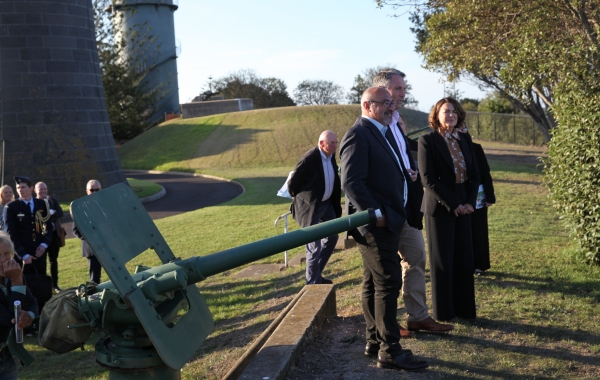
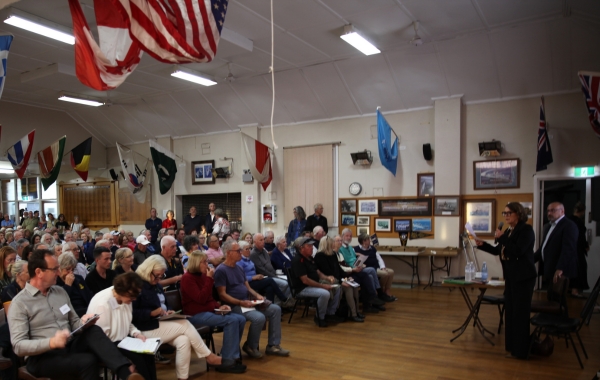
Deputy prime minister, and defence minister, Richard Marles, assistant defence minister, Peter Khalil, and Corangamite federal member, Libby Coker toured the fort yesterday with members of the Department of Defence, hosted a community stakeholder roundtable with about 20 local groups and organisations, and also staged a community engagement session about the divestment of the fort and land on the western side of Swan Island at the Queenscliff-Point Lonsdale RSL open to the public.
The two Queenscliff locations are among 64 sites across Australia listed for divestment in the Defence Estate Audit.
According to a map presented at the community engagement session, a Commonwealth Heritage Listing for Fort Queenscliff protects 27 of its 30 distinct buildings and features, including the black lighthouse, gun emplacements, perimeter walls, the keep, the quartermaster’s store and the signal tower.
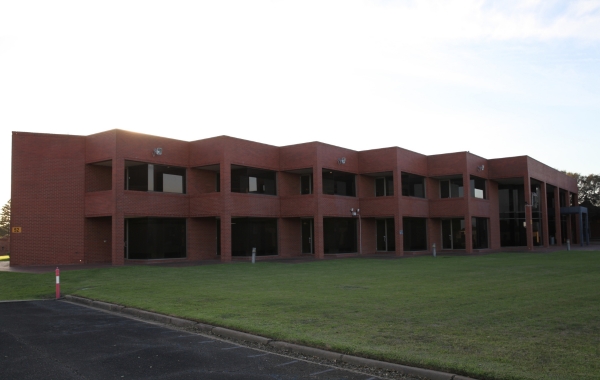
The three sites not covered include a 1982 building presently being used by the Department of Defence for archives and record management, but these functions are being digitised.
There has been some local opposition to the divestment plan since it was announced in February, particularly regarding Fort Queenscliff.
Speaking at the community engagement session, Coker said the heritage listing covered 93 per cent of the fort, and this protection would not change.
“Like many in our community, I deeply value Fort Queenscliff.
“For more than 160 years, it has been central to Queenscliff’s story – from its role in global conflicts to its place in our local life, and I am committed to ensuring it continues to play an important role in our region’s future.”
Khalil said the Defence estate is the largest land holding in Australia, covering 3.8 million hectares across 2,000 sites.
He said the federal government was spending hundreds of thousands of dollars every year to maintain and sustain sites not being used by Defence, and “some tough decisions” had to be made.
“There are sites and bases that are beautiful, that have sprawling golf courses, tennis courts, beautiful buildings and all the rest of it, and have great historical importance to our nation and military history,” he said.
“But they are also not at a stage or a state that is providing the capability for our modern current force and our future force.
“There is not a capability at Fort Queenscliff that is being used by our current or future force. That’s just a fact.”
In response to a question about the implications of potential foreign ownership of the fort, Khalil said Australia faced challenges in several domains, including cybersecurity and space.
“The work that we are doing to defend this nation is not about defending the approaches from a potential armada that’s going to be coming up the heads here,” he said.
“That’s just not going to happen.
“That’s not the way modern warfare or conflict is playing out.”
Part of the intent of the divestment, Khalil said, was to open up those sites for better public access.
“As far as I can understand, Fort Queenscliff’s only open on a Monday and Friday for a couple of hours and a couple times on the weekend,” he said.
He said Fort Queenscliff was one of the more complex sites being divested, and a loose timeframe of two to three years had been set to complete the process.
Share


Related Articles

Jess Gallagher reflects on local roots ahead of Commonwealth Games return
JESS Gallagher always loved sport. The Geelong-born para-athlete cherishes the…
Molly Smale knows the system – now she has helped change it
Three Geelong locals have used their firsthand experience of the…