Rents bite as more households fall into housing stress
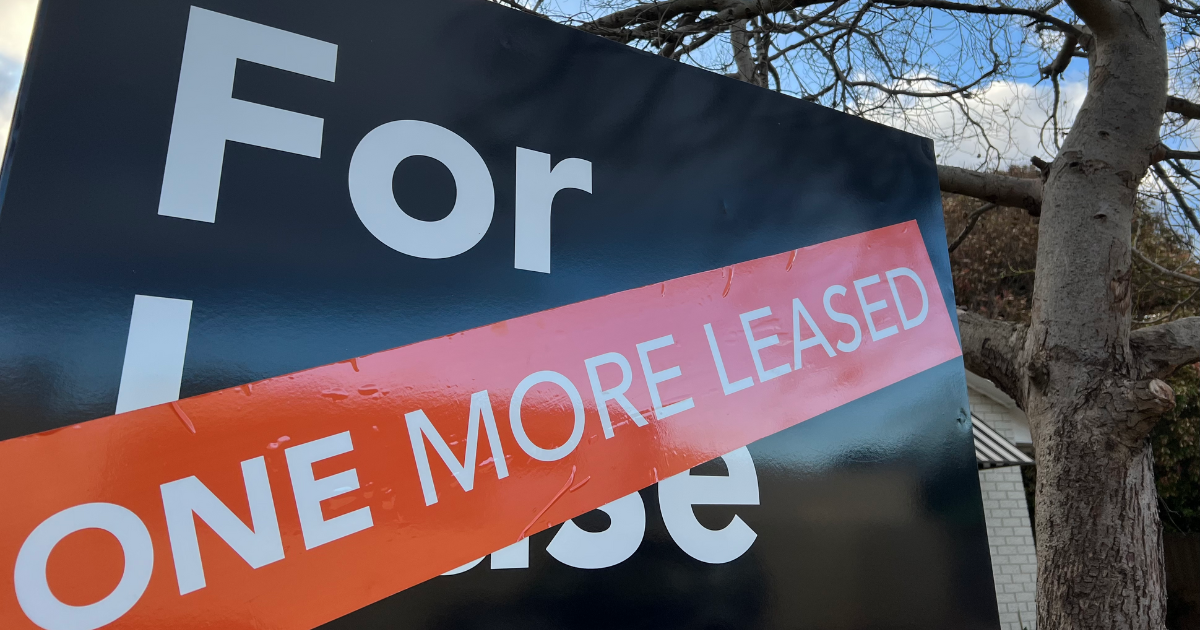
Rental affordability has hit record lows across coastal and regional communities. Photo: ELLIE CLARINGBOLD


RENTAL affordability across regional Victoria has fallen to its lowest level on record, with coastal communities on the Surf Coast and Bellarine among the hardest hit.
The 11th annual Rental Affordability Index, released on Monday by National Shelter and SGS Economics and Planning, showed affordability has declined by a further 3 per cent, on average, across regional Victoria in the past year.
The average renting household, earning about $87,300 annually, now spends 28 per cent of its income on a median rental. Housing is widely considered unaffordable when rental costs exceed 30 per cent of the household income.
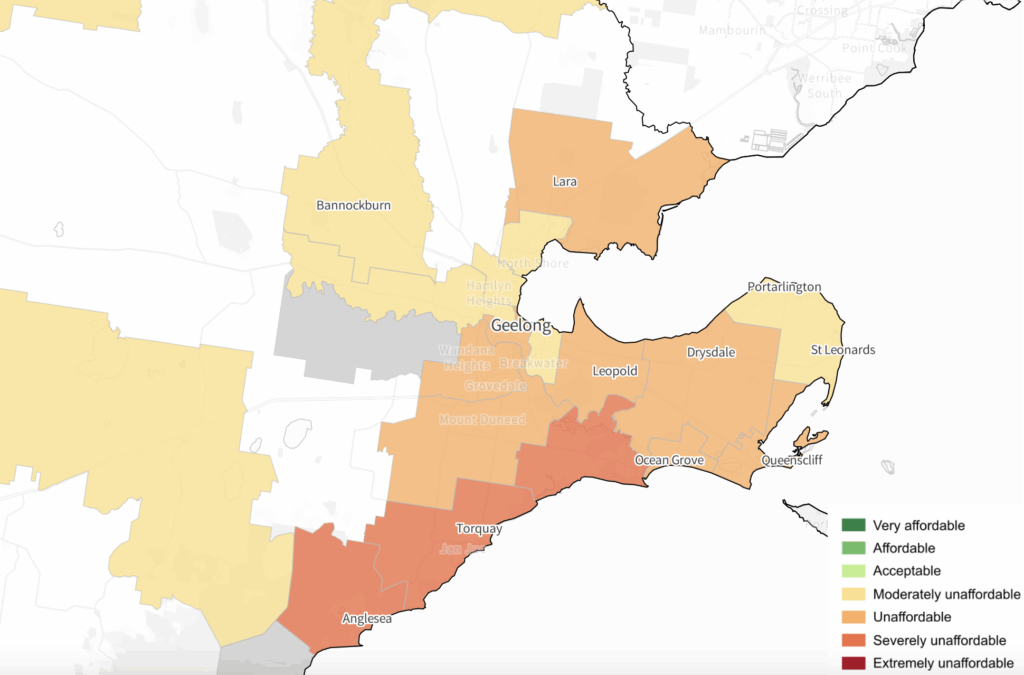
Across the Surf Coast and Bellarine, rents have been pushed deep into stress categories.
In Torquay, Anglesea and Barwon Heads, rents are considered “severely unaffordable”, with the average household now spending between 38 and 60 per cent of its income on rent.
Rents are also considered “unaffordable” for residents in Ocean Grove and Queenscliff, where the average household is also spending more than 30 per cent of its income on rent.
The pressure extends across Greater Geelong, where areas including Lara, Armstrong Creek, Belmont, central Geelong and Drysdale have similarly been assessed as “unaffordable”.
SGS Economics and Planning principal, Ellen Witte, said affordability across regional Victoria had declined sharply since 2020, driven by outward migration from Melbourne, rising construction costs and a slower pace of new housing development.
“For a long time, regional Victoria has been seen as the pressure valve for Melbourne’s housing market, but that’s no longer the case,” she said.
“Coastal communities such as Warrnambool and Apollo Bay, which offered ‘acceptable’ rents pre-2020 are now ‘unaffordable’, with median rents consuming over 30 per cent of the average income.”
Tenants Victoria chief executive Jennifer Beveridge said growing pressure on rental affordability was forcing workers to move further away from their communities.
“Our frontline services are reporting major concerns around housing affordability with demand rising from renters who need our help,” she said.
“We’re seeing more people on modest incomes, like teachers, emergency service workers and hospitality workers forced to move away from their jobs, families and support networks.”
The release of the latest index comes amid escalating concern about access to social and affordable housing in Geelong, where more than 5,000 households are currently on the priority waitlist.
At its October meeting, the City of Greater Geelong voted to dispose of two council-owned blocks in Bell Post Hill and Bell Park previously earmarked for social housing, a decision that exposed a deep divide within the council.
A block in Belmont, proposed for sale, will instead be retained for some social housing, while a social housing project will go ahead in Purnell Road in Corio.
Share


Related Articles

How bad footy tips became a charity fundraising challenge
A GEELONG real estate agent has already racked up 50km…
New training helps Geelong nurses identify and respond to family violence risk
NEW training has equipped maternal and child health nurses (MCHNs)…