The Digital Wallet Lifestyle: How Australians Are Living Cash-Free
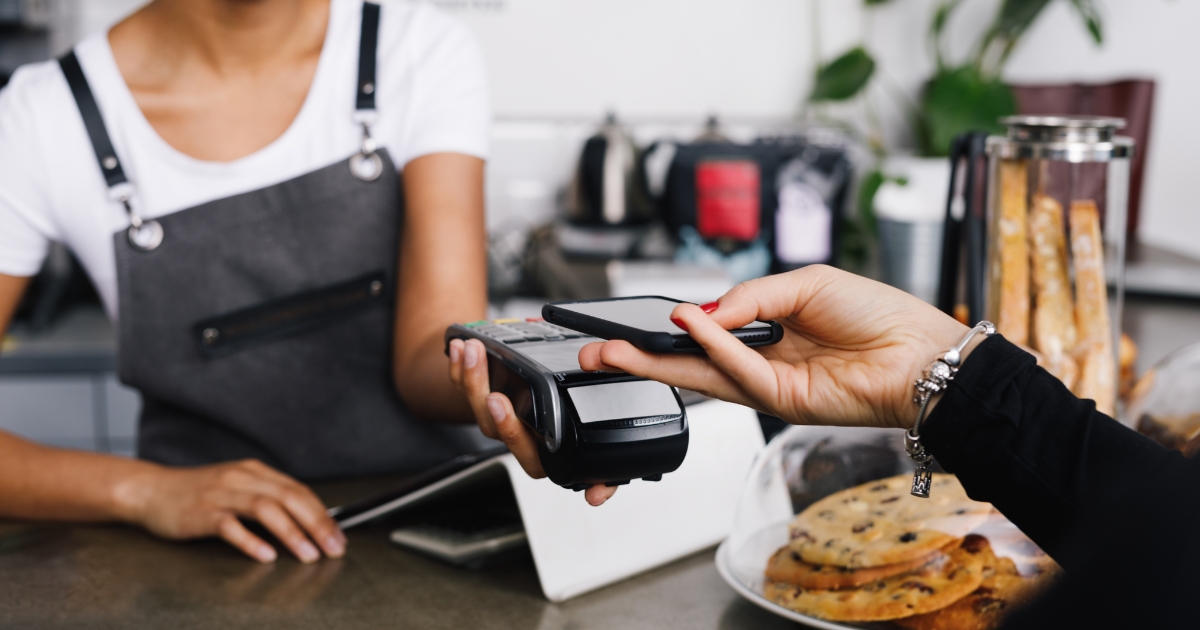
Digital wallets are transforming how Australians live, work, and pay in a fast-growing cash-free society.


Australia’s financial landscape has quietly undergone one of the fastest revolutions in the world. Once a country that relied on cheques, ATMs, and queues at the bank, it has now become a testbed for what a completely cashless society could look like. From cafés that only accept cards to tradies taking payments by phone tap, the digital wallet has evolved from novelty to norm — reshaping not just how Australians pay, but how they live.
The Rise of a Tap-and-Go Nation
In the early 2010s, contactless payments were seen as a curiosity. Today, “tap and go” is as Australian as flat whites and footy. Walk into any café in Melbourne, market in Sydney, or surf shop in Perth, and you’ll see the same quick flick of the wrist — Apple Watch, iPhone, or card — and a beep. Done.
This cultural shift didn’t happen by accident. Australia’s banking system was among the first to adopt near-field communication (NFC) standards across every major card network, long before the U.S. or Europe caught up. Add to that the country’s widespread smartphone ownership and a tech-savvy population, and the result is a perfect storm for digital payments.
By 2025, over 90% of in-person transactions in Australia are cashless, according to industry data. Coins and notes still exist, but more as relics of nostalgia than everyday necessity. For a new generation, cashless isn’t futuristic — it’s expected.
From Banks to Big Tech
Apple Pay, Google Pay, and Samsung Pay have done more than digitise wallets; they’ve fundamentally changed how Australians think about money. No longer hidden in leather folds, money now exists as a clean interface: a notification, a vibration, a swipe.
Banks, once gatekeepers of payment technology, have had to evolve quickly. Commonwealth Bank and Westpac now promote digital-first accounts that integrate seamlessly with wearables. Meanwhile, fintech startups such as Zip, Revolut, and Up are building experiences that feel less like banking and more like messaging — instant, conversational, and personal.
The effect goes beyond convenience. Digital wallets have created new financial behaviours. People are more likely to split bills on the spot, send money instantly between friends, or save digitally through round-ups and micro-investing tools. For younger Australians, the wallet isn’t just smaller — it’s smarter.
Crypto Joins the Conversation
Just as tap-and-go redefined everyday payments, crypto wallets have begun to rewrite what ownership means. Bitcoin, Ethereum, and stablecoins are no longer fringe experiments; they’re fast becoming parallel systems of value and exchange.
This is where Australia stands out. Unlike other countries, the line between “traditional” and “crypto” finance is beginning to blur. Crypto exchanges such as Swyftx and CoinSpot are household names, and many Australians hold digital coins right next to their debit cards on mobile apps.
What was once speculative is now practical — with people paying freelancers overseas in USDT, buying NFTs through MetaMask, or even exploring blockchain-based ticketing for concerts. The most tech-forward users toggle between fiat and crypto like they would between savings and credit accounts.
In the middle of this broader digital finance wave sits BTC sports, an example of how crypto culture has found real-world expression in mainstream Australian activities — blending technology, entertainment, and financial freedom into one seamless experience.
Living Cash-Free: Convenience Meets Identity
For Australians, digital wallets have become more than tools — they’re reflections of lifestyle. A single smartphone can unlock your car, check in to a flight, buy your groceries, and settle your rent. The phone is now the hub of financial identity, merging personal data, spending habits, and loyalty rewards into one digital ecosystem.
Merchants, too, are benefitting. Small businesses that once balked at card fees now prefer digital payments for their speed, safety, and record-keeping. Contactless payments reduce queue times, deter theft, and integrate directly with accounting software. From farmers’ markets to boutique wineries, “cash only” signs have virtually vanished.
But the shift isn’t purely technical — it’s cultural. Australians value ease and autonomy, and the digital wallet perfectly captures both. It lets them move through life fluidly: no fumbling for change, no “sorry, I forgot cash,” no barriers between wanting and paying.
The Global Ripple Effect
Globally, Australia is being watched closely as a model for digital financial infrastructure. The Reserve Bank’s open banking and real-time payments initiatives have drawn attention from policymakers in Asia, Europe, and North America. In fact, Australia’s New Payments Platform (NPP) has been cited as one of the most advanced instant payment systems in the world.
The implications are profound. When payments become invisible, spending and saving behaviours evolve. Data replaces cash, and insights replace receipts. The next frontier lies in embedded finance — payments woven directly into experiences, from driverless rides to streaming subscriptions.
The Future of Money Down Under
As cash fades further from daily life, the idea of “money” itself is being reimagined. In the same way email replaced letters without changing the meaning of communication, digital payments are replacing cash without changing the essence of exchange — only making it faster, cleaner, and borderless.
The next chapter may include CBDCs (Central Bank Digital Currencies), biometric security, and AI-driven financial planning built into every digital wallet. What’s certain is that Australia won’t just be part of that story; it will help write it.
For a country that thrives on innovation, convenience, and independence, going cash-free isn’t a radical leap — it’s simply the next step in an evolution already well underway. The beep at the checkout, the QR at the café, the wallet that lives in your hand — all signal one thing: the future of money is already here, and it fits neatly in your pocket.
// SPONSORED CONTENT
Share


Related Articles

Molly Smale knows the system – now she has helped change it
Three Geelong locals have used their firsthand experience of the…
Free V/Line travel after 24-hour rail shutdown: here’s when
Two days of free V/Line travel have been announced for…