Vessel of change sails into Portarlington
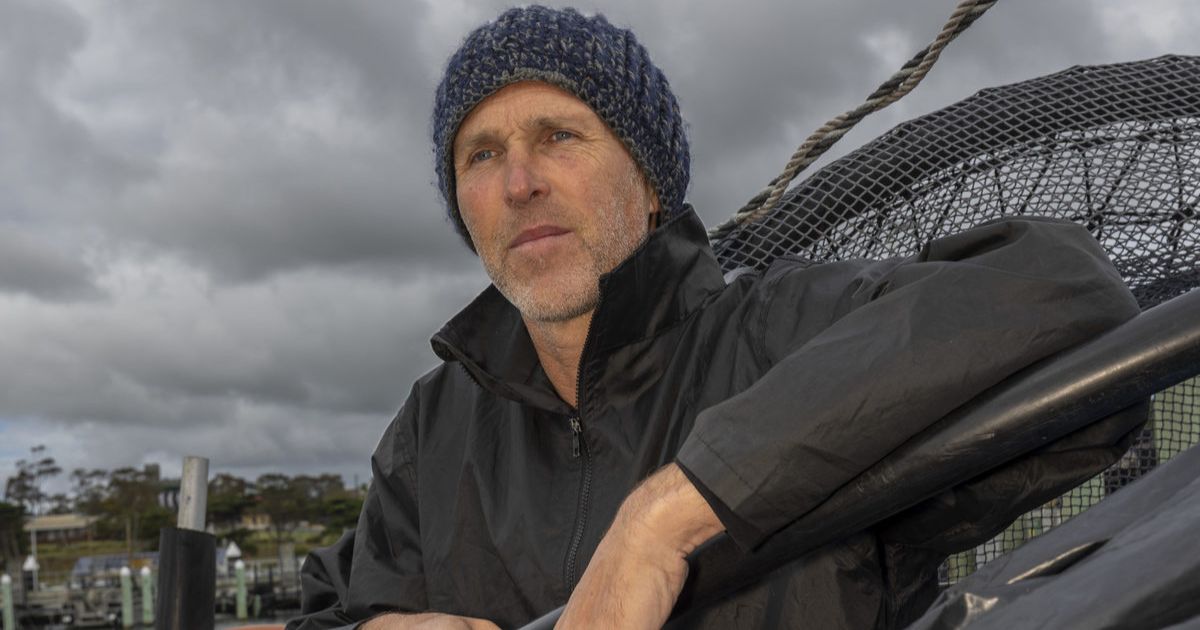
Tasmania's Samuel McLennan arrived in Portarlington this week aboard Heart, a boat he built from discarded marine debris. His slow journey up Australia's east coast highlights both the problem of ocean waste and the potential for creative renewal. Photo: MICHAEL CHAMBERS


A vessel built entirely from marine waste sailed into Portarlington this week, carrying with it a message of renewal and resilience.
The craft, named Heart, is the work of Tasmanian environmentalist Samuel McLennan who, since early 2024, has been slowly making the journey from Hobart to Sydney.
“It’s been a roller coaster. It’s been amazing. It’s been life-changing,” he said. “I’ve grown a lot; I saw some part of me that was still a boy, and so there’s been this evolution of me.
“I think it’s much like a walkabout. You’re out there on your own and being challenged. It’s about stepping up, taking responsibility.”
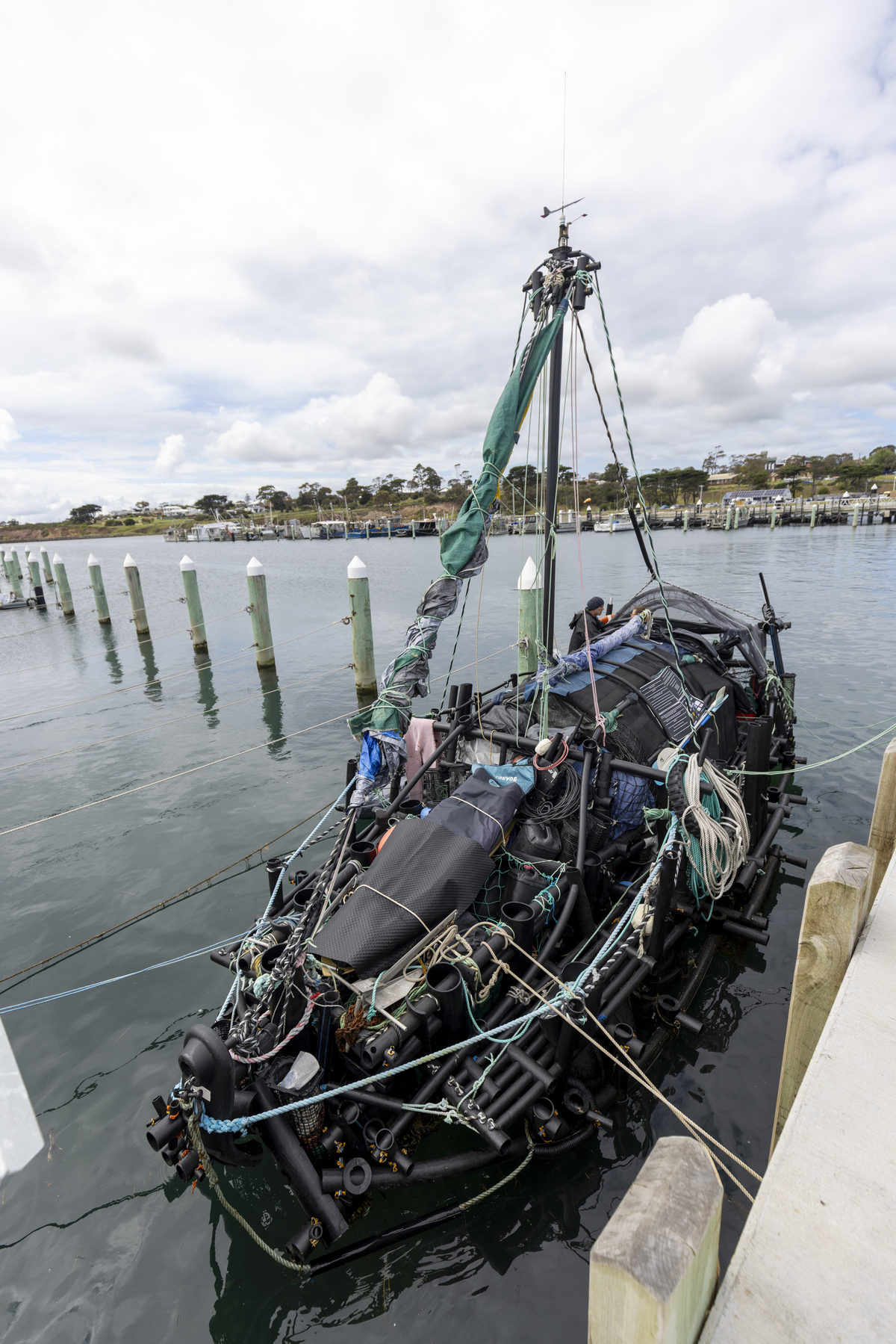
Heart is a striking collage of salvaged waste: black aquaculture pontoons have been lashed together with heavy rope, oyster bags and fishing gear pad out the framework, and a sail has been stitched from tarpaulins and tent fabric.
The project began in 2022 after McLennan experienced series of business setbacks and a period of deliberate homelessness.
“[I] couldn’t really find my place in the world, and I wasn’t going to settle for just another job,” he said.
When his bold idea to create an “innovation island” — a learning hub aboard a decommissioned ferry — was rejected by the Tasmanian government, McLennan’s father suggested he build his island out of fish farm debris instead.
“About three months into building this island, I had this vision of me being on an ocean.
“I thought ‘I’m not building an island, I’m building a boat’. And so that’s when it really changed.”
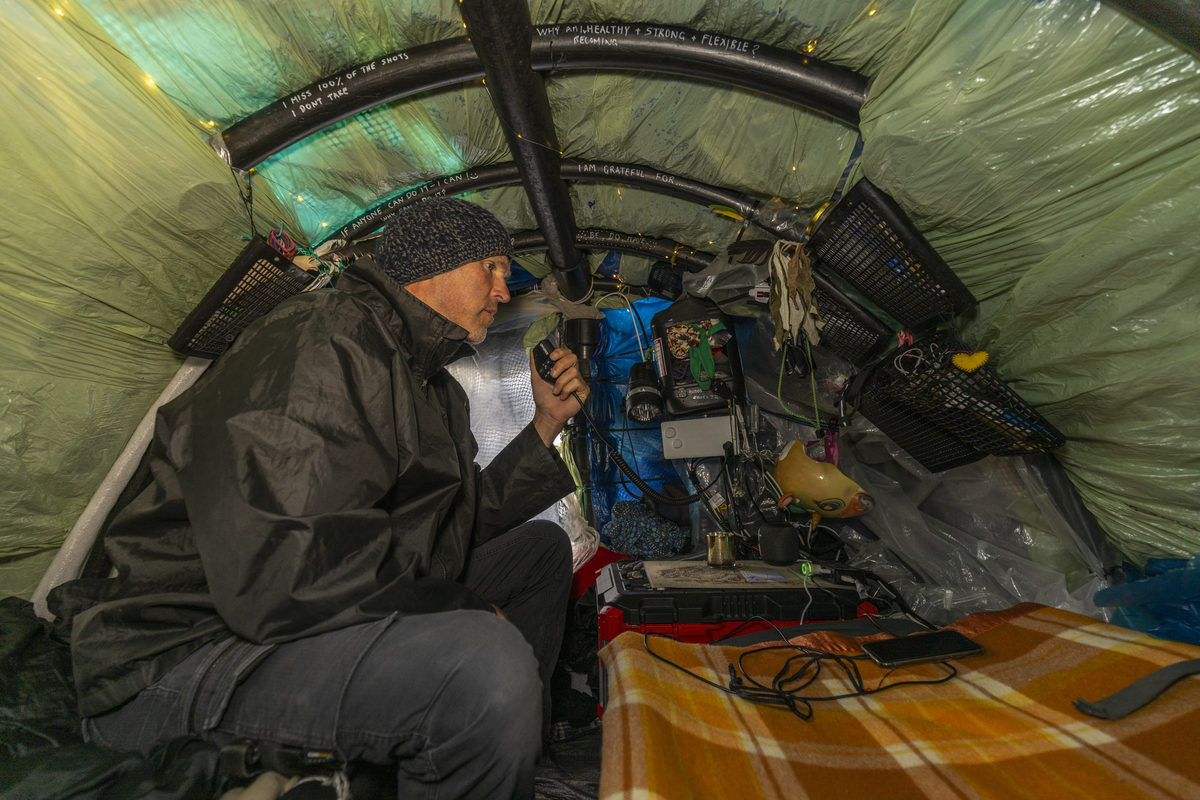
It took McLennan two years to build, to transform the debris into something that can float, carry and endure. Crossing the Bass Strait has confirmed the boat’s resilience.
But the journey is as much about inner transformation as it is environmental repair.
“What it’s about is teaching people about mental health because rubbish doesn’t grow natural in the environment. It’s because of how human beings think and speak about rubbish and about waste. We’ve been labelled as the only living species on the planet that creates a toxic environment to live in.”
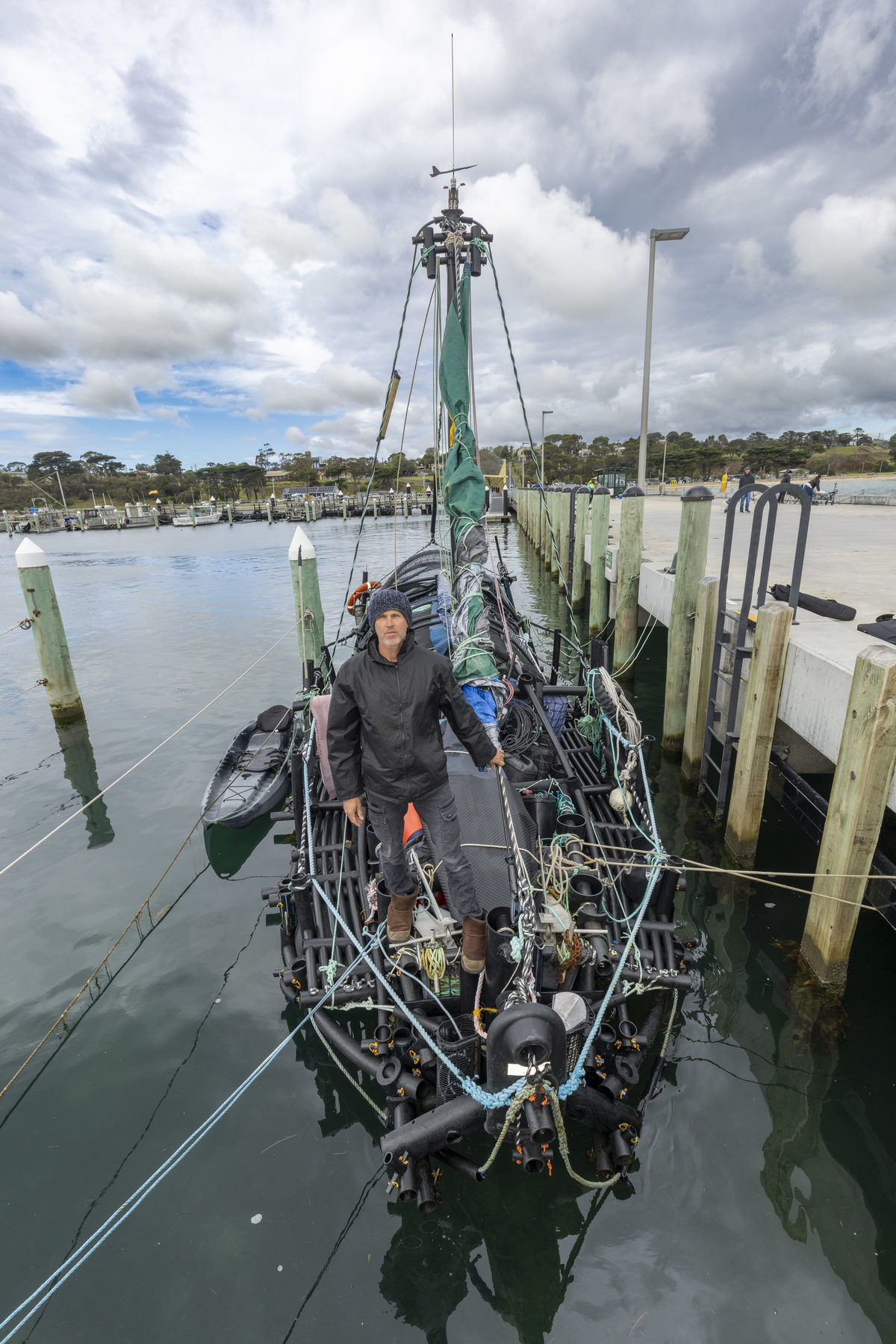
Surrounded by “billion-dollar views” each day, he’s in no rush to head north.
“There’s no deadline for me. This is life, this is living,” he said. “I’ve built this, and I know I’m going to make it to Sydney. What can I do next? I did this without money, so what else can I do?”
Along the way, McLennan has been stopping at coastal towns, running clean-up events, sharing his message about waste, wellbeing and environmental responsibility with schools and passers-by.
“My intention is to inspire people to make small changes,” he said. “If we all make a small change, it adds up to being a big difference.”
Share


Related Articles
Geelong patrols ramp up for school holidays
Shoppers visiting Geelong’s major retail precincts during the winter school…
How bad footy tips became a charity fundraising challenge
A GEELONG real estate agent has already racked up 50km…