Vicar creating community first as church attendance fluctuates
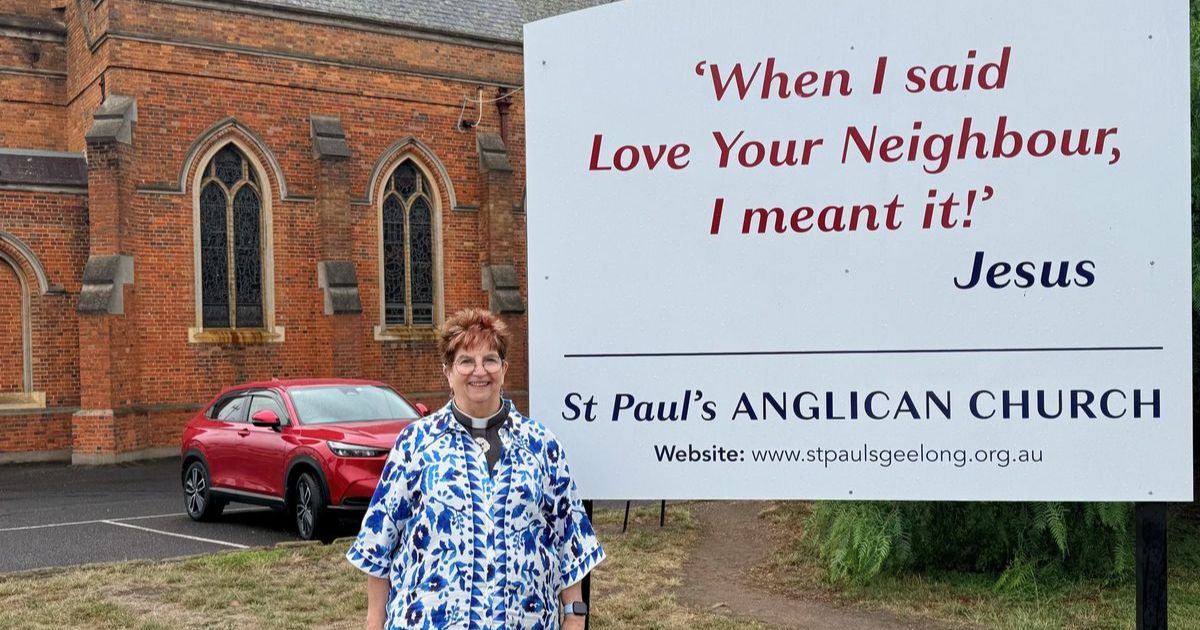
Saint Paul's Anglican Church vicar Jennifer Furphy. Photo: Supplied.


FOR the casual Christian, Easter might be one of the only times they attend church each year, and one vicar says that is okay.
St Paul’s Anglican church vicar Jennifer Furphy said church attendance should be a non-stressful experience for people.
While numbers rose throughout the Easter weekend, she believes there is more behind fluctuating attendance than major religious observances.
“I think because of the world situation at the moment, I expect that there will be some people who come for other reasons,” Furphy said.
“They may come because they find world political events disturbing or worrying, and it’s beginning to be felt here. People are finding petrol prices so high and so on. It’s starting to affect us.
“As people become more aware of our vulnerabilities as human beings, that does lead to people coming to church. But the important thing is that they should feel welcome if they perhaps need to hear something reassuring or comforting or inspiring.”
Recent trends suggest she is not alone in that view.
Church attendance in Australia has declined across most Christian denominations, but since the Covid-19 lockdowns of 2020 and 2021, self-reported attendance has begun to climb back towards pre-pandemic levels.
As isolation deepened during those years, so too did the need for connection – and for some, church has become a place to find it.
“Our aim always is to be a place where people can come to find community,” Furphy said.
“We get crabby about life and sometimes it seems so unfair. It’s okay to be angry, it’s okay to be angry with God and hopefully if you come into a church like St Paul’s, where we’re welcoming and we all understand those feelings, then you’ve got a place that you can say ‘I just don’t understand why I am in this situation’.”
Recognising that stepping into a new space can feel intimidating, Furphy encouraged those who are curious to simply give it a try.
There are no expectations to return, no financial commitment, and no pressure to engage beyond what feels comfortable, she said.
For her, commitment to church is not as much about attendance as it is living by the values established through Christian texts.
“The really significant thing is that at times when people don’t know what to think, there are places that they can go,” Furphy said.
“They can be anonymous, they don’t have to talk to anyone if they don’t want to, but they can hear some beautiful music, they can see things, and at some other point, they can come and ask us what it meant if they like.”
Share


Related Articles

Mannagh bullish as Cats prepare for Saints test
Geelong forward Shaun Mannagh says the Cats remain confident they…
How to optimise self-managed super fund (SMSF) structures in the Geelong region
Establishing and maintaining a Self-Managed Super Fund (SMSF) provides trustees…