Virtual fencing loses government backing despite Anglesea success
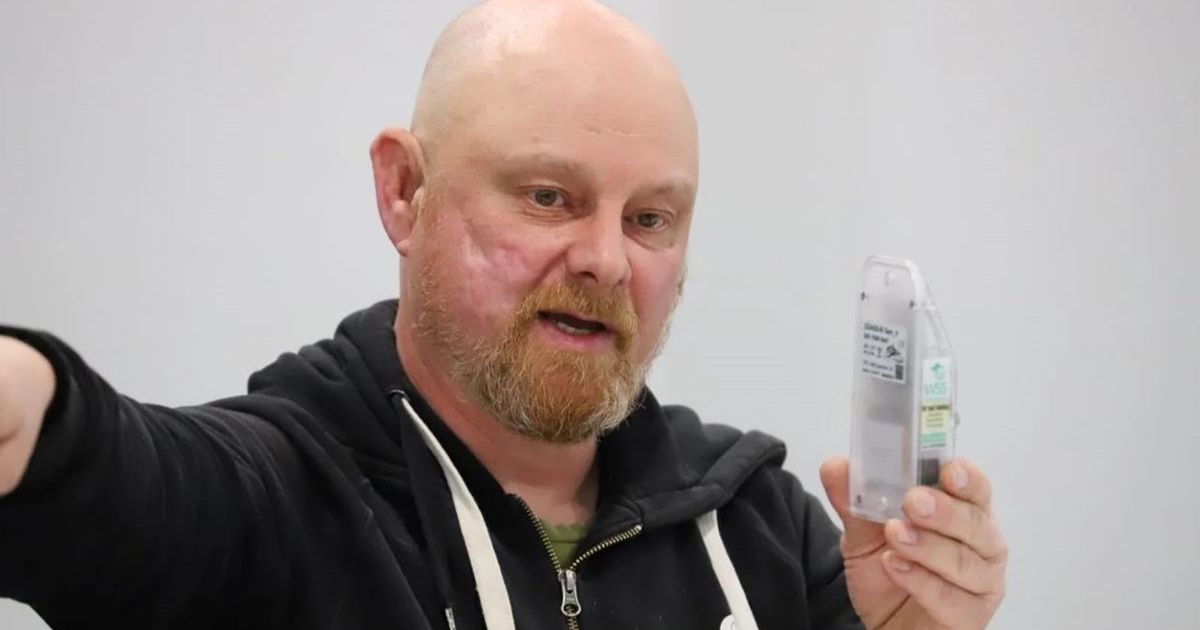
Surfcoast wildlife rescuer, Jason Cichocki, presenting evidence to the road strike inquiry in August. Photo: PARLIAMENT OF VICTORIA


A SURF Coast trial that slashed wildlife road deaths on a notorious Anglesea stretch has not been enough to convince a Victorian parliamentary inquiry that virtual fencing deserves wider government backing.
The inquiry’s final report, tabled last week, said the evidence received had “overwhelmingly” indicated virtual fencing trials had failed “in most cases”, and recommended against further funding for existing versions of the technology.
The more rigorous the trial, the inquiry found, the more the technology’s failures were evident.
Australia’s first virtual fencing trial took place in Tasmania between 2014–2017 and reported a 50 per cent reduction in the rate of roadkill. Several similar trials followed, including along a 12.8km section of Forest Road in Anglesea.
The technology uses electronic devices mounted on roadside posts to emit light and sound when triggered by approaching headlights.
It was installed in 2022 and has, for the past three years, been monitored by Surfcoast Wildlife Rescue founder Jason Cichocki, whose trial recorded a more than 80 per cent decrease in wildlife road strike.
“I am the one that is down there seeing this happen,” he told the inquiry in August. “I can tell you without a doubt that this has made a massive difference to this particular area.”
But other trials, including five Australian academic studies, have not experienced the same success, instead suggesting virtual fencing has no significant effect on wildlife road strike.
“[The technology’s] successes are difficult to reconcile with the Australian academic body of evidence with casts significant doubt on the effectiveness of virtual fencing,” the inquiry’s report stated.
“While the committee does not doubt the firsthand evidence it heard, without rigorous evidence collection it is difficult to conclusively attribute any reduction in wildlife road strike to the operation of virtual fencing.
“There was limited evidence that could justify further funding for virtual fencing on the basis of those technologies presented.”
Concerns were also raised about whether Australian species could effectively detect or interpret the sound and light cues emitted by the devices, and if the presence of the technology may encourage drivers to take more risks.
The inquiry, which set out to investigate the impact of road strike on Victorian motorists, outlined 18 recommendations in its final report.
Chief among them was the recommendation the Victorian government considers requiring drivers to stop and render assistance to injured wildlife when safe to do so.
The inquiry also proposed giving motorists the option to make an annual voluntary contribution to wildlife rescue and shelter services through their vehicle registration.
Share


Related Articles

How bad footy tips became a charity fundraising challenge
A GEELONG real estate agent has already racked up 50km…
New training helps Geelong nurses identify and respond to family violence risk
NEW training has equipped maternal and child health nurses (MCHNs)…