With less than a year to go, VEC preps for election
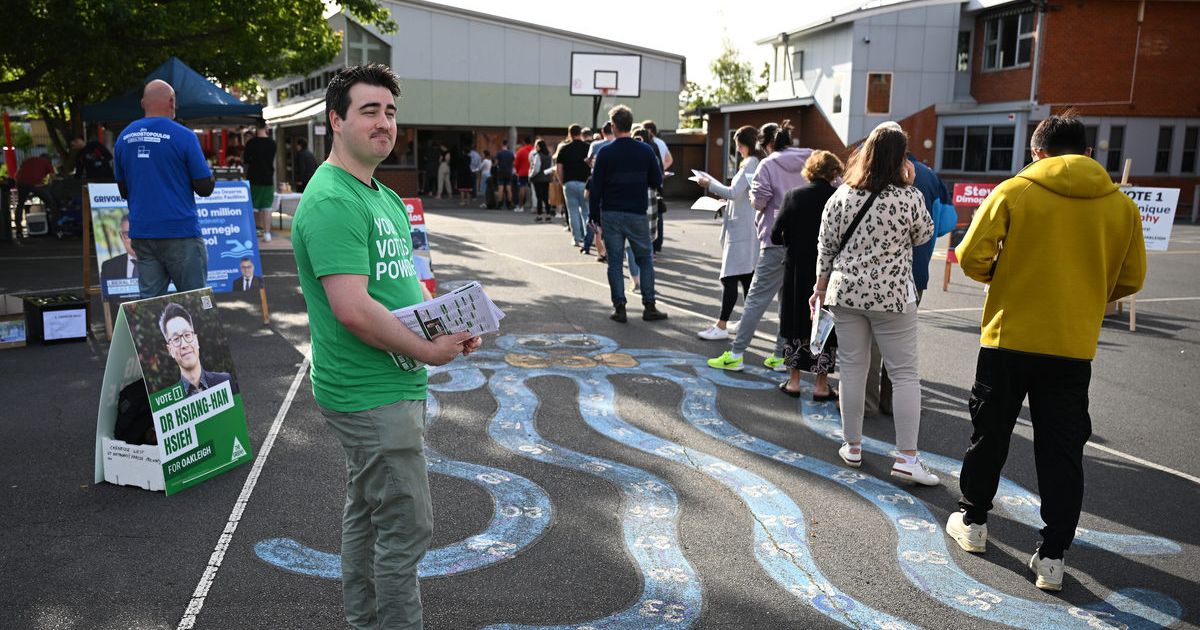
People queue up to vote in the 2022 state election. The VEC says the 2026 state election will see it enter a new phase of service delivery. Photo: JAMES ROSS/AAP IMAGE


THERE is less than a year to go until the state election and the Victorian Electoral Commission (VEC) has released its draft service plan, which it says offers a refreshed approach for voters, candidates, parties and community stakeholders.
The service plan outlines how the VEC proposes to deliver its biggest election ever on November 28, 2026.
It also includes several changes to meet increasing demand, ensuring the voting experience is secure and efficient across Victoria from start to finish.
“Elections today cannot look the same as they did a decade ago,” Electoral Commissioner Sven Bluemmel said.
“This plan sets out the significant changes under way to ensure every Victorian can take part in a fair, accessible and trusted election.”
The report proposes several enhancements to the electoral process, including:
Increasing the number of early voting centres to about 220 to meet growing demand
Extending centre opening hours to 8pm for most days of the early voting period
Broadening the use of electronic roll mark-off to respond to ballot paper demand in real time, and
Enhancing inclusive voting options with additional mobile voting sites in the community and low-sensory mobile voting locations in every district.
“We are entering a new phase of election delivery,” Mr Bluemmel said.
“This service model is a direct response to community expectations, the growing demand for change, and the recommendations put forward by Parliament’s Electoral Matters Committee.
“It sets the foundation for how we must evolve to meet the challenges of today and tomorrow.”
In his introduction to the report, Mr Bluemmel noted the electoral landscape was more complex than ever.
“Delivering an election now means navigating higher costs, complex supply chains, stronger competition for resources, and new pressures such as mis- and dis-information.
“Fiscal sustainability is a necessary component of our planning, as election delivery grows more resource-intensive and harder to scale.
“These are not insurmountable challenges, but they demand modernisation, adaptation and innovation from the VEC.”
The report also sets out a timeline of the election itself in 2026:
July 31 – Final day to apply to register a political party
November 3 – Issue of writs, election offices open to the public
November 4 – Nominations open, applications for postal votes open
November 12 – Nominations close for registered political parties
November 13 – Nominations close for independents
November 16 – Registration opens for how to vote cards
November 18 – Early voting begins
November 25 – Postal vote applications close
November 27 – Early voting closes
November 28 – Election day
December 4 – Last day for votes to be submitted
December 19 – Writs to be returned on or before this date.
Feedback on the draft plan closes on February 27, 2026, with the final plan to be released in August 2026.
To read the full report, head to vec.vic.gov.au/about-us/publications
Share


Related Articles
Geelong patrols ramp up for school holidays
Shoppers visiting Geelong’s major retail precincts during the winter school…
How bad footy tips became a charity fundraising challenge
A GEELONG real estate agent has already racked up 50km…