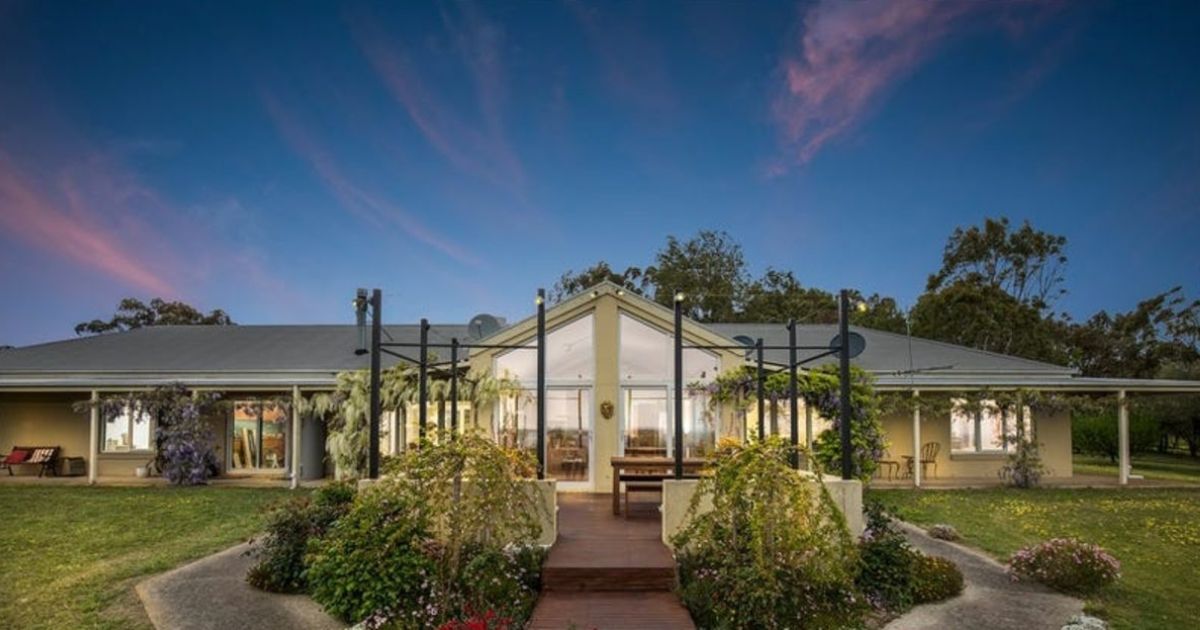
First home buyers: What you need to do to enter the market in 2026

Tribe Financial director Jamie Hyndman.


FOR many first home buyers, 2026 is shaping up as a year of opportunity. Interest rates have softened, new stock will come to market, and government programs are expected to continue supporting buyers.
If you want to be purchase ready next year, the best thing you can do is start preparing now.
To make this practical, let us walk through a worked example of first home buyers aiming to purchase a $600,000 property in 2026, using realistic income, savings and support options.
1. Income: The foundation of your borrowing power
In this example, our couple earns a combined household income of around $120,000 a year or a single buyer is earning $115,000. This level of income often provides a workable starting point for a $600,000 purchase, assuming they have stable employment, consistent payslips and clean financial conduct.
Lenders look closely at reliability. They want to see regular income flowing into the account, no gaps in employment and no other loans such as car finance or credit cards. Buyers with no existing debts are in a far stronger position.
2. Deposit: Aiming for a practical saving target
For a $600,000 purchase, our example buyers are working toward savings of around $35,000. While this is not a full 20 per cent deposit, it can still be enough when paired with appropriate government support, the key scheme being the 5 per cent deposit scheme.
The most effective approach is to keep these savings in a separate account and automate regular contributions. A clean three- to six-month snapshot of consistent saving, controlled spending and a healthy buffer after settlement sends the right message to lenders. It shows that you are managing your money well and ready for the responsibilities of home ownership.
3. Government incentives: Reducing your upfront costs
Government incentives remain a powerful tool for first home buyers. Programs such as the 5 per cent deposit scheme, stamp duty reduction scheme, and the first home builders grant can significantly reduce the upfront costs of a $600,000 purchase.
Eligibility will depend on your income, the property you’re considering and whether you plan to buy an existing property or build new. For many buyers earning around $120,000 with $35,000 saved, these programs can bridge the gap between where they are now and where they need to be. This can mean a smaller deposit requirement, lower entry costs and a clearer pathway into the market.
Buying your first home is a major milestone, but with the right preparation and guidance, 2026 can be the year it becomes real.
Have a question you’d like to ask our team? Email [email protected]
Disclaimer: The figures used in this article are provided for direction only. Many factors influence how much you can borrow, including living expenses, credit history, interest rates and lender policies. Always seek personalised advice before making financial decisions.
//SPONSORED CONTENT
Share


Related Articles
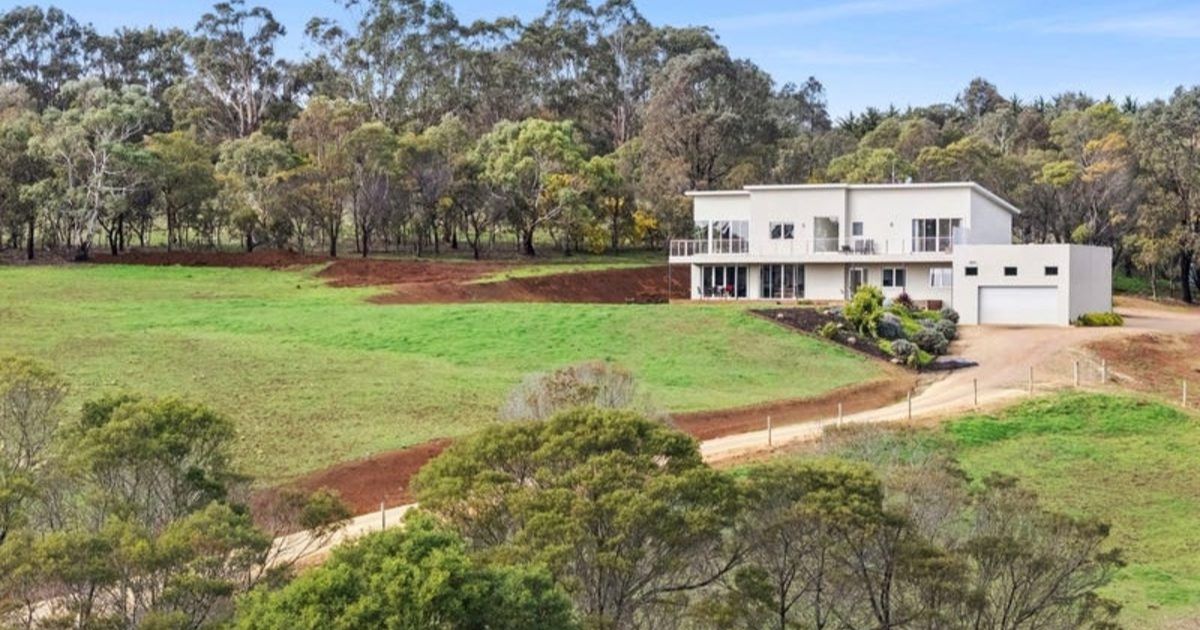
All genuine offers considered: 40 Wood Road, Bellbrae
THE owners are committed to selling, presenting an exceptional chance…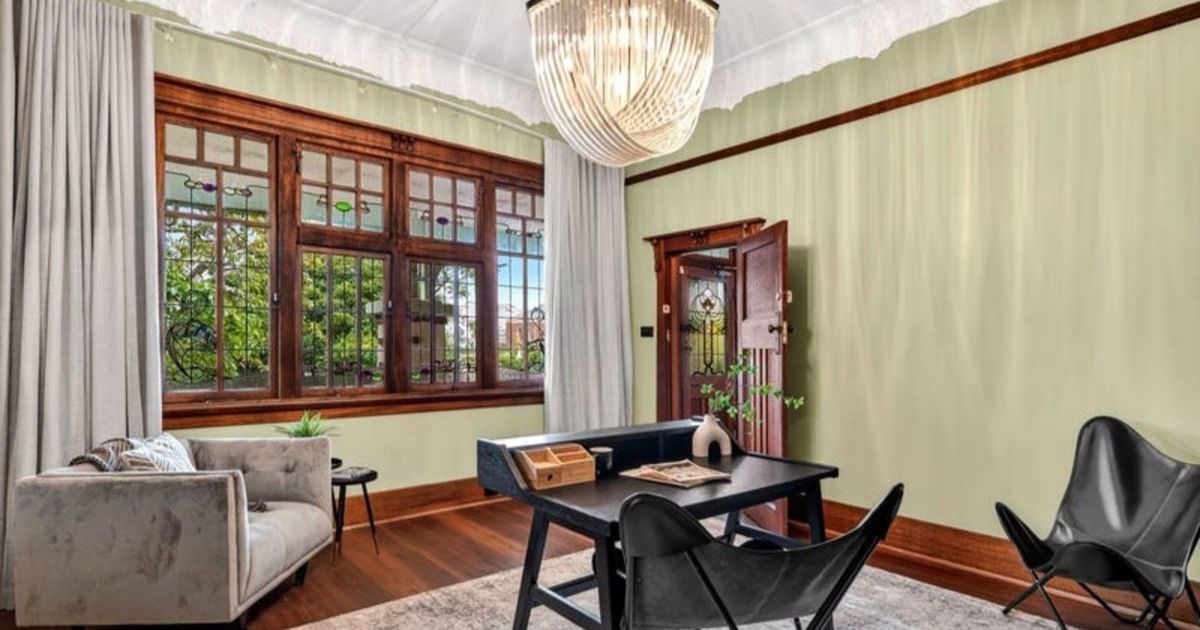
Iconic character on about 981sqm: 21 Aberdeen Street, Newtown
WITH the rare advantage of rear lane access and excellent…