How our small businesses can stand out in an AI-driven marketing world
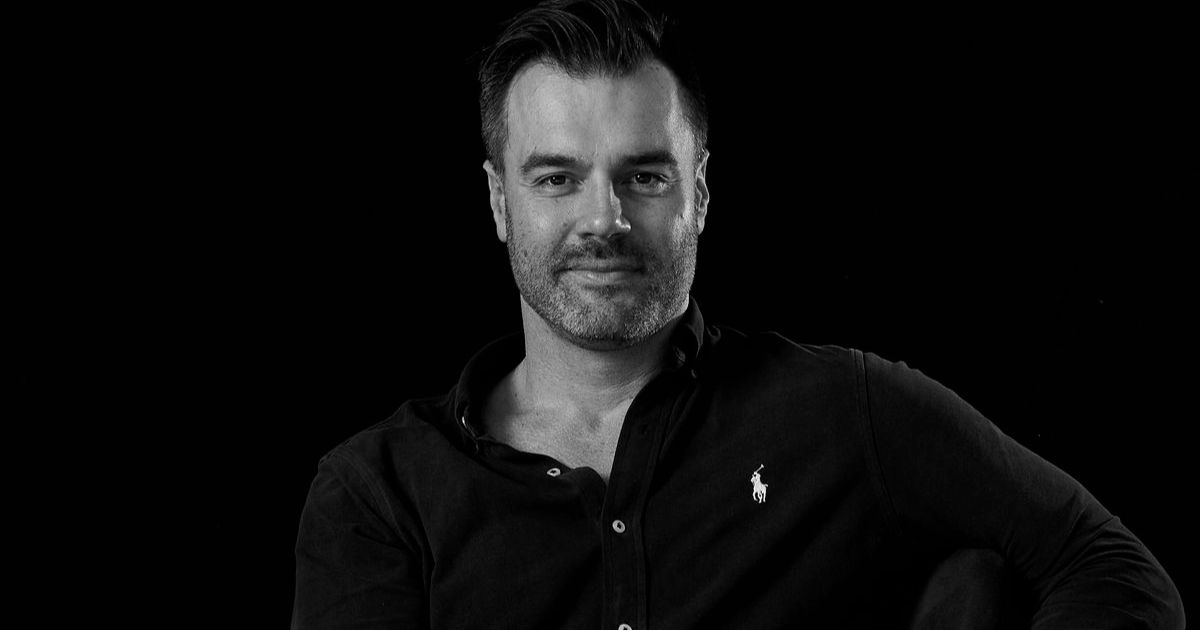
Tribe Financial director Jamie Hyndman.


AT Tribe, I spend a lot of time talking with surf coast business owners about growth. Not just funding it, but sustaining it.
One topic is front of mind in 2026: AI. An area I’ve seen a rapid shift in is how it is changing small business marketing, and how small and medium businesses can avoid getting lost in the noise.
To explore this properly, I recently caught up with a good friend, Rob Elder, who has just launched his new marketing business, The Good Brief.
Rob brings more than 20 years of experience from brands like Nike, Cadbury, CUB and Cotton On Group, and now works closely with SMEs here on the coast and beyond.
We spoke candidly about AI, brand differentiation, and what really matters heading into 2026.
Q: Rob, how does a brand stand out in a world increasingly shaped by AI?
Rob: AI is an incredible tool for ideation, automation and efficiency, but it is not a replacement for strategic thinking or human creativity.
The biggest risk I see is a growing sea of sameness. When everyone uses the same AI tools in the same way, brands naturally drift toward the safe middle ground. Marketing becomes generic, transactional and easily commoditised. When that happens, customers stop seeing meaningful differences and start making decisions purely on price.
The antidote is clarity. You need to know why your brand exists, who it is for, and what truly makes it different. From there, creative talent can build platforms that actually cut through the noise. AI can absolutely help you scale, but only if you are clear on what you are scaling toward in the first place.
We are lucky here on the coast to have an incredible network of creative experts. The real challenge is tapping into the right people with the right brief.
Q: How can SMEs use AI to support brand uniqueness rather than being driven by it?
Rob: Start with the problem, not the tool. Before choosing any AI platform, ask yourself what challenge you are actually trying to solve.

Who is your audience? Are you trying to improve content production, campaign automation, or customer insight? Once that is clear, you can evaluate AI tools that genuinely support that need.
AI is powerful when used to ideate and explore customer opportunities, build workflow efficiencies, test concepts quickly and generate content at scale. But it should never be making your strategic decisions.
The best results come when AI is used to execute a clear human vision faster, not replace it entirely.
I am a big believer in having clear human intervention points in any AI-led process, especially when producing consumer-facing content.
Q: Can you share an example of a business using AI well?
Rob: The best examples are the ones where you barely notice the AI at all, because it feels authentic to the brand experience.
One brand I admire is Bellroy. I should say upfront that I am an outsider, so I am not across their internal processes. From the outside, though, it appears they are using AI to scale personalised content across different customer cohorts and digital channels, all linked back to product usage occasions they understand deeply.
It is a great example of brand strategy working hand in hand with AI automation, with technology in service of the brand, not the other way around.
Q: Finally, how does The Good Brief help SMEs navigate this space?
Rob: We are all in the business of growth, and it has never been more cluttered than it is right now. The Good Brief helps B2C brands define who they are, develop clear points of view, and build creative platforms and marketing strategies that bring that uniqueness to life.
The goal is to move beyond the discount marketplace and build long-term brand and business growth. Our work spans brand strategy, creative development, go-to-market planning, and acting as a fractional senior marketer to help navigate complex projects.
You can find Rob at thegoodbrief.com.au, and of course, you can find Tribe Financial at tribefinancial.com.au
//SPONSORED CONTENT
Share


Related Articles

Geelong to become home to new Sherridon Homes headquarters in $10m regional expansion
SHERRIDON Homes will establish a new Geelong headquarters as part…
Plan Group Geelong designs its own expansion
PLAN Group has turned its construction expertise inward, designing and…