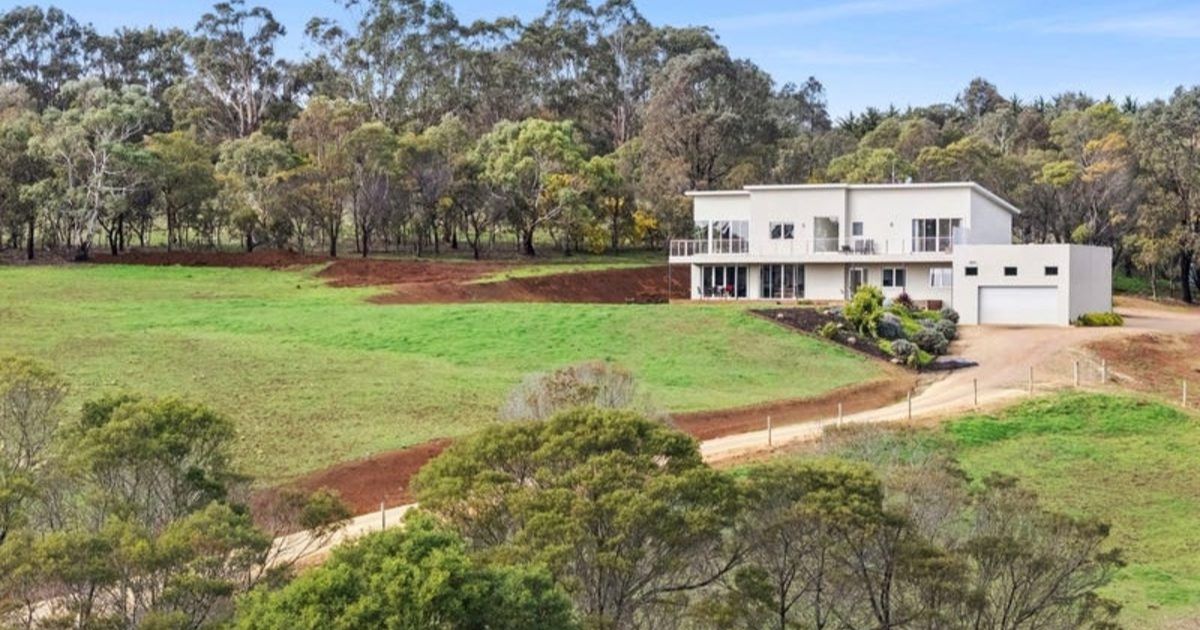
Tiny homes have lofty ambitions – and buyers are taking notice
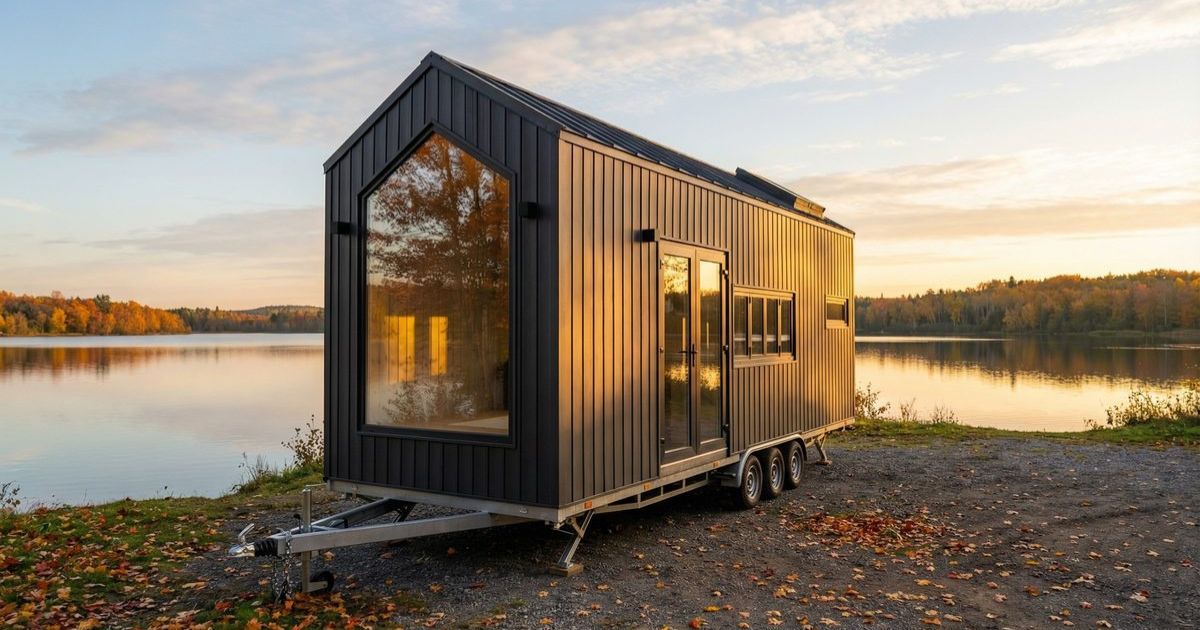
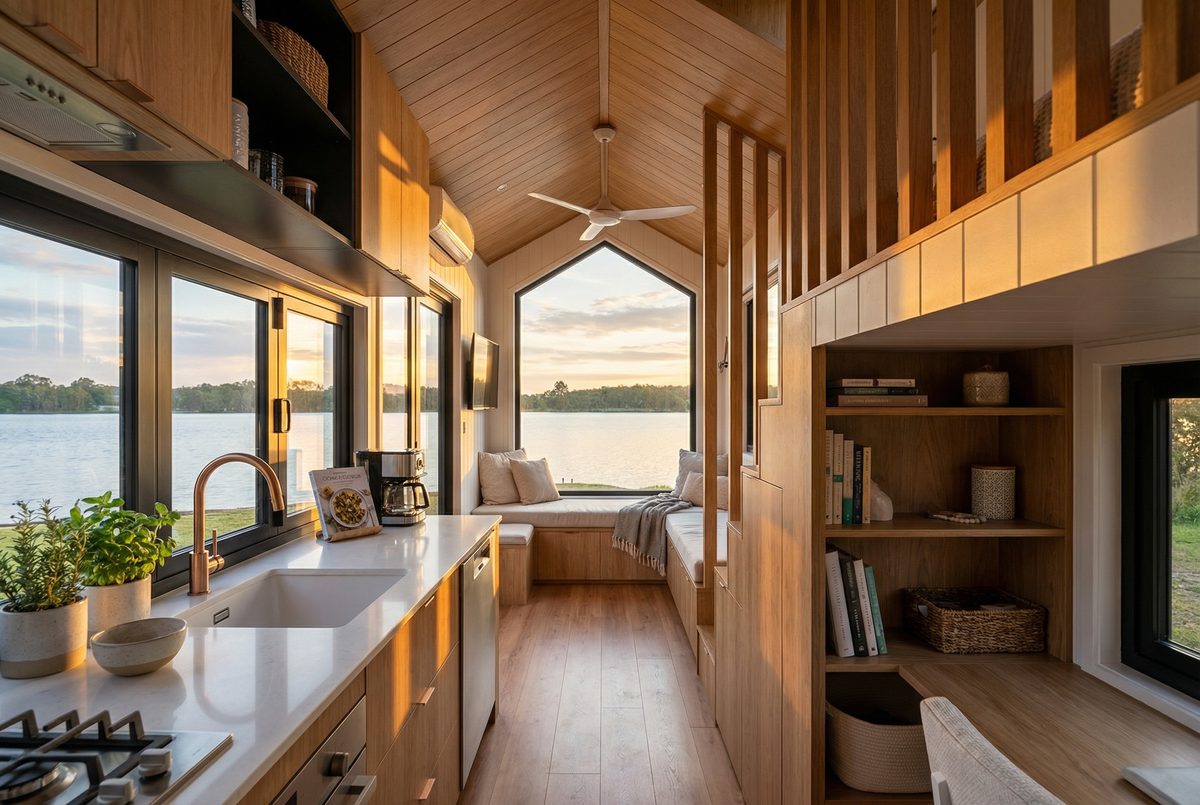
Tiny homes are generally defined as a transportable dwelling with no more than 37sqm of floor area, excluding loft spaces. Photo: Surf Coast Tiny Homes.


AN idea with a tiny footprint could have a big impact on the future of housing.
Tiny homes have grown in popularity since the Covid-19 pandemic because of their mix of affordability, simplicity, portability and environmentally friendly qualities.
Local initiatives are already encouraging their use and interest continues to grow nationally among people looking to downsize or set up a second dwelling in their backyard.
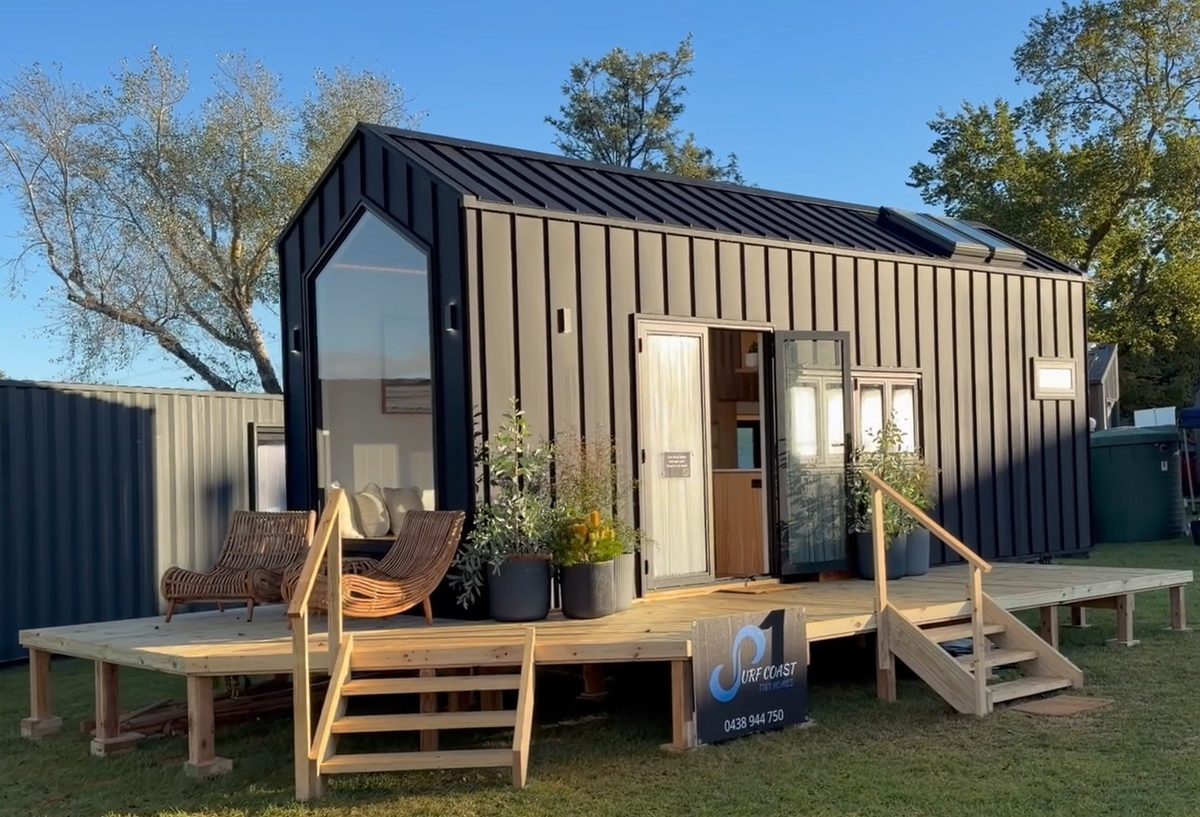
One example is Surf Coast Tiny Homes’ Dune Loft, a tiny home designed and built in Ocean Grove.
Tiny homes are generally defined as transportable dwellings with no more than 37sqm of floor area, excluding loft spaces.
Dune Loft combines warm timber finishes, natural materials, custom detailing and a carefully considered layout to maximise every square metre.
Surf Coast Tiny Homes director James Colby said the goal was to create a home that offered the functionality and comfort of a traditional residence in a much smaller footprint.
“We can achieve essentially what you can have in a home, but on wheels and in a very small footprint where you simplify your life, downsize and potentially live in a rural location with financial freedom,” he said.
The Dune Loft is the company’s signature design, inspired in part by Colby’s travels around Australia and his appreciation for living simply with fewer possessions.
“I love the idea of living pretty simple and with minimal possessions and yet still being able to live in a home,” he said.
A strong connection to the outdoors was central to the design.
“One of the problems I’ve seen in the tiny home space is that they can often feel quite enclosed,” Colby said.
“So what we brought into especially the Dune Loft was some really key feature windows. That beautiful front gable window is absolutely stunning.
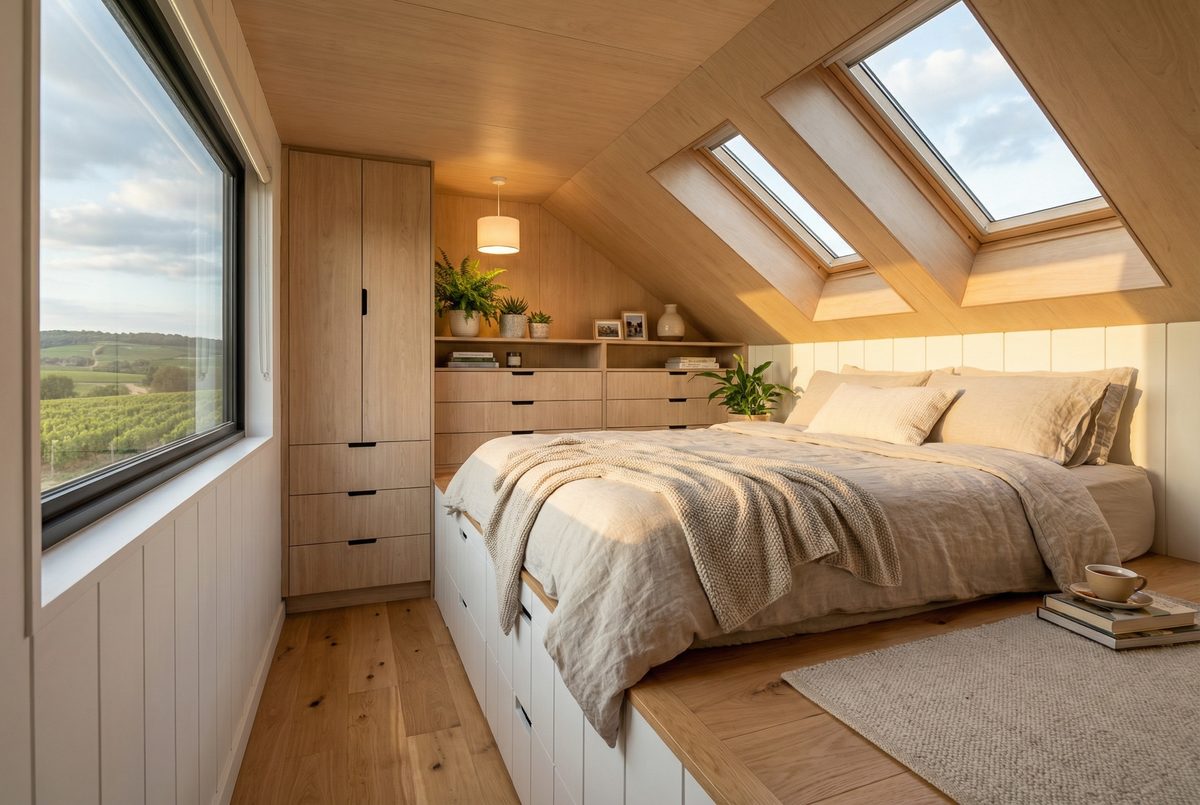
“When we put in the windows – the bifold windows that open the kitchen to the outdoors, the French doors and the louvre windows on the side – they created beautiful airflow through the home as well and created light from all different spots in the home.
“Not only do you feel like you’re in a home, you also feel like you’re connected to the outdoors.
“Quite often these homes are placed in beautiful locations, and then it’s being able to embrace that beautiful location and get views from everywhere.”
Colby believes growing demand for tiny homes reflects a broader shift in housing preferences, with more Australians looking for financially accessible homes that do not compromise on design or liveability.
Demand is coming from a range of buyers, including operators in the Airbnb and boutique accommodation sectors, as well as families wanting additional space without undertaking a major renovation.
With renovation costs continuing to rise, Colby said many homeowners were turning to tiny homes as an alternative.
“They’ve come to us and said, ‘We looked at adding a bedroom or a bathroom on the back of our property and we’re getting quoted $200,000, so, we started looking into tiny home options’.
“They don’t have to touch their existing residence. It can be built off site and then be actually transported into the [property] and all of a sudden they’ve got a new home in the backyard.
“It’s pretty achievable and pretty enticing.”
The Surf Coast Shire is one of the first municipalities in Australia to run a pilot scheme allowing tiny homes.
The three-year trial, due to end on 21 December, permits wheeled tiny homes on privately-owned land, subject to approval and an agreement between the applicant and landowner.
Applications are assessed against criteria including legal compliance, environmental impacts, amenity, access, waste management, service connections and safety.
Colby said the biggest challenge to the tiny home movement was their acceptance by local councils, and hoped the shire’s pilot would be extended.
Share


Related Articles
Geelong to become home to new Sherridon Homes headquarters in $10m regional expansion
SHERRIDON Homes will establish a new Geelong headquarters as part…
Plan Group Geelong designs its own expansion
PLAN Group has turned its construction expertise inward, designing and…