Field day to help conserve a critically endangered local
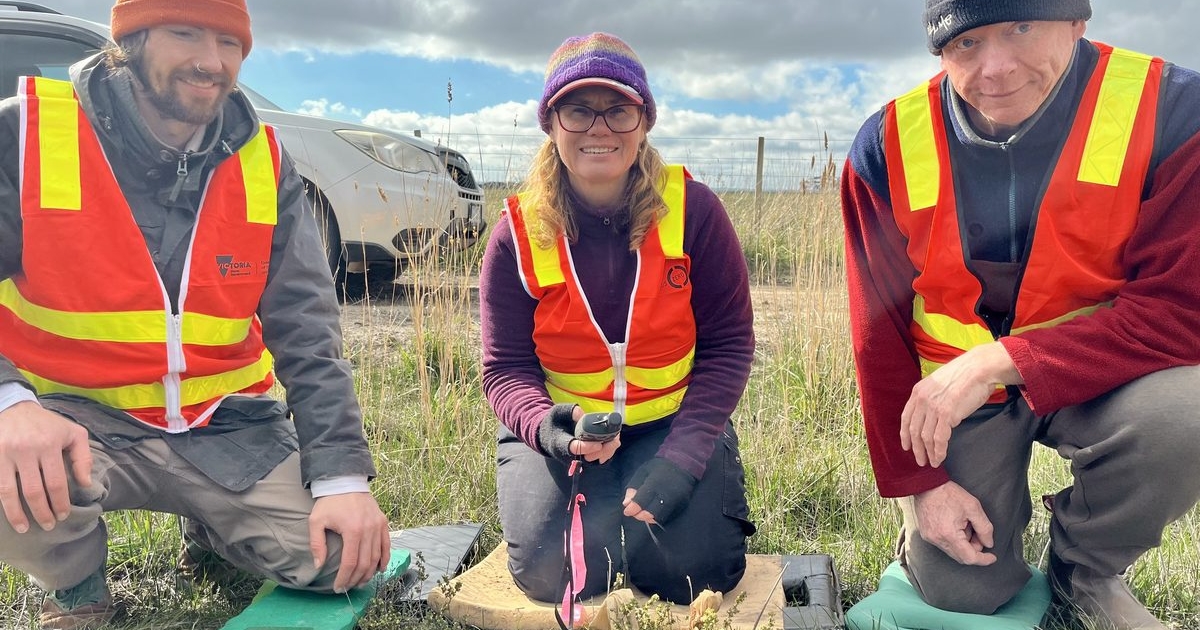
Precious few: Volunteers are preparing to return and collect seed to help conserve the critically endangered grassland species. Photo: SUPPLIED


GRASSLAND ecologist Dr Debbie Reynolds is leading this Saturday’s Shelford field day aimed at conserving the critically endangered spiny rice-flower.
Volunteers are invited to help out with collecting seed of spiny rice-flower (Pimelea spinescens), a grassland species, at a road reserve on the Rokewood-Shelford Road from 10am to 12pm on Saturday 13 December.
Dr Reynolds, who is a Pimelea conservation officer with Trust for Nature, said one of the reasons the spiny rice-flower is so important is because of its rare winter blooming period.
“It’s keeping the pollinators active and happy in that time,” she said.
“It is listed federally as a critically endangered species so we have to look after it.
“It’s already had massive losses; we’re losing them left, right and centre.
“Grasslands are always threatened by incidental works, things that go wrong, pipelines go in, roads get widened therefore we lose a little bit more of the grassland, developments are constantly occurring in farming areas as well as in the city areas.”
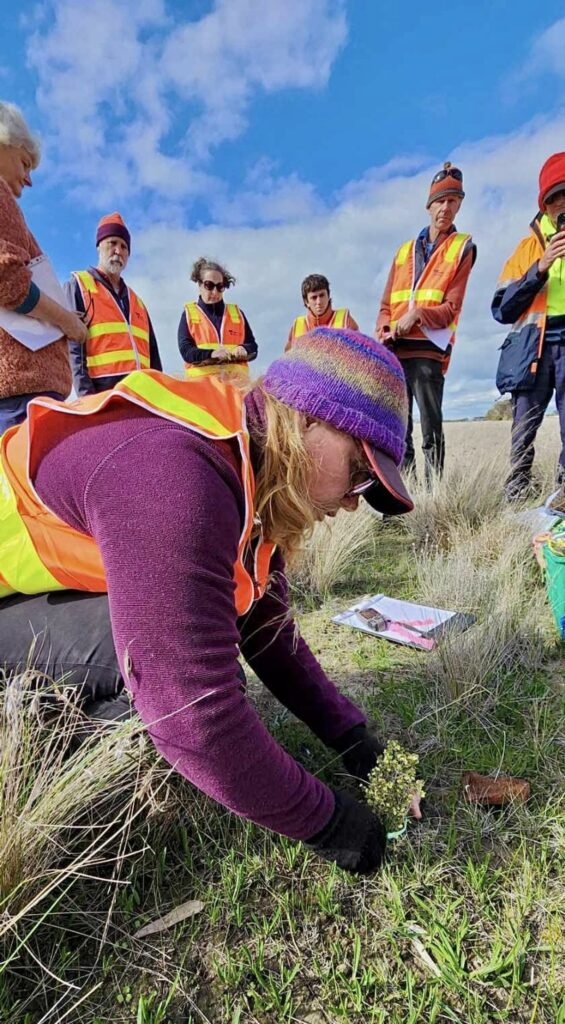
One of the main ways that Dr Reynolds’s work is helping to conserve the species is through establishing monitoring sites and collection of its seed for propagation.
The Geelong Landcare Network is hosting the field day and organisers said the collected seed will be donated to the Pimelea spinescens seed orchard to help increase the seed bank’s population and diversity, allowing the potential for further growing the populations at the site or at other secure locations as part of future projects.
“As local community engagement in the project will be important for management of this specific site, so too will wider engagement to increase awareness of Pimelea spinescens as a species, and threatened flora communities more broadly,” a spokesperson for the project said.
“Principal threats to spiny rice-flower include the loss and fragmentation of habitats through clearing for urban and agricultural development, as well as habitat degradation induced by competition from both native and exotic plants,” the 2024 National Recovery Plan for the species states.
Saturday’s field day will conclude with a tour of Rokewood Cemetery, which organisers with Geelong Landcare Network describe as “one of the best places in western Victoria to see a range of native grassland flowers”.
More details are available through the Geelong Landcare Network website, with registrations through Humanitix.
Share


Related Articles
Public transport users’ group reconvening, advocating for region
THE Public Transport Users Association (PTUA) Ballarat is reconvening after…
Recognition for Inverleigh youth hub
A RECREATION space in Inverleigh has earned the Golden Plains…