Health service’s cancer care evolves
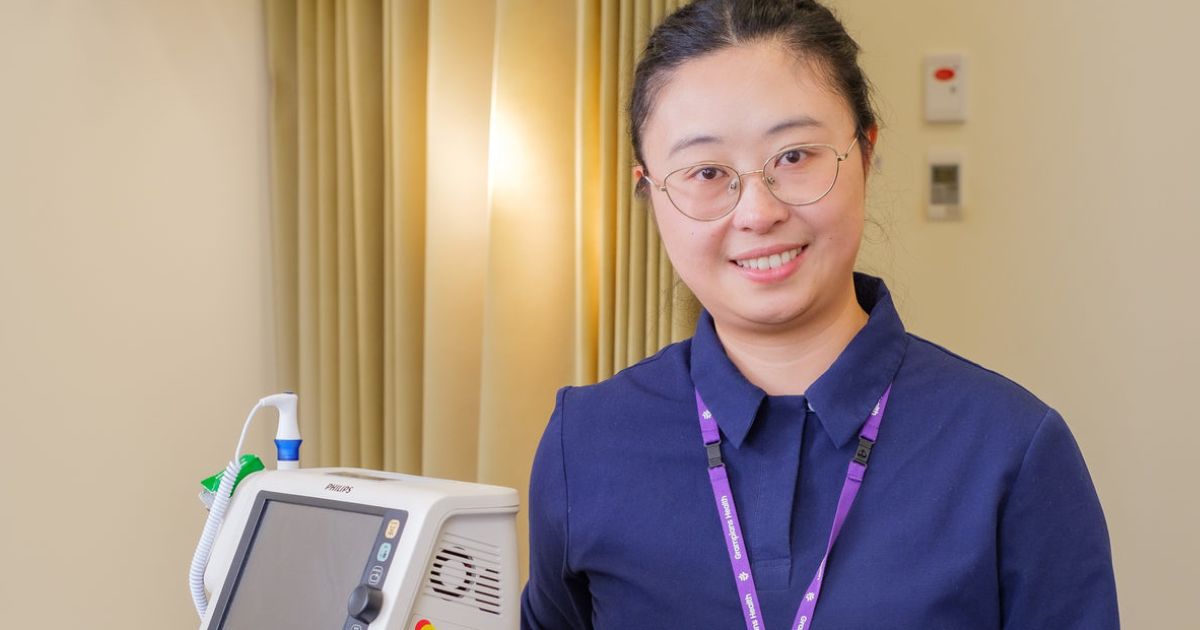
Grampians Health clinical trials co-ordinator nurse Maggie Zhang. Grampians Health is now offering comprehensive genomic profiling, treatment-matching, and access to cutting-edge clinical trials for people with advanced, incurable, or poor-prognosis cancers. Photo: Supplied.


CANCER patients across the region are benefitting from a partnership between Grampians Health and national not-for-profit cancer research organisation Omico, aimed at using precision medicine to transform cancer care for western Victorian residents.
As part of Omico’s national PrOSPeCT program, Grampians Health is now offering comprehensive genomic profiling, treatment-matching, and access to cutting-edge clinical trials for people with advanced, incurable, or poor-prognosis cancers.
With about 100 clinical trials currently open, Grampians Health is hosting the largest clinical trials unit in western Victoria, the local health service provider confirmed.
Since partnering with Omico in late 2023, Grampians Health has referred more than 100 patients for genomic screening with dozens already accessing tailored therapies or enrolling in national clinical trials.
The services are provided at no cost to patients, through Omico’s precision oncology program, a spokesperson of Grampians Health said.
Grampians Health chief medical officer Professor Matthew Hadfield said the partnership is ensuring that location is no longer a barrier to cutting-edge care.
“Precision medicine is transforming how we treat cancer, and this program is making sure regional Victorians don’t miss out,” Professor Hadfield said.
“By working with Omico, we can provide access to world-class, personalised treatments and innovative clinical trials closer to home alleviating patients needing to travel to the city reducing the stress and burden on patients and their families.”
By analysing the unique genetic makeup of each tumour, patients are able to be matched with the most effective targeted therapies effectively revolutionising how cancer is treated in regional and rural communities.
Share


Related Articles
Public transport users’ group reconvening, advocating for region
THE Public Transport Users Association (PTUA) Ballarat is reconvening after…
Recognition for Inverleigh youth hub
A RECREATION space in Inverleigh has earned the Golden Plains…