Scarred paper and stories of hunger
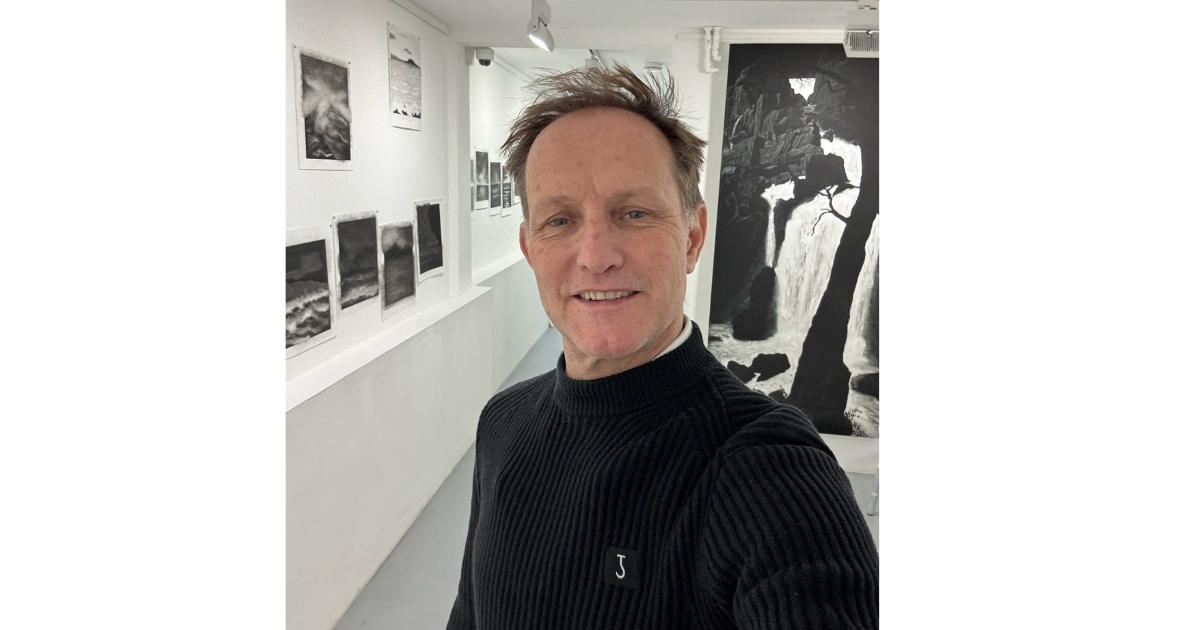
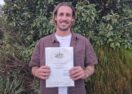
Henri van Noordenburg's work is on show in the current exhibition Indelible: The Poetry of Decay at Tweed Regional Gallery & Margaret Olley Art Centre. Photo: Henri van Noordenburg.


HENRI van Noordenburg’s works often act as circular binocular-like lenses into scarred monochrome landscapes; fragile textures carved painstakingly into paper that reflect an ongoing meditation on human suffering.
The artist, whose work is currently on show in a group exhibition titled Indelible: The Poetry of Decay at Tweed Regional Gallery & Margaret Olley Art Centre, said his practice has long been shaped by the emotional weight of world events.
“Storytelling has always been an important part of my life,” van Noordenburg said.
“You can’t tell someone else’s story – you’ve got to sit solidly behind the emotions you’re expressing in your work.”
Van Noordenburg said his work increasingly became focused on “the suffering of humankind”.
“Over time, it very much became about the human suffering in general, and whatever cause that is, and the injustice that’s done,” he said.
Born in the Netherlands, van Noordenburg grew up surrounded by stories from the second world war, particularly those passed down by his mother, who was born in 1939 and experienced famine in the Netherlands during the winter of 1944–45.
He said those memories directly informed his hunger series, 12 works on display in the current exhibition.
“One of the stories that Mom told me is also part of the exhibition,” he said.
“My mom remembers that there was no food, and the only food that she could eat was the tulips out of the garden, hence why there’s tulips in the work.”
He said that added layers to the concept of hunger being explored in the piece, beyond its literal definition.
“So, it’s hunger because of being hungry, but it’s also hunger for power, or hunger for home, or hunger for loved ones…” he said.
Central to the Indelible exhibition is the idea of decay as something poetic rather than purely destructive.
Van Noordenburg said he has captured that idea in his circular works, which often depict dark or apparently dying fruits and trees viewed through what could be interpreted as either a binocular-like lens or the light of the moon.
“The white circle is a reference to looking through binoculars or any viewfinder that you may look through to see something, but it’s also a reference to the moon,” he said.
“A full moon is often romanticised, poetic if you like, so having a work in front of that … is looking at the beauty of plants and decay.”
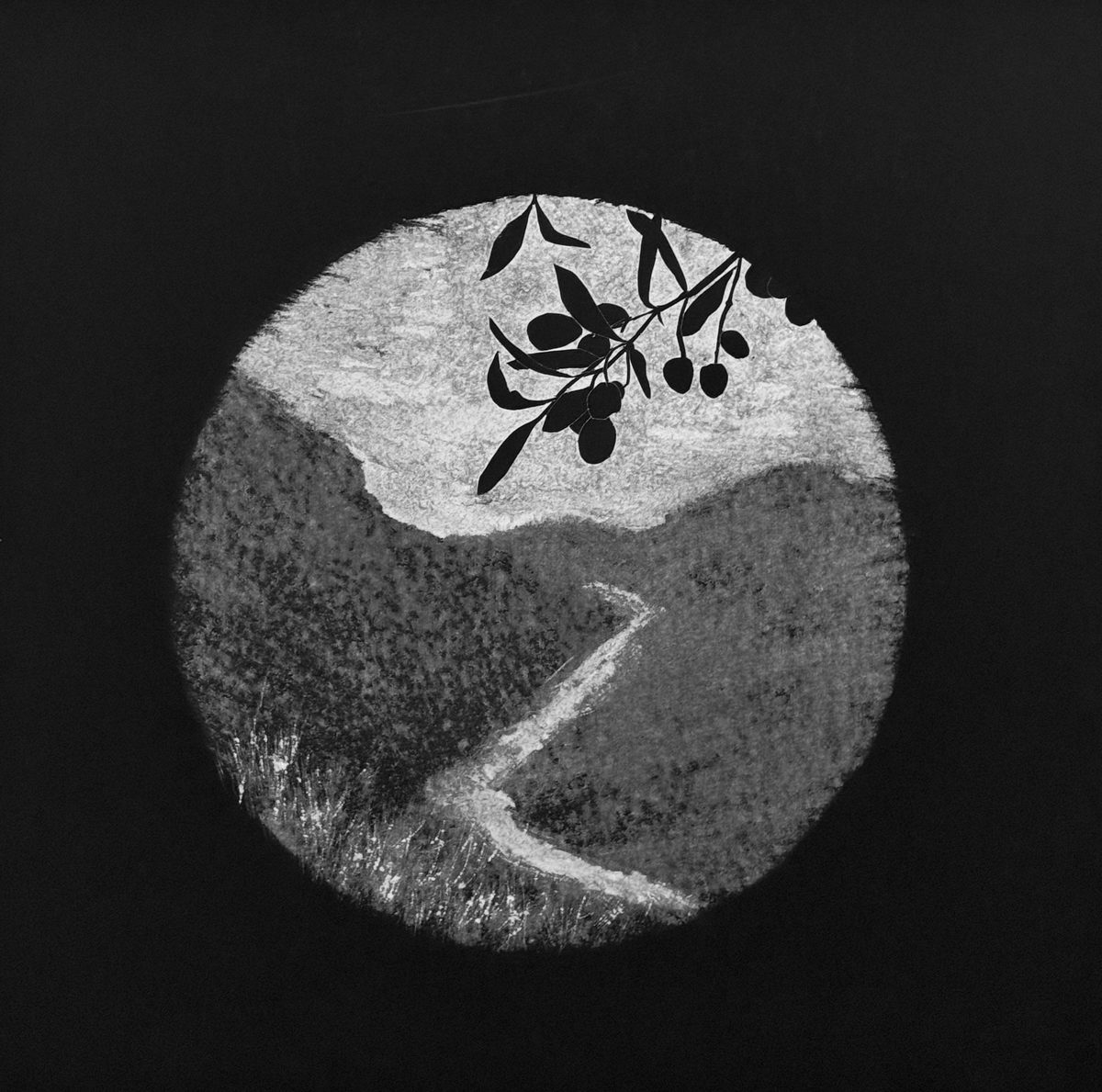
Van Noordenburg said decay can be a “beautiful thing”, honestly capturing the idea of mortality.
“If we look at the still lifes of the past… Vanitas is about decay, it’s about the idea that everything ends in death, no matter what,” he said.
But he remains cautious about aestheticising suffering.
“Especially if we’re looking at works that are dealing with humanitarian issues and humanitarian suffering, then I don’t want to call it beauty,” he said.
He added that while some viewers may interpret the black and white colour palette of his work as negative, the meaning is not explicitly “spelled out”.
“Nothing in my work is actually spelled out,” he said.
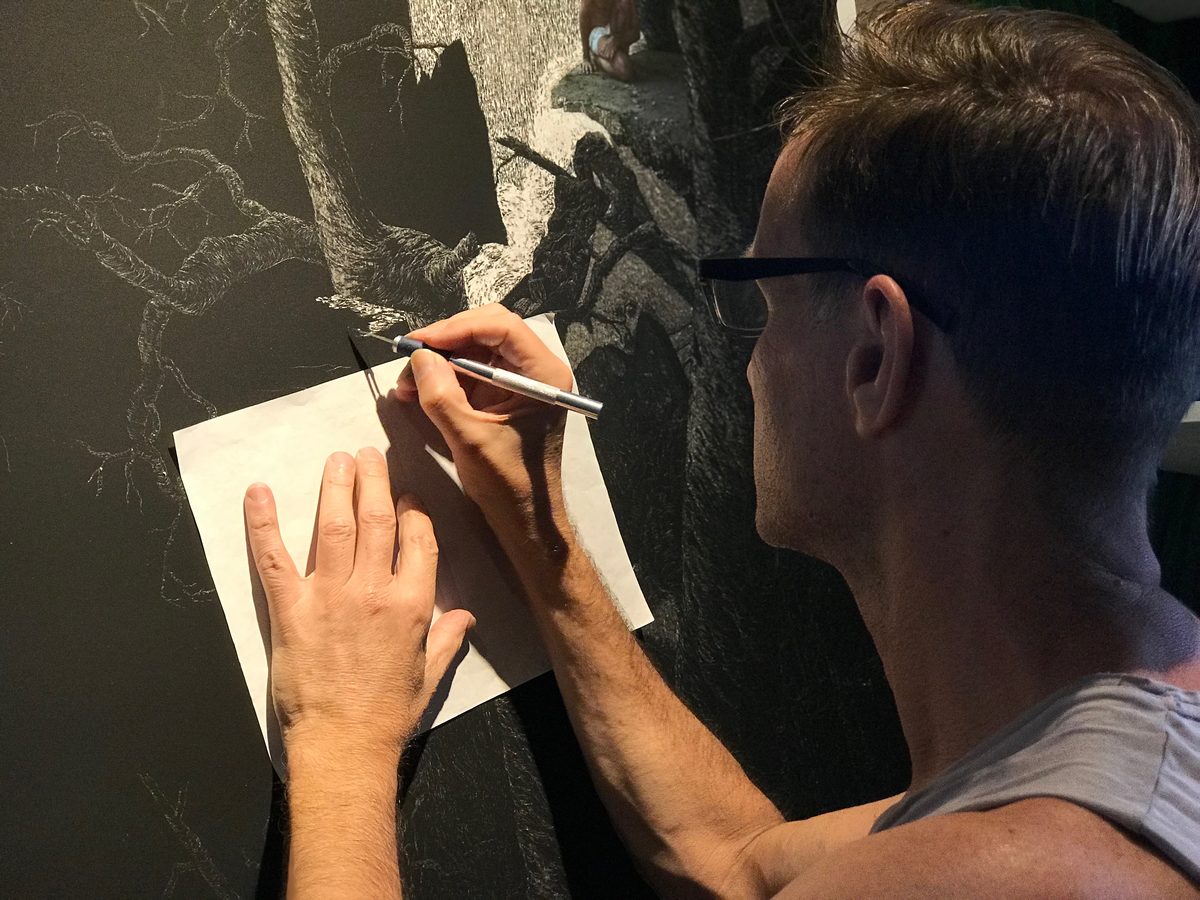
Van Noordenburg also builds that sense of beauty and fragility into the works themselves, carving directly into paper using knives and sandpaper in a process resembling techniques such as sgraffito and etching.
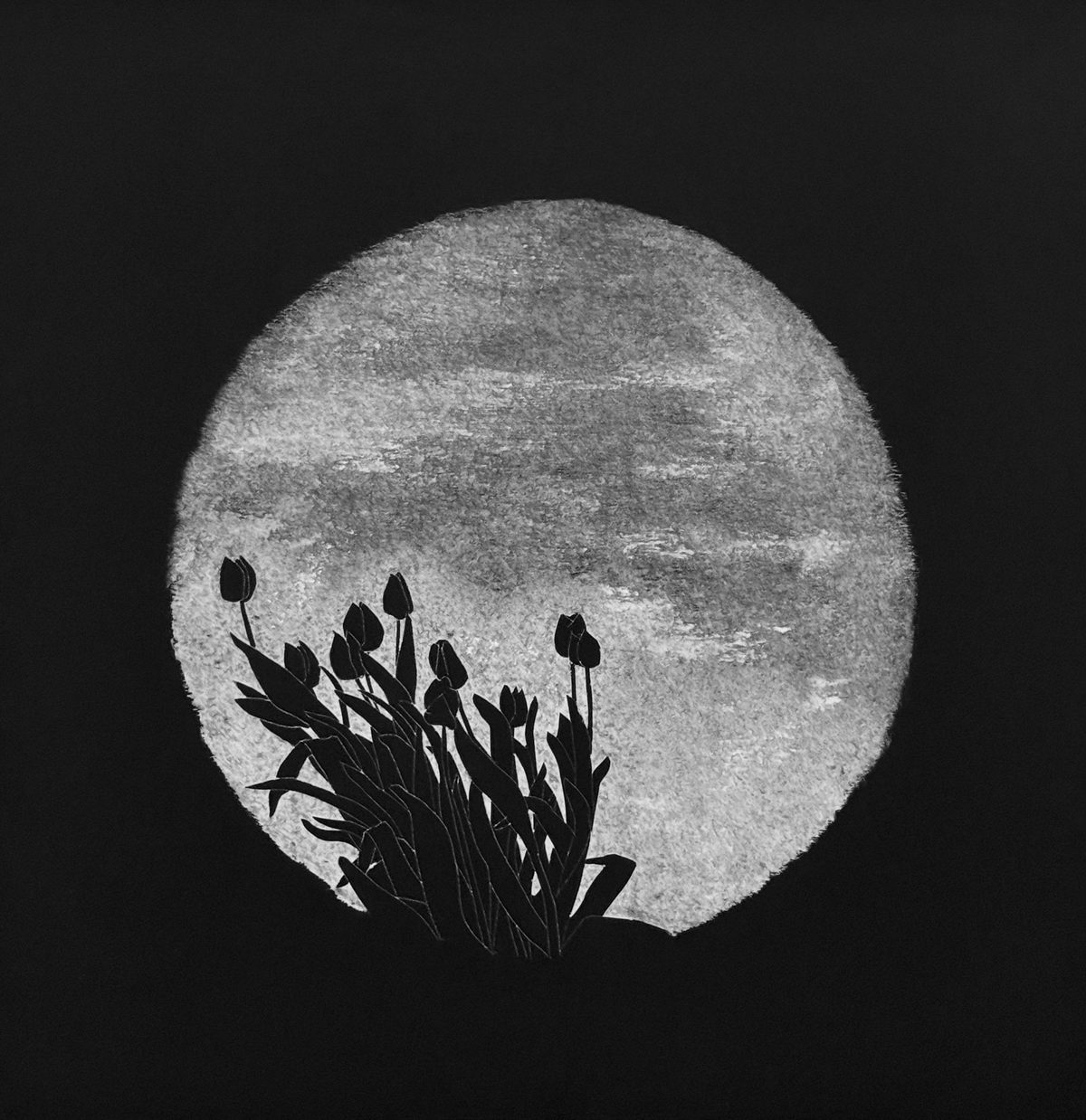
“You could say that I’m scarring the paper,” he said.
He said this process intentionally weakens the material so that it mirrors the humanitarian fragility explored within his imagery.
“By doing so, I’m making even the paper very fragile,” he said.
“I’m talking about things that are fragile in terms of conceptually how the human is placed in a fragile way by other humans.”
Van Noordenburg said he felt honoured to exhibit alongside the other artists selected for the Indelible exhibition, with the lineup including Kirsten Coelho, Michael Cook (Bidjara), Dan Elborne, Sarah Rayner and Dylan Sarra (Taribelang/Gooreng Gooreng).
“I feel very lucky to be part of this lineup of artists…” he said.
Curated by Tina Wilson, Indelible: The Poetry of Decay will run from 30 May until 16 August at Tweed Regional Gallery & Margaret Olley Art Centre.
The final work in the exhibition was created by van Noordenburg live on opening night during a sold-out performance event with multi-instrumentalist Cye Wood and is now on display.
Share


Related Articles

Jetskiing Border Collies and rescue dog heroes feature in Top Dog Film Festival at Brunswick Picture House
FROM surfing labradors to paralysed street dogs finding a new…
Pt. Roadknight to The Eltham Hotel
AUSTRALIAN folk singer-songwriter Leah Senior will bring her latest album…