Budget infrastructure funding could unlock Northern Rivers housing
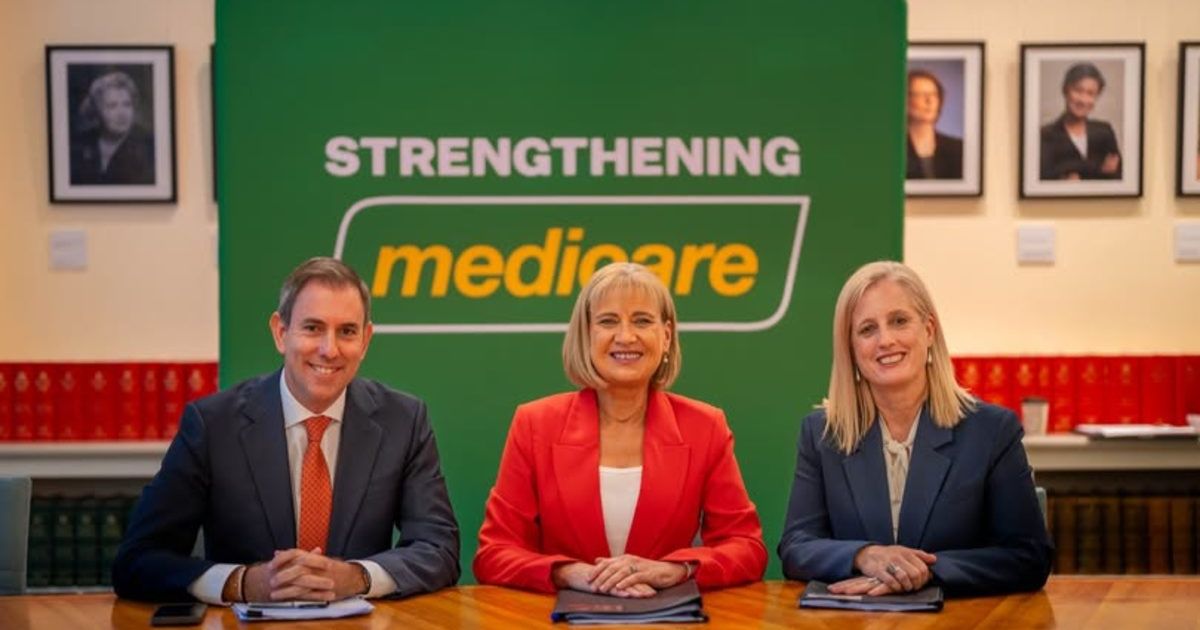
Treasurer Jim Chalmers, Justine Elliot MP and Minister for Finance Katy Gallagher. Photo: APH.


A $2 billion federal budget commitment to housing-enabling infrastructure has been welcomed as a major opportunity for the Northern Rivers, as Richmond MP Justine Elliot and Business NSW both pointed to housing supply as one of the region’s biggest economic challenges.
The Federal Government handed down its 2026-27 Budget on Tuesday night, with measures focused on tax relief, housing, health spending and cost-of-living support.
Elliot said housing affordability remained one of the biggest pressures facing Australians.
“Right now, it’s too hard for too many Australians to get into the housing market and get ahead, but Labor’s reforms to how capital gains tax and negative gearing work will help to address that,” she said.
The budget includes additional tax relief for workers, changes to negative gearing and capital gains tax concessions aimed at improving housing access, and a new $1,000 instant tax deduction due to begin next financial year.
Elliot said an average Australian worker could benefit by almost $3,000 by 2028 when combined with existing tax cuts.
The budget also includes a $25 billion Commonwealth investment in public hospitals, permanent funding for Medicare Urgent Care Clinics and cheaper medicines.
Elliot said more than 5,400 people had visited the Tweed Heads Medicare Urgent Care Clinic and more than 2.6 million cheaper medicine scripts had been filled across the North Coast.
Business NSW Northern Rivers regional director Jane Laverty said the budget’s strongest opportunity for the region was the $2 billion investment into water and sewer infrastructure to unlock new housing.
“The Northern Rivers doesn’t just have a housing supply challenge, we have an enabling infrastructure challenge,” Laverty said.
“We can’t continue talking about housing targets while regional communities are still waiting on the water, sewer, roads and supporting infrastructure needed to actually deliver homes.”
Under the budget changes, negative gearing will be limited to newly built homes from July 2027, while the 50 per cent capital gains tax discount will also be scaled back
Critics of the reforms argue the changes amount to baby boomers “pulling the ladder up behind them”, with existing investment properties grandfathered under the current rules while the Federal Government argues the reforms will help more younger Australians enter the housing market.
The Federal Government argues the broader package, including the $2 billion infrastructure commitment, will help unlock about 65,000 additional homes nationally, while economists said the budget was unlikely to alter the Reserve Bank’s outlook on interest rates.
Laverty said businesses across the Northern Rivers continued to face workforce shortages and difficulty attracting staff because of housing pressures.
“Businesses across the Northern Rivers are telling us the same thing – they cannot grow, invest or attract workers if people cannot find affordable and appropriate housing,” she said.
Social Futures chief executive Tony Davies said housing affordability and rising living costs remained major pressures across the Northern Rivers.
“In regions like the Northern Rivers, we continue to see housing demand far exceed supply, while rising rents and living costs are pushing more people into crisis,” he said.
Business NSW also welcomed the permanent extension of the $20,000 instant asset write-off for small businesses with turnover under $10 million.
“Regional businesses are resilient, innovative and prepared to invest, but they need the right conditions around them,” Laverty said.
“Enabling infrastructure, workforce housing and regional productivity are deeply connected.”
Master Builders Australia also warned the housing reforms could still slow construction activity despite exemptions for new builds.
Elliot said the budget would help build “a stronger, more resilient economy that works for more people”.. – with AAP
Share


Related Articles
Bundjalung artist Bronwyn Bancroft to share her story at Small SHIFT I Will Survive fundraiser in Byron Bay
SHE was recently named winner of the Red Ochre Award…
Business and community leaders to hit the dancer floor for Cancer Council fundraiser
THE Stars of Ballina Dance for Cancer is set to…