Coordinated crackdown curbs invasive plant spread along the Richmond River
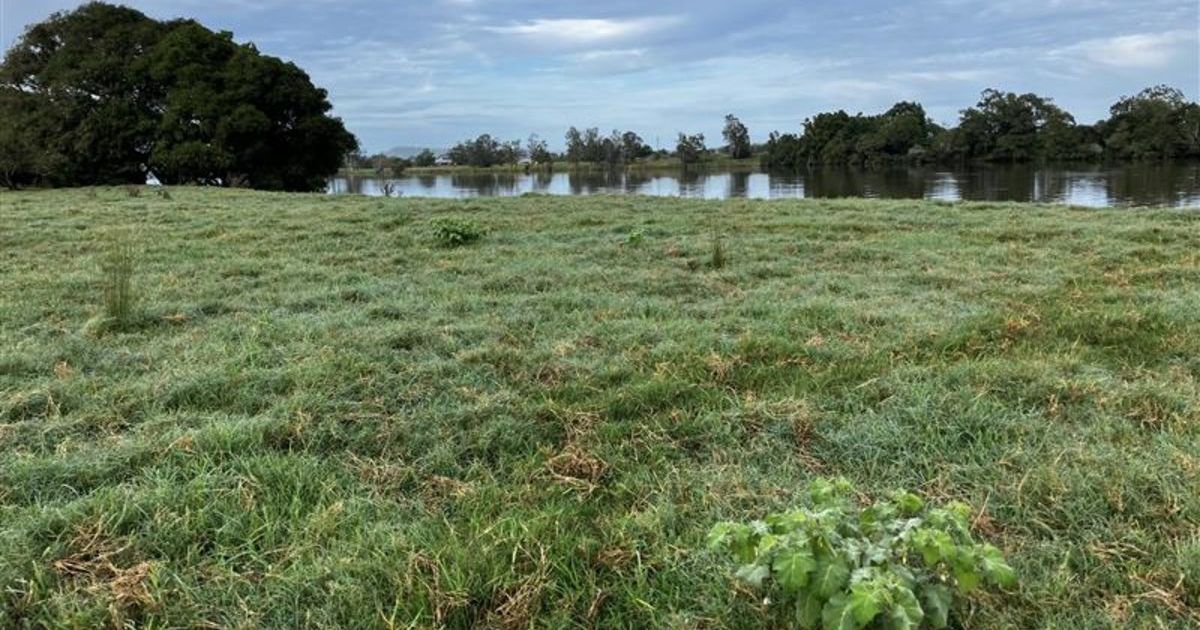
Rous County Council is working to control the spread of Tropical soda apple along the Richmond River. Photo: RCX.


A large-scale weed control campaign spanning more than 130 kilometres of the Richmond River has tackled the spread of Tropical soda apple, helping protect farms and waterways.
Led by Rous County Council and funded through the state government’s Good Neighbours Program, the project targeted high-risk areas where the highly invasive weed is most likely to spread.
Work focused on the Richmond River and its tributaries, which can carry Tropical soda apple seeds downstream and accelerate the weed’s expansion across the region.
Tropical soda apple is regarded as a serious biosecurity threat due to its ability to establish quickly, reduce agricultural productivity and invade natural habitats.
Its spread through river systems makes early detection and coordinated management critical.
Rous weed biosecurity manager Philip Courtney said the scale of the operation was substantial.
“The project followed more than 130 kilometres of the Richmond River corridor and included more than 80 riverfront properties infested with TSA, covering an area of more than 600 hectares,” he said.
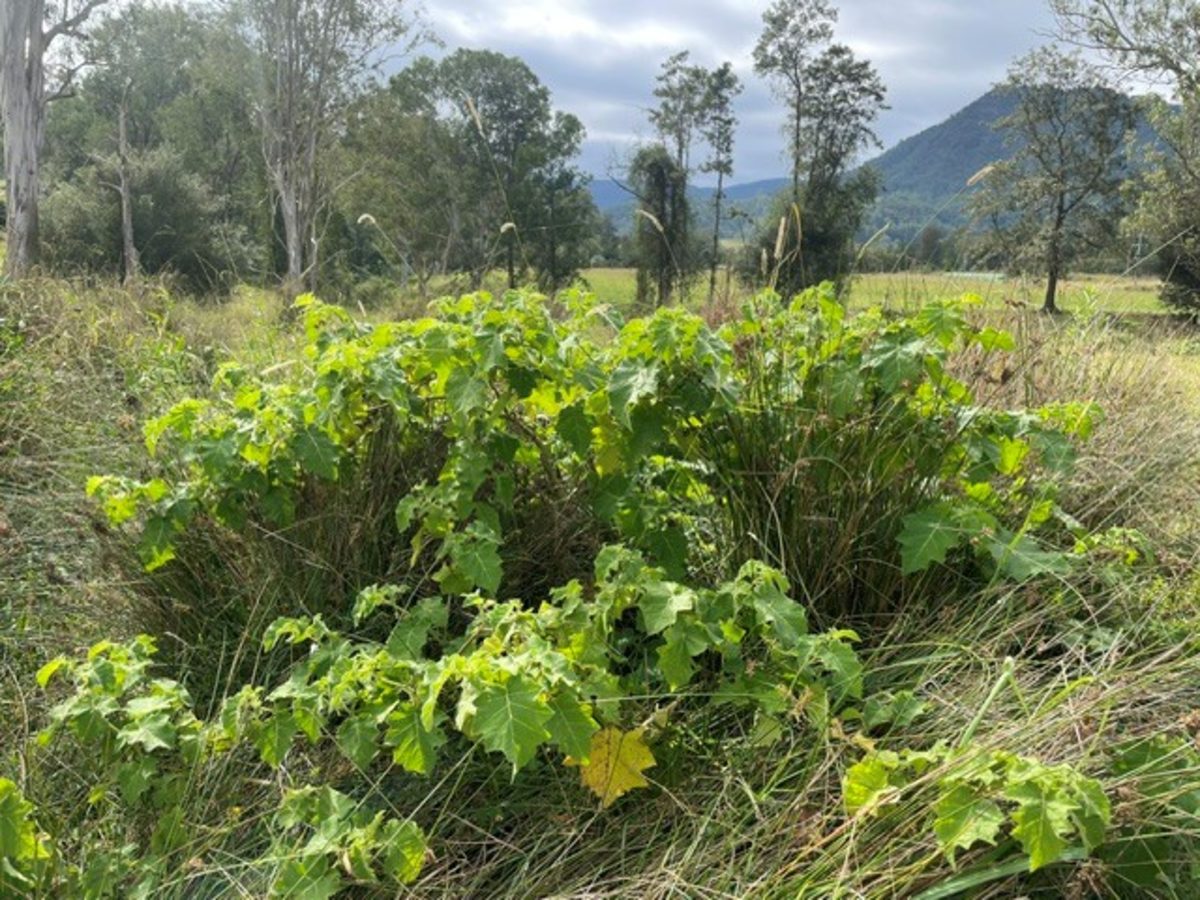
“Our Weed Biosecurity Officers also partnered with local contractors in a joint effort to contain existing infestations and reduce further growth.”
Accessing some riverbank areas proved challenging, prompting the use of multiple surveillance methods.
“To ensure full coverage of riverbank areas, the team spent weeks kayaking and boating along the Richmond River,” Courtney said.
“This was supported by aerial surveillance flights to identify any infestations that may have been missed during ground and water searches.”
“Continued monitoring of regrowth by landholders and Rous Weed Biosecurity staff will be essential to maintaining progress.”
Rous general manager Phillip Rudd said collaboration between agencies, landholders and contractors had been central to the project’s success.
Good Neighbours program assistant project officer Matt Fuller said Tropical soda apple posed a significant threat across northern NSW.
“TSA poses a significant threat to the ecological balance, agricultural productivity and biodiversity right across the North Coast and Northern Tableland,” Fuller said.
“By taking a multi-agency, multi-project approach, the program applied a nil-tenure model, coordinating a collaborative, landscape-scale strategy.
“This has resulted in a significant reduction of TSA across the treated areas, protecting the river systems and biodiversity further downstream.”
Share


Related Articles

Bundjalung artist Bronwyn Bancroft to share her story at Small SHIFT I Will Survive fundraiser in Byron Bay
SHE was recently named winner of the Red Ochre Award…
Business and community leaders to hit the dancer floor for Cancer Council fundraiser
THE Stars of Ballina Dance for Cancer is set to…