Flood report offers hope, but leaves questions for the Tweed
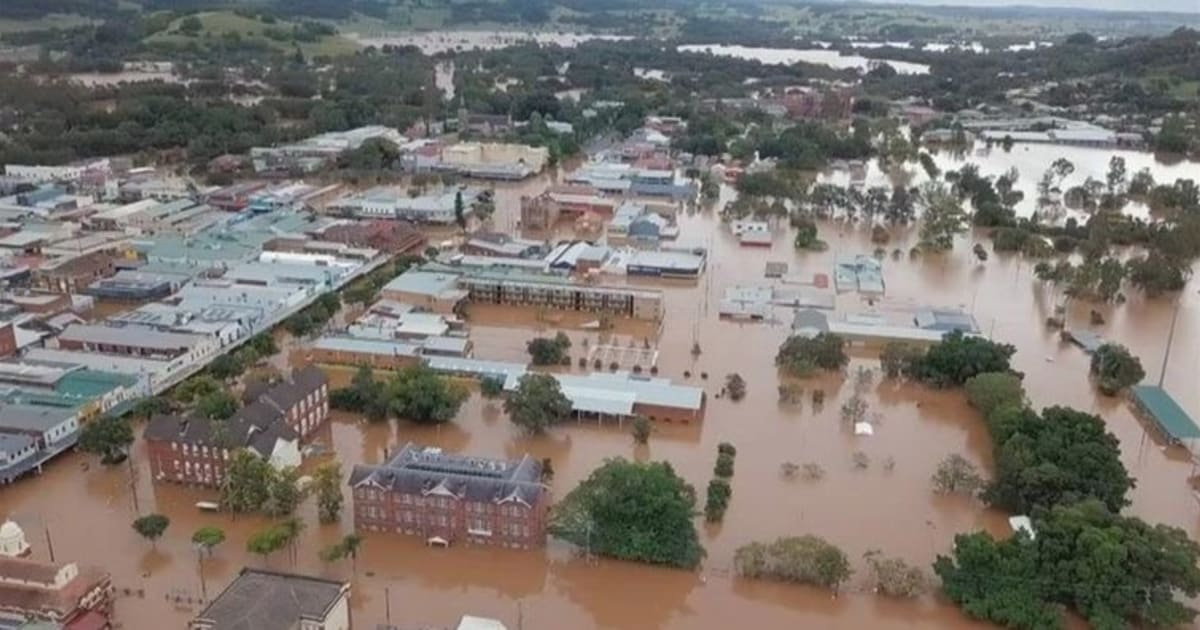
A landmark CSIRO report has found flood mitigation measures could have reduced flood levels in Lismore by more than two metres during the devastating 2022 floods, providing fresh evidence that the impact of future floods across the Richmond River catchment could be reduced. Photo: File.


A landmark CSIRO report has found flood mitigation measures could have reduced flood levels in Lismore by more than two metres during the devastating 2022 floods, providing fresh evidence that the impact of future floods across the Richmond River catchment could be reduced.
For communities in the Tweed, however, the report also raises questions.
The four-year study was limited to the Richmond River catchment and did not include the Tweed River or the Tweed’s coastal creek systems, despite the Tweed also being severely affected by the 2022 floods.
Released this week, the final report from the Northern Rivers Resilience Initiative combines advanced flood modelling, historical flood data and extensive community consultation to identify ways of reducing flood impacts across the Richmond River catchment.
The modelling found strategically located water detention areas, wetland restoration and other infrastructure upgrades could reduce flood peaks, flood depth and the extent of inundation across the catchment.
Under the most comprehensive package of proposed measures, flood levels in Lismore during the February 2022 flood could have been reduced by as much as 2.07 metres.
CSIRO hydrologist Dr Jai Vaze said while floods could never be prevented entirely, the modelling showed their impact could be reduced.
“No one can stop a flood from happening,” Dr Vaze said.
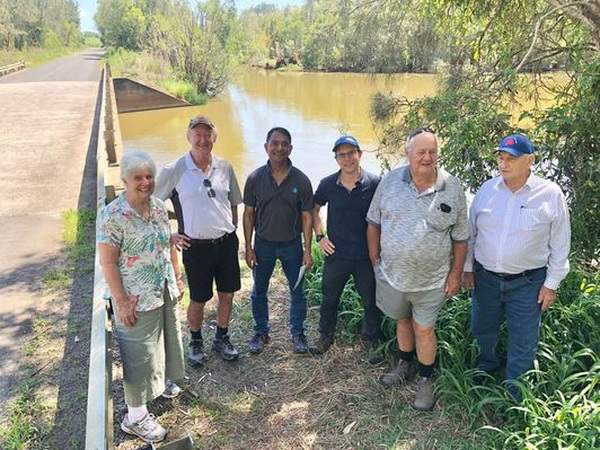
“While we might not be able to prevent a flood like 2022, with a coordinated approach we can reduce flood heights and impacts, which can help lessen damage and support future resilience for the community.”
Dr Vaze said the findings demonstrated the potential of coordinated flood mitigation.
“To be able to show how the water level could be reduced by up to 2.07 metres for such a major flood is substantial and goes a long way towards helping the region as well as governments,” he said.
NSW Minister for Recovery Janelle Saffin said the report offered hope for communities across the Richmond River catchment.
“My reading of this report gives us real hope because it shows technically that flood levels can be lowered across all four local government areas in the Richmond River catchment – Kyogle, Lismore, Richmond Valley and Ballina,” she said.
The Australian and NSW governments have committed a combined $3 million to assess the technical, environmental, economic and social feasibility of the proposed mitigation measures before any decisions are made on future flood infrastructure.
The Tweed was also among the regions hardest hit during the 2022 disaster.
The Tweed River at Murwillumbah peaked at 6.5 metres, more than 2,100 homes were damaged and about 1,600 residents were displaced.
At the height of the flood, Murwillumbah could only be reached by boat.
Share


Related Articles
Sporting facilities rebuilt stronger after 2022 floods
MORE than four years after the 2022 floods, rebuilt sporting…
Local health, education projects to receive multi-million-dollar injection through state budget
NEW ambulance stations, expanded maternity services and ongoing flood recovery…