Historic Murwillumbah organ turns 100
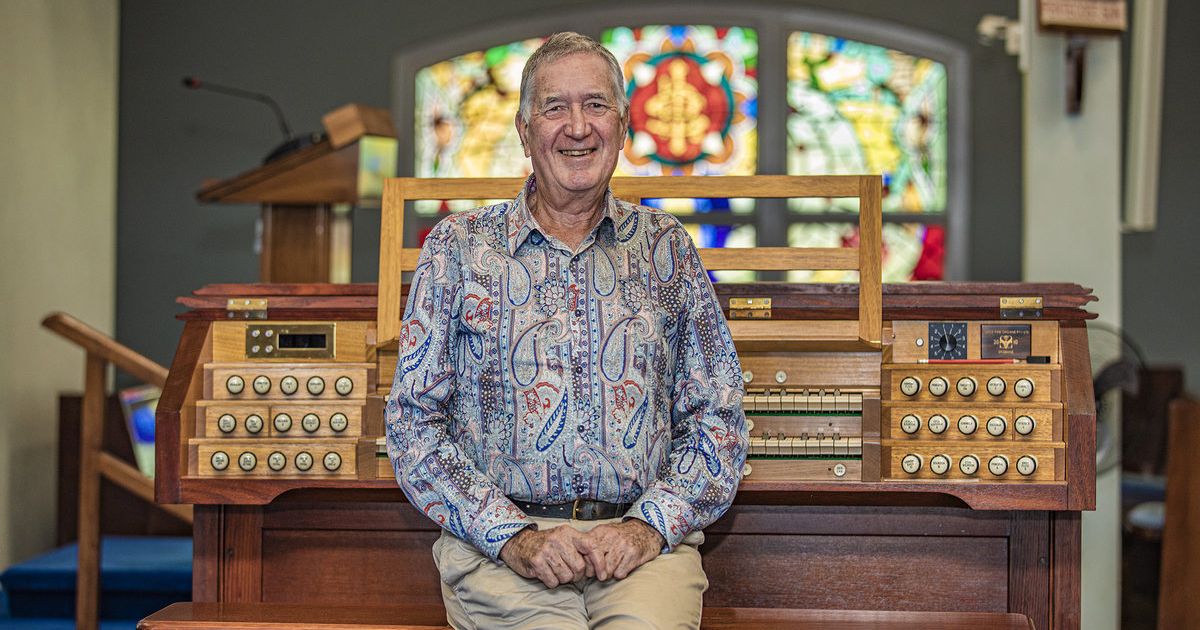
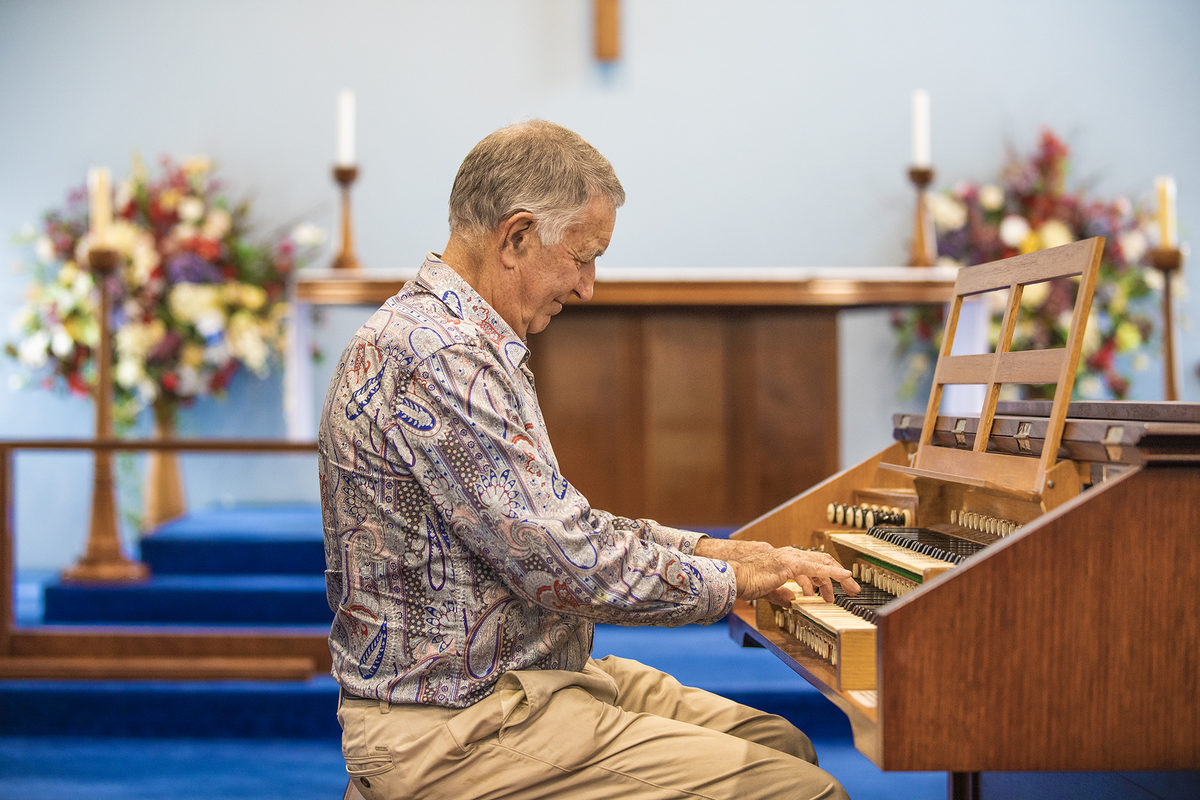
Volunteer organist and All Saints Anglican Church member Barry Firth. Photo: David Cope.


THE historic C W Leggo organ at All Saints Anglican Church in Murwillumbah turns 100 in June, with a weekend of performances celebrating a century of music in the town.
Volunteer organist and church member Barry Firth said the instrument is notable not only for the church, but as an example of Australian organ-building history.
“It was purchased directly from the organ builder in Sydney in 1926,” Firth said. “So, it’s important to know that it’s an Australian built organ.”
Firth said the instrument belonged to “a post-war pinnacle of organ building”, with Charles Leggo among a small group of respected Australian builders working at the time.
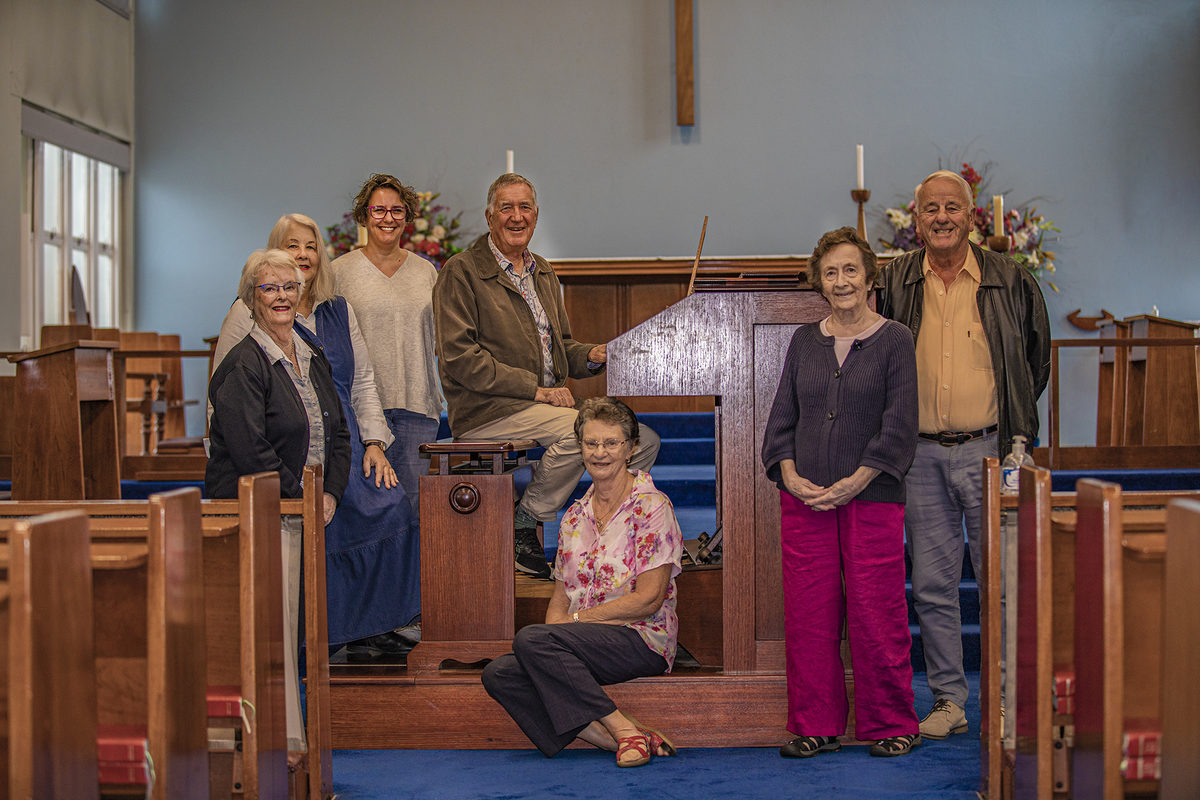
“A lot of organs were brought into this country from England,” he said. “But Leggo made a particular claim that his instruments would do better in the harsh Australian climate.”
The organ predates the current church building by more than three decades and was relocated when the present All Saints church opened in 1960. Firth said the move proved an unexpected success.
“Magically, the match between the instrument and its acoustic environment in the ‘new’ building, dating from 1960, has turned out to be perfect,” he said.
The organ was recognised in 2008 when it was declared “of significance in the State of New South Wales” by the Organ Historical Trust of Australia.
Celebrations on June 13 and 14 will feature musicians and choirs including Lismore organist Warren Whitney, singers from the Lindisfarne School choir, and choristers from St Carthage’s Cathedral.
“Warren Whitney is a very well-known organist who plays at both the Catholic Cathedral and the Anglican Church in Lismore,” Firth said. “He has come and brought a lot of music to our church over the years, and he was very much involved when we did the major technical development of our organ in the year 2010.”
The weekend will also include performances from guest organist Phillip Gearing, the Murwillumbah Philharmonic Choir, and members of the Chillingham Voices Community Choir.
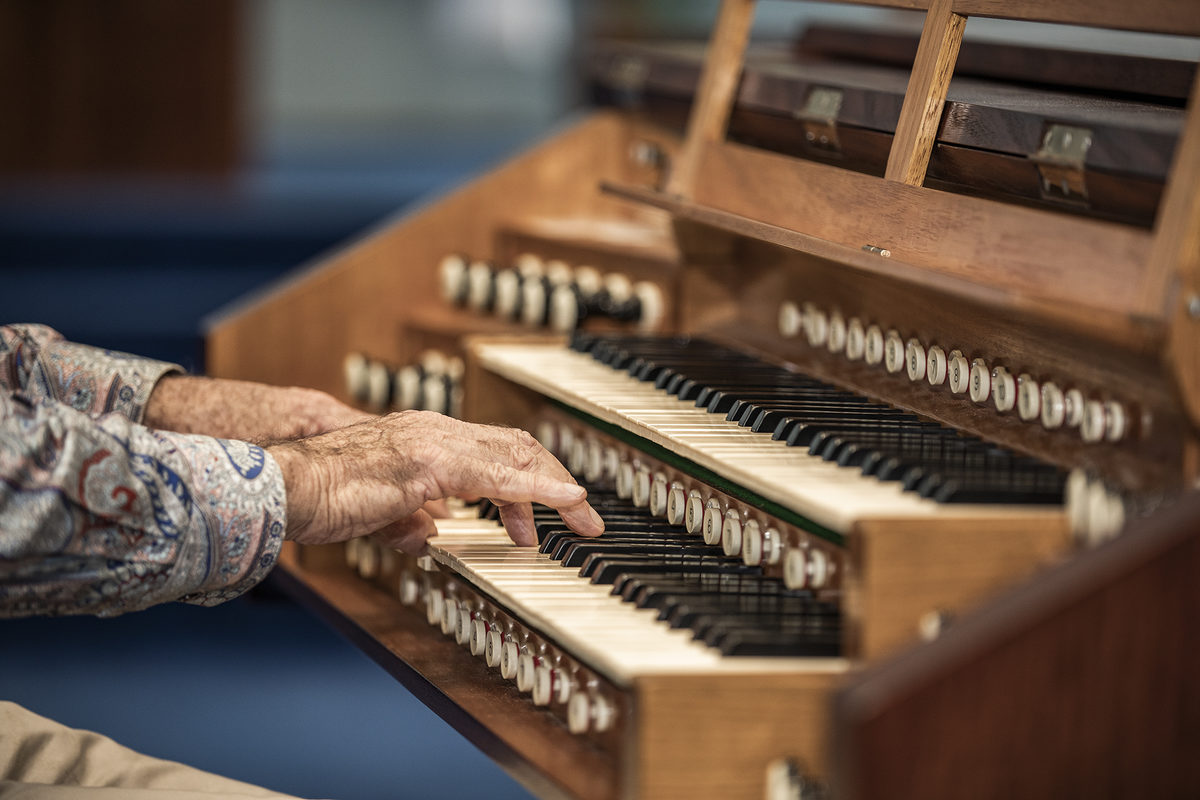
Firth, who began learning the organ after joining the church in 2017, said the instrument remains special because of its “richly varied” and often human-like sound.
“The sounds of the organ are richly varied because of the different types of pipes,” he said. “It’s got two keyboards and a pedalboard, and those parts of the organ are matched to sets of pipes—ranks of pipes, we call them. And also, the sound is produced by air, which makes it the same type of sound production as singing.”
The centenary is an opportunity to revive appreciation for instruments that were once central to community life.

“I must say, back in 1926, it was big news when we got our organ,” Firth said. “And I think it’s true to say today that the awareness and appreciation of the organ is probably at a lower ebb today than it was then. We’re marking the beginning of the next 100 years.”
All Saints Anglican Church Organ Centenary will run on June 13 and 14 at All Saints Anglican Church in Murwillumbah.
A celebration dinner will be held at Murwillumbah Services Club on June 13.
Share


Related Articles
Five people rescued after kayak and yacht emergencies off Northern Rivers coast
Marine Rescue NSW volunteers responded to two separate maritime emergencies…
Unified awards program to celebrate businesses across the shire
THE Alstonville Wollongbar Chamber of Commerce will be incorporated as…