Inside the revival of an ancient weaving tradition
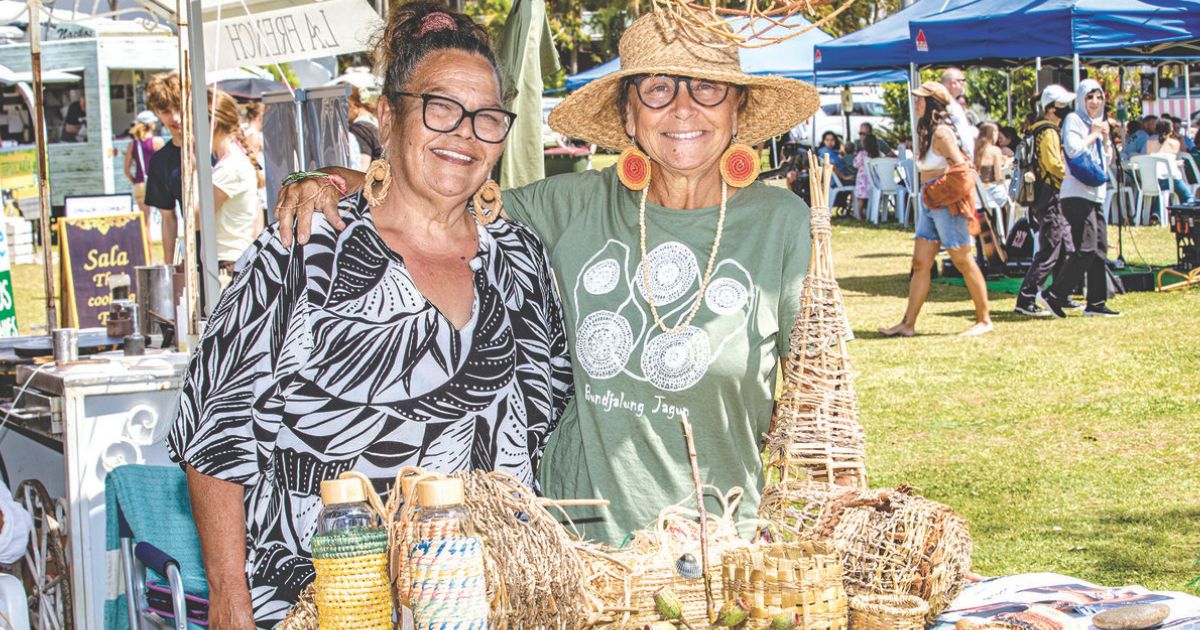
Tania Marlowe and Deb Cole from Jugan Dandii at Byron Beachside Market. Photo: DAVID COPE


Indigenous women have gathered for generations to weave objects such as baskets, bags and earrings from natural materials. But as these ancient traditions come under growing pressure from modernisation, two women – connected by a shared passion for their craft – have come together to preserve their culture and share their skills with the community.
Tania Marlowe and Deb Cole met through mutual friends 15 years ago, when Marlowe was working as an arts facilitator and educator for the Culture Matters program in Ballina, and Cole was supporting aged-care services at Jali Land Council while also freelancing as a weaving and wellbeing educator.
“We crossed paths at cultural gatherings and events and quickly formed a friendship, based on our mutual interest and enjoyment of weaving and all things cultural,” Cole said. “We started weaving together, which led to teaching workshops.”
They formed the partnership Jugan Dandii, meaning ‘Embrace the Earth’, and worked with the Northern Rivers Healing Hub in Lismore following the 2022 Northern Rivers floods, providing social wellbeing outreach in severely affected communities such as Coraki.
Marlowe is a Nyangbal Bundjalung woman from Ballina, known traditionally as Bullinah. She was inspired by stories shared by her Bundjalung Aunties from Cabbage Tree Island, who spoke of women weaving in the pre-mission and early mission days.
Her interest in weaving was reignited when she met Cole, Indigenous tour guide and Byron Shire Councillor Delta Kay and other weavers. She set about researching historical records and examples of pre-colonial weaving to help recover and revive traditional Bundjalung weaving practices.
Cole, who is originally from Melbourne but has lived in the Byron Shire for more than 30 years, had a brief introduction to the European style of basketry using cane rather than soft plant fibres in her early 20s.
Decades later she was taught to weave in the traditional manner by some women in a community in East Arnhem Land called Yirrkala, and discovered the potential values of social cohesion woven into the practice. She was inspired to connect with other weavers in the local community.
The pair now weave with both endemic and introduced natural plant fibres – including certain weeds – such as Lomandra, Bangalow palm, cabbage tree palm, and New Zealand flax.
“We also love Raffia, which is a commercial plant fibre from Madagascar that is imported here,” Cole said. “It loves colour in dyeing, so is a fun, soft, easy to use plant fibre and great for beginners.
Cole said that being a weaver fosters a mindset of immersing oneself in nature – observing, connecting, gathering natural materials, and preparing them with patience.
“Weaving is a peaceful calming practice, some would say an active mindfulness in practice, that is beneficial to mental emotional wellbeing, both as a solo practice or a social activity,” she said.
The pair also love weaving in a group and yarning to connect.
“It’s important for this knowledge and skill to be passed on to younger generations in the First Nations communities across Bundjalung in particular,” Cole said. “This coming together to learn and create is a wonderful way for diverse people to learn about each other and find deeper connection and mutual respect.
“Weavers have a wonderful tendency to teach one another in a circle, so we never stop learning, and quite a community of weavers has emerged in the Northern Rivers and beyond in recent years.”
The duo regularly showcase their practice at local markets, community events such as Ballina NAIDOC celebrations at the Northern Rivers Community Gallery, the annual Kinship Festival in Murwillumbah, and Northern Rivers Arts’ annual Art on Bundjalung.
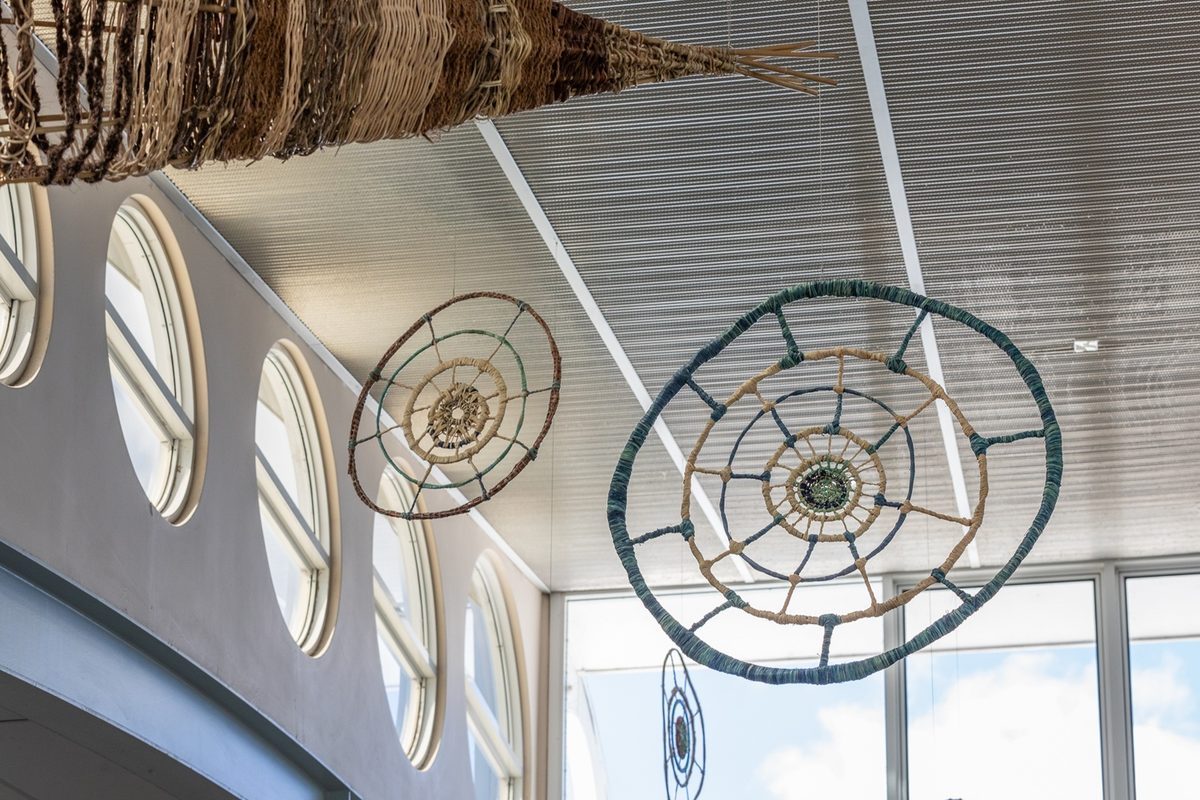
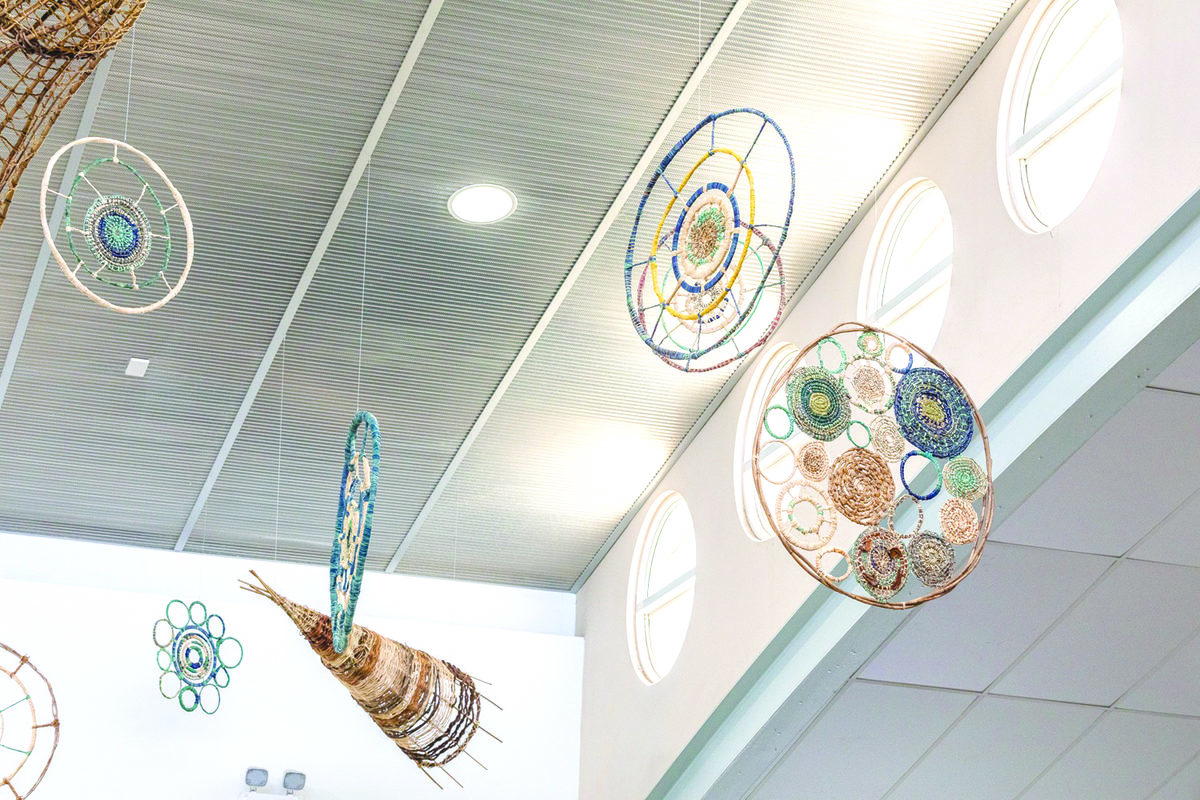
Marlowe was also commissioned by Ballina Shire Council to design a large sculptural installation which is on permanent display at Ballina-Byron Gateway Airport’s arrival terminal.
Djandamandii Jugun-Garima Jugan, which means acknowledge Country-Respect Country, is a series of woven fish traps and circular weavings made in collaboration with local Elders, artists and community members.
For information on upcoming events and workshops, follow Jugan Dandii . Embrace the Earth on Facebook.
Share


Related Articles
Press Council celebrates 50 years
The Australian Press Council is marking its 50th anniversary by…
Retirement living trends shift towards ‘right-sizing’ in lifestyle locations
A growing number of Australians are rethinking retirement, with “right-sizing”…