Local dolphin populations face an uncertain future – here’s how you can help
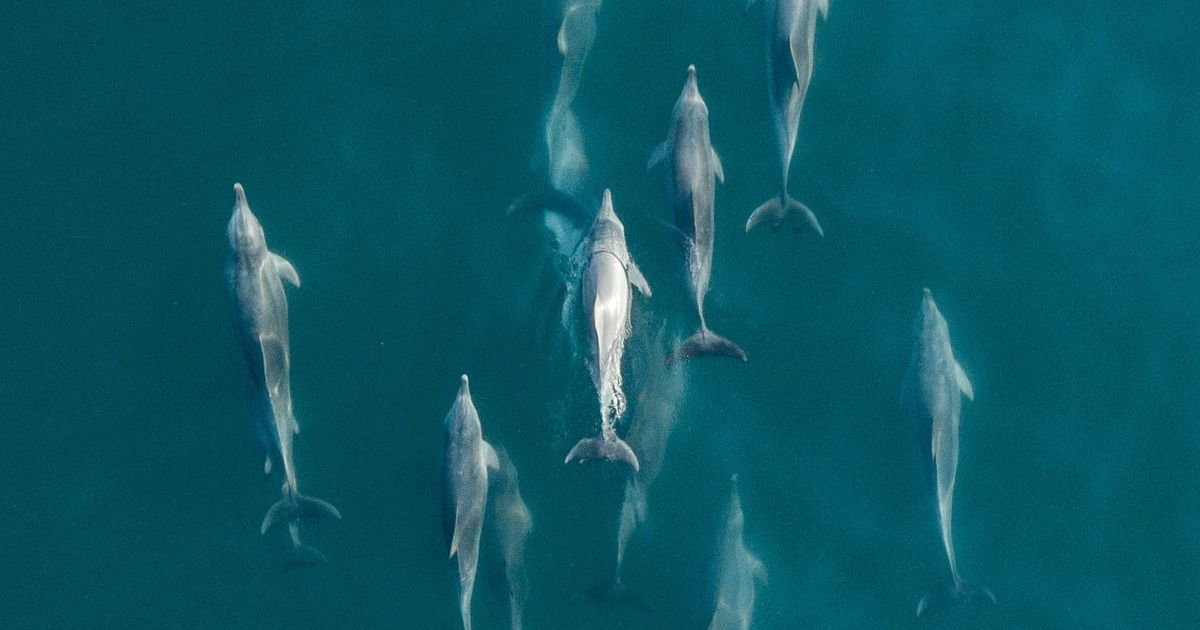
A pod of dolphins swimming along the coast near Byron Bay. Photo: Destination NSW


WATCHING dolphins frolicking from headlands such as Cape Byron Lighthouse in Byron Bay, Pat Morton Lookout at Lennox Head or Fingal Head Lighthouse is a cherished pastime for many locals – but many may not realise that they are observing a species at risk.
Indo-Pacific bottlenose dolphins are listed as near threatened on the International Union for Conservation of Nature Red List, a classification for species that do not yet meet the criteria for critically endangered, endangered or vulnerable, but are close to qualifying for a threatened category in the near future.
Dolphin Research Australia is working to change that. The grassroots marine conservation group recently received confirmation that the Byron Hope Spot – identified by Mission Blue as critical to ocean health due to its rich biodiversity – has been extended into the Tweed.
Renamed the Byron-Tweed Region Hope Spot, the protected zone previously spanned from the Richmond River at Ballina to Ocean Shores, at the northern tip of the Cape Byron Marine Park. It will now extend further north to the Tweed River at the NSW-Queensland border.
The region is recognised for its interconnected ecosystems, with wildlife and biodiversity closely linked across the zone, which supports more than 1,000 marine species.
Locals are being encouraged to contribute to conservation efforts by taking part in the first NSW Dolphin Census on May 30. The initiative will gather data on species present in specific areas, population estimates and photographic identification using dorsal fin shapes and distinctive markings such as scars.
Dolphin Research Australia CEO Elizabeth Hawkins said citizen science can help fill a knowledge gap about dolphins and play an important role in answering key questions to inform better management and provide protections for these animals.
“It’s surprising how little is known about most dolphin populations in our state,” she said. “It’s important to understand the level of risk and vulnerability they face due to habitat degradation, unsustainable fishing practices, climate change, noise pollution, poor water quality and coastal development.
“There’s a lot of competing pressures on these animals in our region.”
The dolphin census is being conducted in partnership with the NSW National Parks and Wildlife Service and is funded by the NSW Marine Estate Management Strategy.
Participants are required to complete a two-hour training session ahead of the census. Face-to-face workshops will be held at Hastings Point on May 15 and Lennox Head on May 23. An online webinar will also be available on May 27, followed by a self-paced eLearning course.
Register online at dolphinresearchaustralia.org
Share


Related Articles

Mayor defends council process as councillor expulsion sparks free speech debate
TWEED Shire mayor Chris Cherry has defended the decision to…
Bowlo legal battle begins as clubs invited to take over
THE Bangalow community has raised more than $10,000 in its…