New platform for black swans
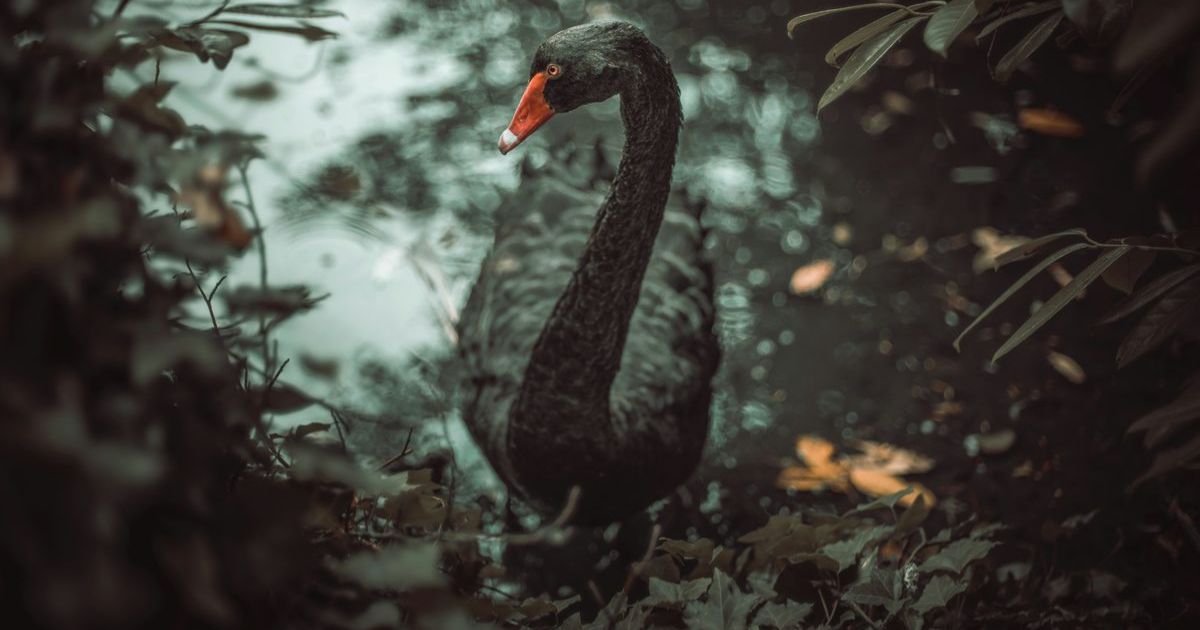
Tweed Shire Council has installed a floating roosting platform at Lake Kimberley in Banora Point, giving black swans a safer place to rest away from the shoreline. Photo: Zoltan Tasi


TWEED Shire Council has recently installed a floating roosting platform at Lake Kimberley in Banora Point, offering black swans a safer place to rest away from the pressures of life along the shoreline.
The initiative aims to reduce conflicts between wildlife and residents while supporting the birds’ breeding efforts and improving habitat conditions, as nesting attempts have often been disrupted by human activity.
Council’s project officer for waterways Matthew Bloor said the project was developed in response to ongoing tensions between the swans and the people who share the lakeside space.
“Over the years there has been a bit of conflict between people and swans down there at Lake Kimberley,” Bloor said.
“The swans like to use the lake but there’s not a lot of space for them to rest.”
“They have had several nesting attempts just on the fringe of the lake, however, there have been many failures due to walkers and dogs disturbing them.”
The floating roost offers a practical solution, creating distance between birds and people while reducing the likelihood of close encounters during nesting season, when swans can become particularly aggressive.
“It’s not much fun getting attacked by a swan when you’re out for your morning walk,” Bloor said.
The idea was also shaped by community concern.
“There were calls by some of the residents to provide some sort of solution,” Bloor said.
“So, it eventually became a council decision to install a roosting platform or a floating island for them.”
Designed with the birds’ comfort in mind, the platform includes small but important modifications.
“It was made out of a floating pontoon and then we modified it by adding ramps on either end,” he said.
“We also covered it in marine carpet, so that it doesn’t heat up as much in the sun over summer.”
For now, the installation is being treated as a trial, with council watching closely to see whether the swans adopt their new refuge.

“We’ll consider this a trial to begin with to see if the swans are going to use it,” Bloor said.
Similar projects elsewhere have proven successful.
“We were in touch with Sydney Olympic Park who have trialled a bunch of different floating islands for water birds, and they reported that all of them had been successful in terms of birds using them as a roost and for breeding,” Bloor said.
Even if the swans don’t take to it immediately, the platform may still find other residents.
“Whether swans will take to the roost on Lake Kimberley remains to be seen,” Bloor said.
“But maybe other species like pelicans and cormorants might even take to it.”
Bloor said the challenges seen at Lake Kimberley are common in areas where people and wildlife share limited space.
“Anywhere where there is a high density of people and local wildlife there is always the potential for some level of conflict or loss of birds,” he said.
He also said that public awareness would remain key to reducing those impacts, particularly during nesting periods when birds are most vulnerable.
“Public education is key to reducing the incidence of conflict,” he said.
“People need to be giving the birds enough space so that they’re not disturbed when they’re nesting.”
The floating roost forms part of a broader council effort to better protect local waterbird populations, as pressure from growing communities and shared public spaces continues to shape the region’s natural habitats.
Share


Related Articles
Five people rescued after kayak and yacht emergencies off Northern Rivers coast
Marine Rescue NSW volunteers responded to two separate maritime emergencies…
From hatted restaurants to fish and chips – why Luke Southwood made the switch
HE’S worked in some of the country’s most acclaimed fine-dining…