Rough sleeping falls, housing stress remains
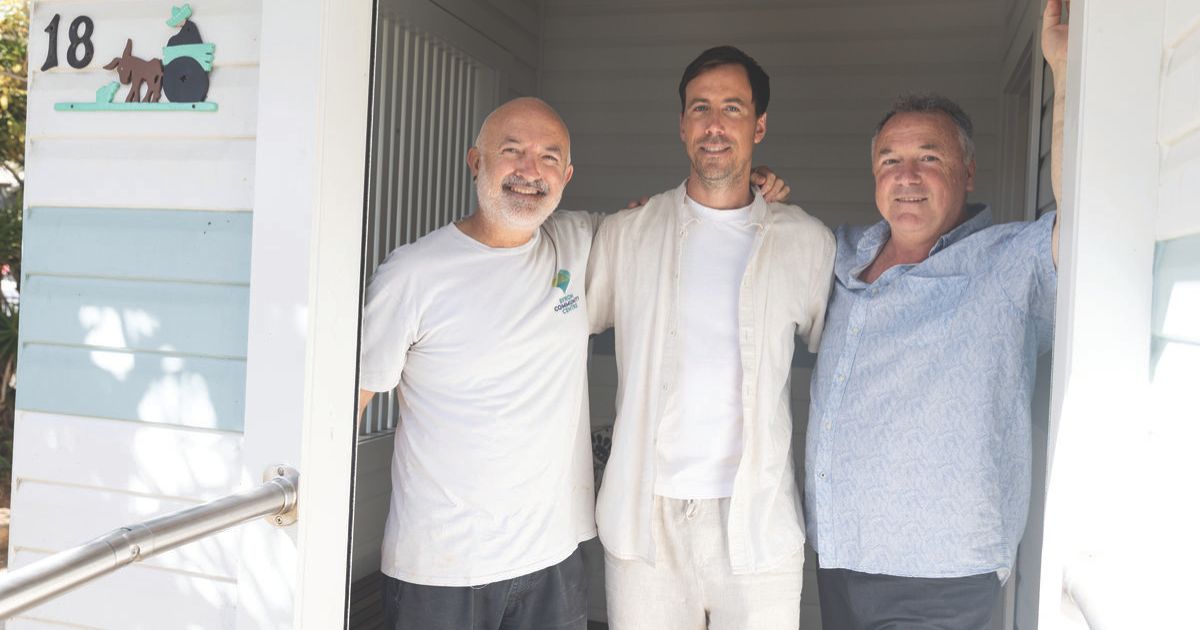
Fletcher Street Cottage manager Damian Farrell pictured on the right. Photo: Natalie Grono.


A ONE-day survey of homelessness across NSW has found rough sleeping continues to decline in many Northern Rivers communities, but frontline services say the housing crisis remains far broader than the figures suggest.
The 2026 NSW Street Count recorded 245 people sleeping rough in Byron Shire, down from a peak of 348 in 2024 and marking the second consecutive annual decline.
Similar downward trends were reported in Ballina and the Tweed Valley, even as the statewide rough sleeping count increased by 5 per cent to 2,308 people recorded in 2026.
Damian Farrell, manager of Byron Bay-based community support and homeless hub Fletcher Street Cottage, said the reduction reflected the positive impact of local collaboration and support services, but he warned significant hardship remained across the community.
“The 2026 NSW Street Count shows a continued reduction in rough sleeping across Byron Shire, which reflects the positive impact of coordinated outreach, frontline support services and collaboration across the region,” Farrell said.
“While the figures are encouraging, Fletcher Street Cottage continues to see strong demand for its services from people experiencing housing insecurity, financial stress and complex hardship, particularly women, older people and working locals struggling with rising housing and cost of living pressures.
“The Street Count remains an important indicator of trends over time, but it does not fully capture the broader scale of housing instability and hardship being experienced across the community.”
Founder of Tweed Shire-based not-for-profit charity You Have A Friend, John Lee, said the hidden reality of homelessness in the Tweed region is often missed in official counts and visible street populations.
“Yes, it might look like they’re down when you walk around the streets and you don’t see them there, but there are a lot of people in their cars and there are a lot of people moving around,” Lee said.
“There’s such a lack of housing around people trying to get into units and things like that.
“And my saying that I’ve worked on for many years is, if you don’t have a home, you won’t get a job, and if you don’t have a job, you won’t get a home.”
Farrell, who participated in the count alongside local service providers, outreach workers and community organisations, said the process provides a snapshot of rough sleeping across Byron Shire.
“Teams complete a training for the Street Count and are preallocated to different areas across the Byron Shire to identify and record a snapshot during one day on February 27, 2026 of people who are sleeping rough,” he said.
While the number of rough sleepers accessing Fletcher Street Cottage has gradually declined in recent years, Farrell said demand for support services remains high.
“We have seen a gradual reduction in the number of people sleeping rough who are accessing services at Fletcher Street Cottage over the past few years,” he said.
“At the same time, demand for support services remains very high, particularly from people experiencing housing insecurity, financial stress and complex hardship.

“We’re seeing increasing demand from women escaping domestic violence, older people facing financial stress and working locals struggling to keep up with rising housing and cost of living pressures.”
Farrell said the Street Count should be viewed as one indicator rather than a complete picture of homelessness in the region.
“The Street Count is useful for identifying trends over time, but it is still only a one-day snapshot,” he said.
“It doesn’t fully capture the complexity of homelessness or the movement of people experiencing housing instability across Byron Shire throughout the year.”
“Hidden homelessness is much harder to capture through the Street Count process.
“Many people experiencing hardship are temporarily staying with friends, living in overcrowded housing or sleeping in vehicles, and they may not be reflected in the final figures.”
The nature of hardship being experienced locally is also changing, according to Farrell.
“The cost of living crisis continues to place enormous pressure on people across the Byron Shire, including many who have never needed support services before,” he said.
“We are seeing more working individuals, families and older people struggling to afford housing, food, transport, utilities and other everyday essentials, with financial stress increasingly pushing people into hardship and unstable housing situations.”
Despite the positive trend in rough sleeping numbers, he said more affordable housing and support services were still urgently needed.
“There is still a significant need for more affordable housing, crisis accommodation and long-term support services across the Byron Shire,” Farrell said.
“While collaboration between local organisations and services is strong, demand continues to outpace the resources and support pathways currently available.”
Share


Related Articles

Press Council celebrates 50 years
The Australian Press Council is marking its 50th anniversary by…
Retirement living trends shift towards ‘right-sizing’ in lifestyle locations
A growing number of Australians are rethinking retirement, with “right-sizing”…