University research highlights evolution of human brain
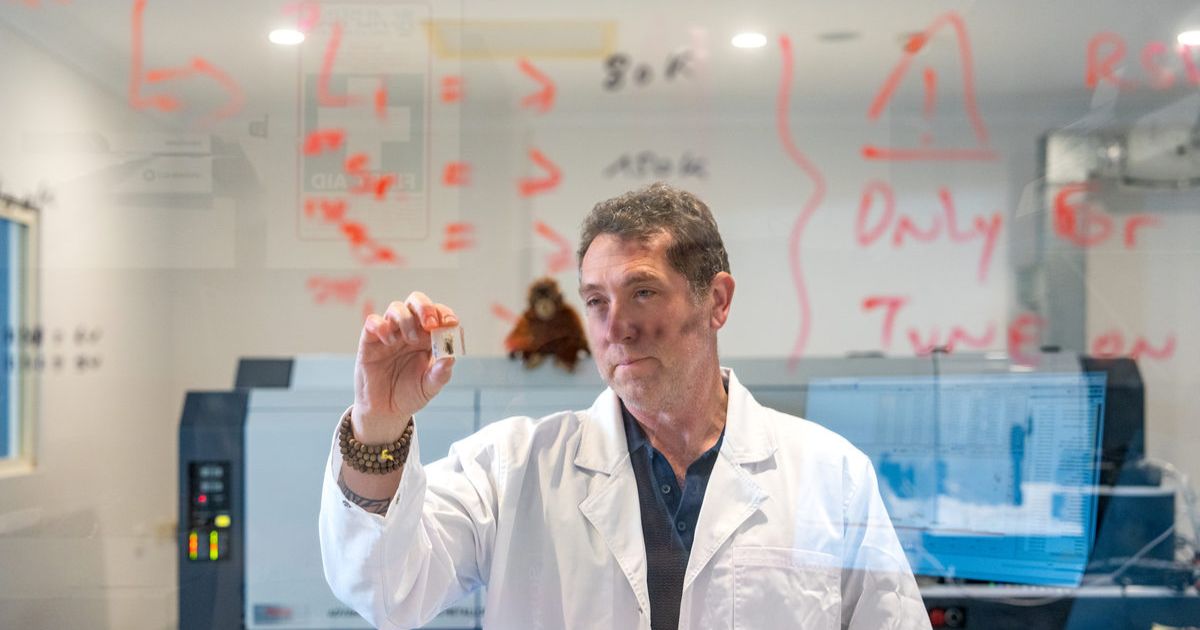
Professor Renaud Joannes-Boyau in the Biomics Lab at Southern Cross University's Lismore campus. Photo: SUPPLIED


A SOUTHERN Cross University geochemist has conducted a groundbreaking international study into lead exposure on the brain by examining fossil teeth from ancient human species.
Professor Renaud Joannes-Boyau found evidence of lead exposure stretching back two million years, with the toxic metal influencing the evolution of the human brain.
The research showed brain organoid models with Neanderthal genetics were more susceptible to the impacts of lead than human brains.
Until now, scientists believed lead exposure was largely a modern phenomenon linked to human activities such as mining, smelting and the use of leaded petrol and paint.
Professor Joannes-Boyau was assisted by a research team in the United States and used high-precision laser-ablation geochemistry equipment at Southern Cross University’s Lismore campus.
“Our data shows that lead exposure wasn’t just a product of the Industrial Revolution – it was part of our evolutionary landscape,” he said.
“This means that the brains of our ancestors developed under the influence of a potent toxic metal, which may have shaped their social behaviour and cognitive abilities over millennia.”
The study analysed fossil teeth from Africa, Asia, Europe and Oceania, using advanced geochemical mapping to identify patterns of childhood lead exposure.
The findings show how intertwined environmental toxins and human biology have been and warn that a vulnerability to lead may be an inherited legacy.
“Our work not only rewrites the history of lead exposure, it also reminds us that the interaction between our genes and the environment has been shaping our species for millions of years and continues to do so,” Professor Joannes-Boyau said.
Share


Related Articles
Preschoolers embrace culture and Country
TWEED Heads South Public preschool students have celebrated NAIDOC Week…
Music legends and local talent share the spotlight at Mullum Roots Festival
A diverse mix of musicians and music lovers came together…