Vaccine confidence is slipping in Australia as new report shows dramatic decline in uptake
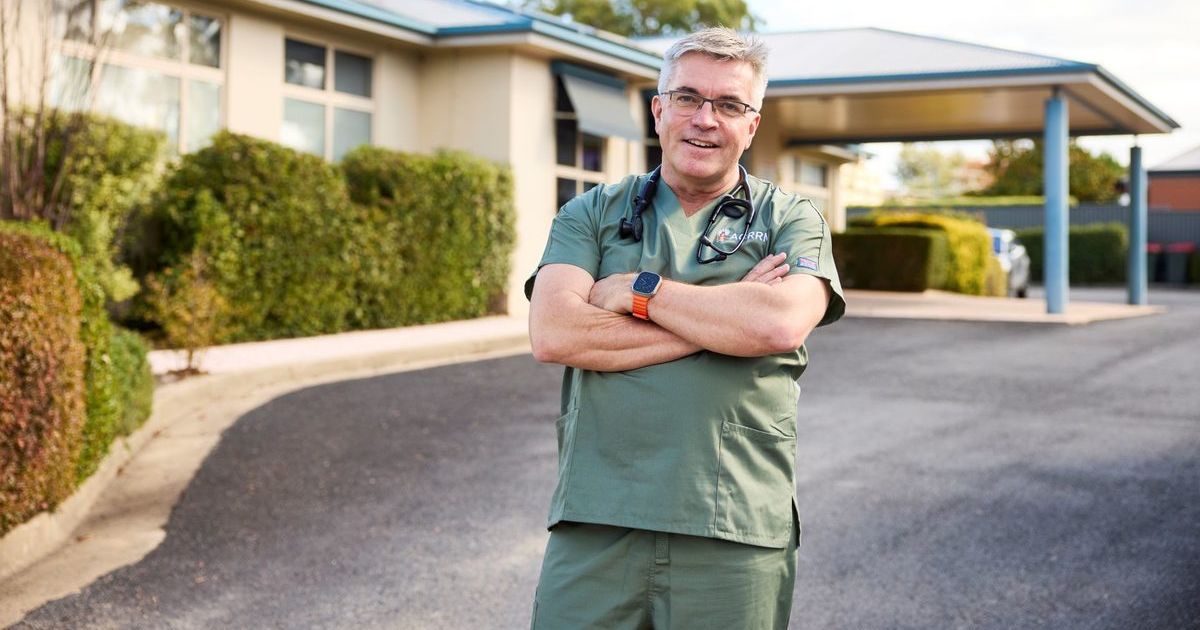
Australian College of Rural and Remote Medicine (ACRRM) President Dr Rod Martin. Photo: Supplied.


RURAL doctors are warning falling vaccination rates and rising hesitancy could endanger communities across Australia.
World Immunisation Week last week prompted renewed calls from the Australian College of Rural and Remote Medicine (ACRRM) for Australians to stay up to date with vaccinations.
“Vaccines save lives – it’s as simple as that,” ACRRM President Dr Rod Martin said.
“From childhood immunisations through to adult boosters, vaccines protect people at every stage of life and help prevent the spread of serious diseases in our communities.”
National figures show vaccination uptake is falling across all age groups, with hesitancy identified as a key factor.
“We are seeing concerning signs that vaccine confidence is slipping in Australia,” Martin said.
“The latest National Vaccination Insights report shows progressive declines in vaccine uptake across children, adolescents and adults over the past five years – and that should concern everyone.”
He said concerns about safety and trust are increasingly affecting uptake.
“Concerns about safety and a lack of trust in information are contributing to hesitancy, and we are seeing that play out in everyday consultations,” he said.
Martin said rural doctors play a key role in delivering immunisation services.
“Rural generalists are on the frontline – providing trusted advice, delivering vaccines, and ensuring patients don’t fall through the cracks,” he said.
“If we don’t address vaccine hesitancy now, we risk undoing decades of progress in preventing serious disease.”
The Pharmacy Guild of Australia also used World Immunisation Week to encourage Australians to seek vaccinations through local pharmacies.
“World Immunisation Week is the perfect time for patients to pop into their pharmacy and ask about vaccinations,” National Vice President Simon Blacker said.
“Pharmacists can check vaccination records, provide advice and administer a range of vaccines, including flu, measles, shingles and RSV.”
Blacker said pharmacies offer a convenient walk-in option.
“More people are coming to community pharmacy for their vaccinations – last year 1 in 4 vaccinations were administered in community pharmacy,” he said.
“It’s quick, convenient and you can often walk in and get it done straight away.”
He said vaccination remains important for people at higher risk of serious illness.
“We know vaccinations save lives,” Blacker said.
“They reduce the chance of you getting really sick and they reduce the chance of you making your loved ones seriously ill.”
Share


Related Articles
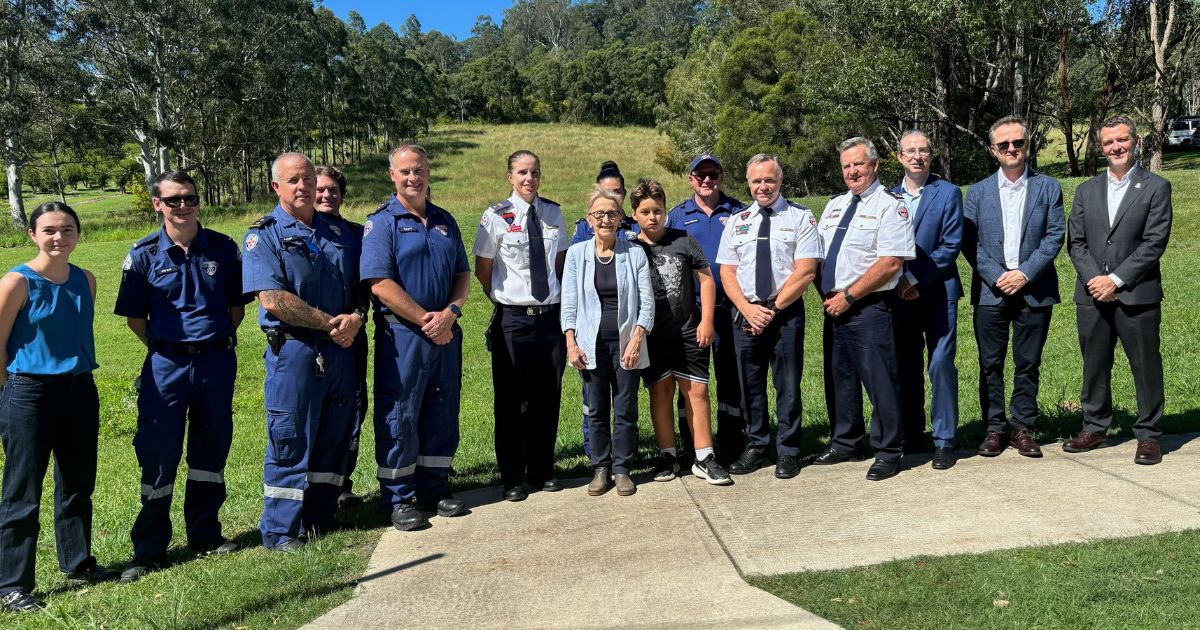
Local health, education projects to receive multi-million-dollar injection through state budget
New ambulance stations, expanded maternity services and ongoing flood recovery…
ED and surgical activity remains high as acuity levels rise across Northern NSW hospitals
EMERGENCY departments and surgical theatres across Northern NSW Local Health…