Research trip highlights ongoing flood and wet weather impacts on local sport

Locsl sport has dealt with washed-out games and field closures across the region for the past two seasons. Photo: 5010.


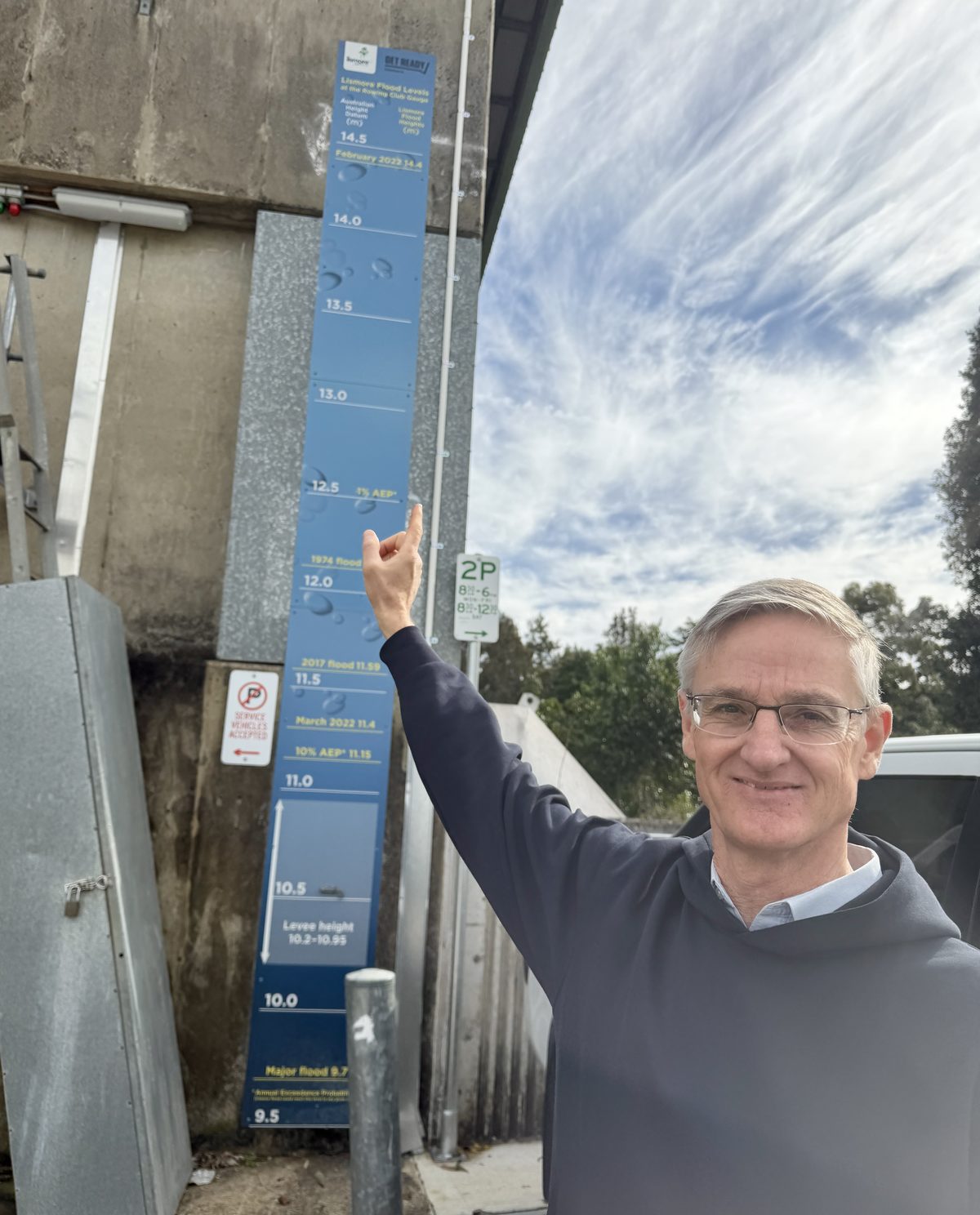
FOOTBALL Far North Coast has hosted academic Dr Greg Dingle, who visited Lismore after leading a study into how climate change and natural disasters put pressure on community sport.
Dingle, La Trobe senior lecturer in sport management, said his teams research offered a snapshot into how climate change is affecting sport at the community level.
“Seeing Lismore where some clubs and sports have struggled to return since the floods in 2022 was some of the worst impacts I have seen,” he said.
“There are also sub-catastrophic impacts where there isn’t a flood event, but extreme rainfall still disrupts sport.”
Researchers collected data from cricket, tennis, triathlon and soccer with participants noting decreased social benefits of sport when events were disrupted.
The findings reflect a growing pattern in which community sport is no longer only occasionally affected by extreme weather but has to adapt to repeated and compounding climate events that interfere with its competitions.
Dingle said the five key areas of impact were infrastructure, organisations, health and safety, and social and psychological effects.
Disruptions have a domino effect on participation and club viability, with financial pressures through increased costs and lost revenue.
“That includes cleaning up after flood events or bushfires, rebuilding facilities, and increased operating and capital costs,” he said.
“What starts as disruption at the ground level cascades through participation and then into the financial sustainability of clubs.”
Football Far North Coast general manager Steve Mackney contributed to the study and took Dingle around Lismore to meet with representatives from the council and other sports.
Mackney has seen the past two seasons significantly impacted by wet weather and washed-out games.
“Hundreds of players across the competition have not been able to get on the field at various points in the season,” he said.
“There are concerns about whether participation will have the same depth moving forward if people can’t rely on a consistent season.”
Despite this, Mackney said participation numbers in football across the region remain strong overall, though he warned that maintaining engagement could become more difficult if reliable access to weekly competition cannot be guaranteed.
He said administrators are beginning to explore whether traditional seasonal structures could be adjusted, though any major change would bring significant challenges given weather constraints, school holidays and an overlap with other sports.
“We’ve had conversations across different sports and organisations, and what becomes clear is that problems rarely exist in isolation,” Mackney said.
“It’s important to look across your own organisation and see how others are dealing with similar challenges.”
Share


Related Articles

The clause that could make V’Landys the NRL’s executive chairman
WITH Peter V’Landys set to become the NRL’s interim CEO…
Cats star admits: “I could have been a better teammate” at Dogs
BAILEY Smith has opened up on his mental state, both…