Building Bendigo’s future: why more students are choosing to study local

La Trobe offers a broad range of courses in Bendigo across health, education, business, law, arts, science and engineering.


IN Bendigo, university doesn’t have to mean leaving home. It can mean building your future right where you are.
At La Trobe University’s Bendigo campus, more than 4,000 students are choosing to study locally and the energy on campus reflects it.
In the first months of 2026, almost 7,000 more people have come through the library compared to the same time last year. Study spaces are full, and students are back on campus connecting.
As the largest regional campus in La Trobe’s network, Bendigo plays a critical role in opening up higher education to students across Central Victoria, including many who are the first in their family to attend university.
La Trobe offers a broad range of courses in Bendigo across health, education, business, law, arts, science and engineering. Students can pursue careers in areas such as nursing and midwifery, dentistry and oral health, allied health, teaching, business and commerce, law, humanities and social sciences, creative arts, and civil engineering, technology and science. This breadth means students can pursue diverse career paths without relocating.
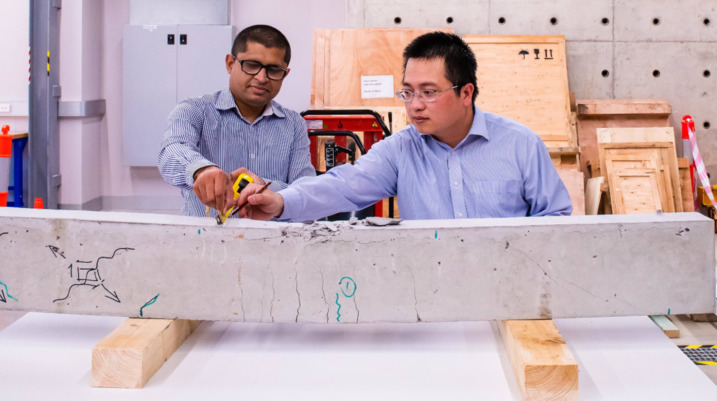
For Bendigo local Matthew Wilkinson, that opportunity translated directly into a career.
“I wasn’t completely sure what I wanted to do at university,” he said. “But I knew I enjoyed maths and problem solving, and engineering seemed like a good fit.”
Matthew enrolled in Civil Engineering at La Trobe Bendigo and found the course both practical and engaging.
“The hands-on practical learning always seemed relevant to what we were learning,” he said. “And having the opportunity to work in the industry through the Work Integrated Learning program was invaluable.”
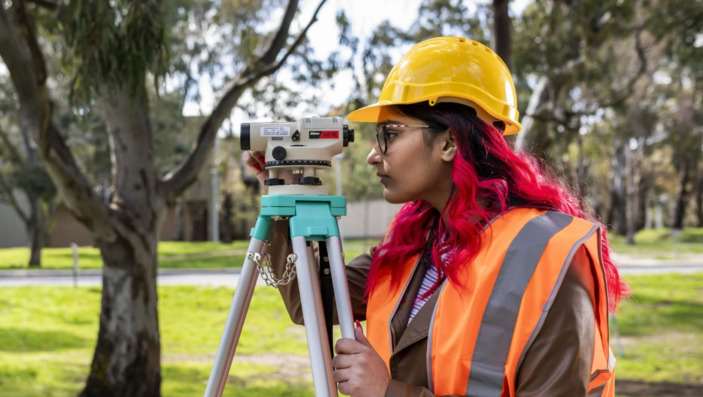
Work Integrated Learning (WIL) is a key feature across many courses at Bendigo, giving students the opportunity to gain real-world experience while they study. For Matthew, that experience led directly to employment.
He now works full-time at Terraco, a local civil engineering consultancy where he first completed his placement.
“The transition from study to full-time work has been seamless,” he said. “I’ve been able to apply what I learned at university to real projects while continuing to learn on the job.”
Experiences like this reflect the campus’s strong connection to local industry and its focus on preparing graduates who are ready to contribute from day one.

Studying locally also allows students to maintain the parts of their lives that matter most: keeping their part-time jobs, continuing their sporting commitments, and staying closely connected to family, friends and community networks.
Ongoing investment in facilities, including engineering, health and student infrastructure, continues to strengthen the campus as a leading regional education hub, with Bendigo firmly on the rise as a University City.
For Matthew, the next step is continuing his work in the field.
“Civil engineers are important in supporting communities through infrastructure and development,” he said. “I’m looking forward to working on projects that benefit the Bendigo region.”
//SPONSORED CONTENT
Share


Related Articles

Holy Rosary Heathcote: a contemporary school built on care, community, and quality learning
HOLY Rosary School Heathcote is a warm, vibrant Catholic primary…
Unlocking more days of early learning for your child at Goodstart
FOR many families across the Bendigo and McIvor region, balancing…