From the office of Roland Rocchiccioli
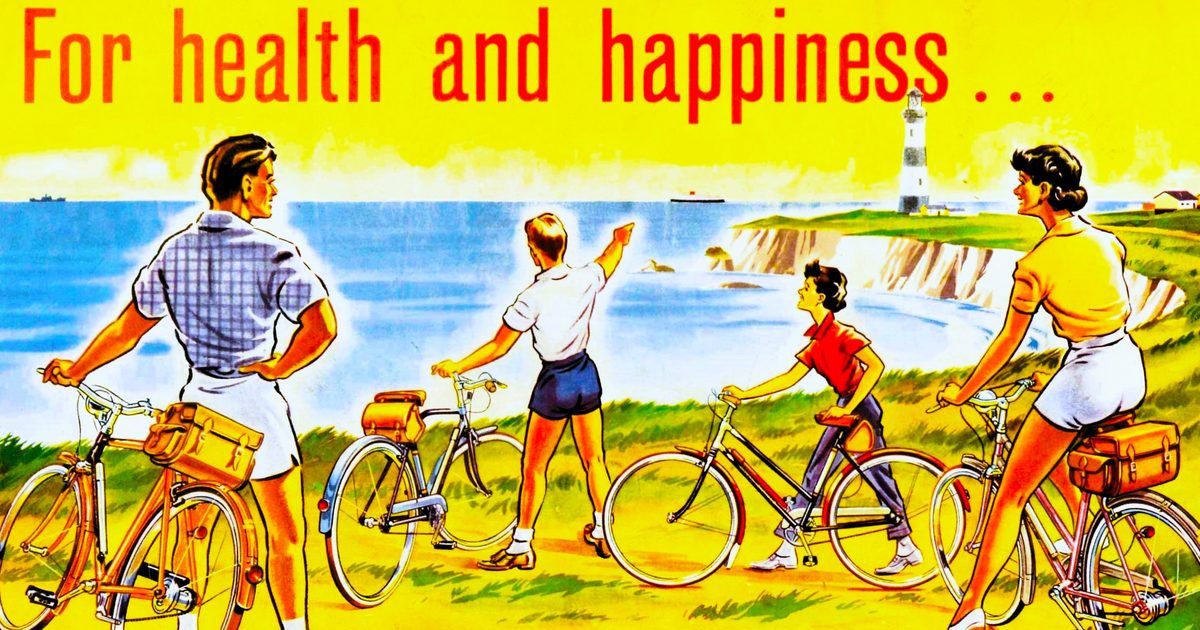
Advertisers were selling a romantic notion; an advertising myth. It was how we wanted to see ourselves.


FOLLOWING 6-years of hostilities, 1950s Australia was a cornucopia of opportunity lazing under a vast azure sky. The Nation was basking in the roseate hue of Victory. The country was marching cheerfully into the new materialistic world.
The “Long Boom” was a decade of broad prosperity and mass consumption; a period of industrial and scientific innovation after years of despair and global conflict. Wartime know-how and practical experience were converted into peacetime manufacturing.
Commercially it was a time of stability — the harbinger of new processes and practices — but not necessarily new ways of thinking. Old attitudes conflicted with the rush of change.
Prime Minister Robert Menzies’ paternalistic — occasionally admonishing — style of national stewardship attracted middle-class voters whom he categorised the “forgotten people”. Unemployment was virtually unknown. Across Australia parents settled down in peace and relative abundance — working for the betterment of their children’s future. Cinemas and sporting venues were filled with young families enjoying lives richer than ever! The country was Christian. Churches played a major role in education, welfare, and community life.
Homes brimming with the products of peacetime prosperity sprang-up in the new suburbs which circumferenced our major cities. The Nation’s stability was awash with unstoppable change. Electrical kitchen appliances, washing machines, refrigerators, vacuum cleaners, and motor cars abounded. Trams began disappearing from city streets replaced by cars leading to shopping centres, drive–in picture theatres, and nonstop freeways.
The space race and the launch of the first Russian Sputnik satellite fired Australia’s collective imagination. Vaccines protected children from the deadly diseases — those infections which had brought death to earlier generations. Young Australians, keen to escape the inflexible ideological conservatism which permeated much of post–war Australian life sailed away to England on two-year working holidays.
Post-war migration brought refugees from the Ukraine, Lithuania, Greece, Italy, Poland, Germany, and the Netherlands.
By the end of the 1950s the population had grown to 10 million. It was the atomic age; however, the fear of nuclear war was supressed by consumerism and the booming economy.
Identifying endless advertising and marketing possibilities creative directors applied themselves to formulating the Australian dream! It became an advertiser’s decade. Radio and print media encouraged customers to “buy, buy, buy!” Not only were they selling soap powder and breakfast cereals they were selling an ideology: consumerism!
Celebrities and film stars appeared in newspaper and magazine spreads selling face soap, cosmetics, alcohol, and cigarettes. Anything and everything which held consumer appeal was ripe for the picking.
The Aeroplane Jelly commercial jingle was written in 1930. The jingle was played on radio over 100-times a day — embedding itself into the national consciousness.
Fashion illustrators created catalogues and stylised black-and-white, line drawings of long-legged, wasp-waisted women, and chiselled featured, idealistically brawny men, had nothing to do with reality. It captured the Nation’s imagination. Consumerism ran rampant and advertisers laughed all the way to the bank!
Then, at the end of the decade, came television and the Mickey Mouse Club! The Mouseketeers were the beginning of Australia’s Americanisation. They transformed the zeitgeist. Nothing would be the same — ever! Contact: [email protected]
Share


Related Articles

From the office of ROLAND ROCCHICCIOLI
A DOG is our best friend! Their love is unconditional.…
The from office of ROLAND ROCCHICCIOLI
I was alarmed to read of the serious assault charge…