Generation-defining Metro Tunnel to carry passengers through summer of free PT, and beyond
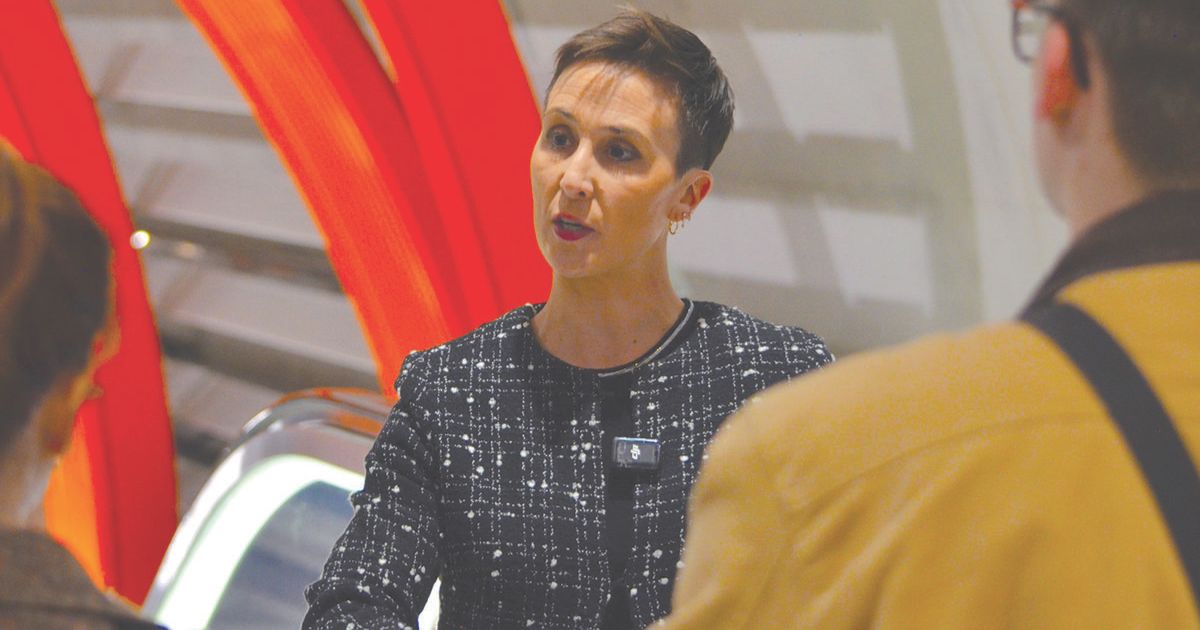
Minister for Transport Infrastructure Gabrielle Williams said to be able to build something of this scale under the CBD and still ensure that above ground the city was still able to move is quite an engineering feat. Photos: ADAM CARSWELL


TAKING a break in Melbourne this summer?
The Metro Tunnel is in motion after a decade of works that saw the removal of 1.8 million cubic metres of rock and soil from beneath the CBD and 754,000 cubic metres of concrete poured, supported by a skeleton of 157,000 tonnes of steel.
Its opening followed the most crucial project milestone – gaining full accreditation from the Office of the National Rail Safety Regulator on 16 November.
Speaking at a November sneak peek of the new State Library Station for media, Minister for Transport Infrastructure Gabrielle Williams said the completion of the “incredibly exciting project” had been “a long time coming”.

“To be able to build something of this scale under the CBD and still ensure that above ground the city was still able to move is quite an engineering feat,” she said.
“We’ve asked the community to work with us for the best part of a decade while we’ve done this – they’ve partnered with us as we’ve disrupted their travel and asked them to change the way they (commute).”
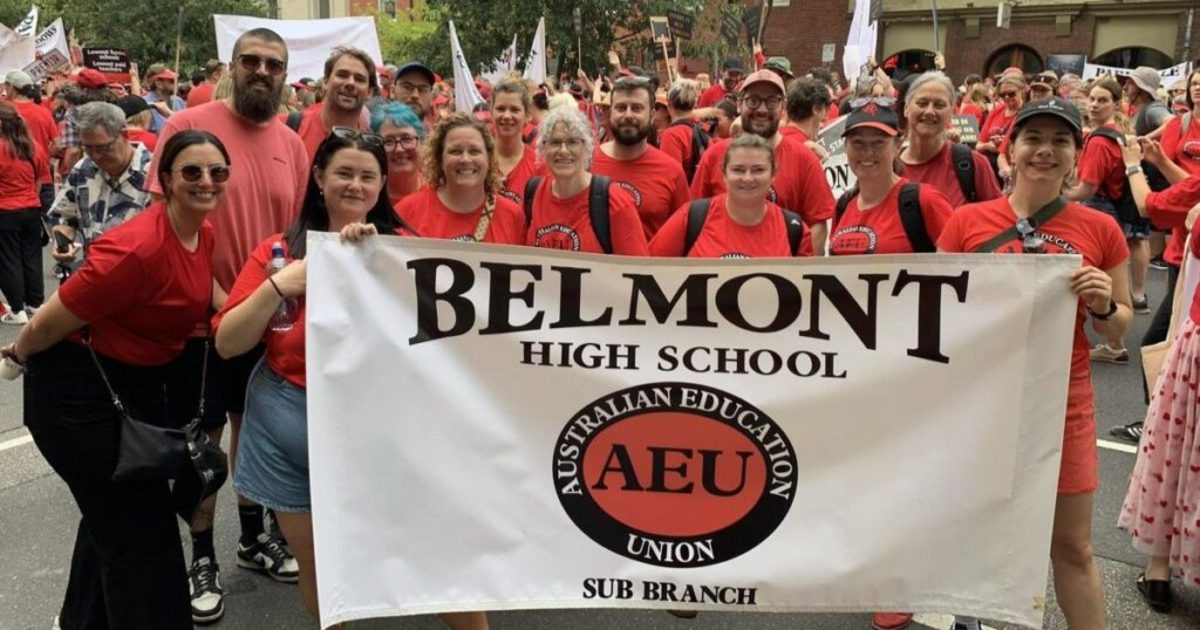
To thank the community, free public transport will continue to be offered every weekend, everywhere, until Sunday 1 February.
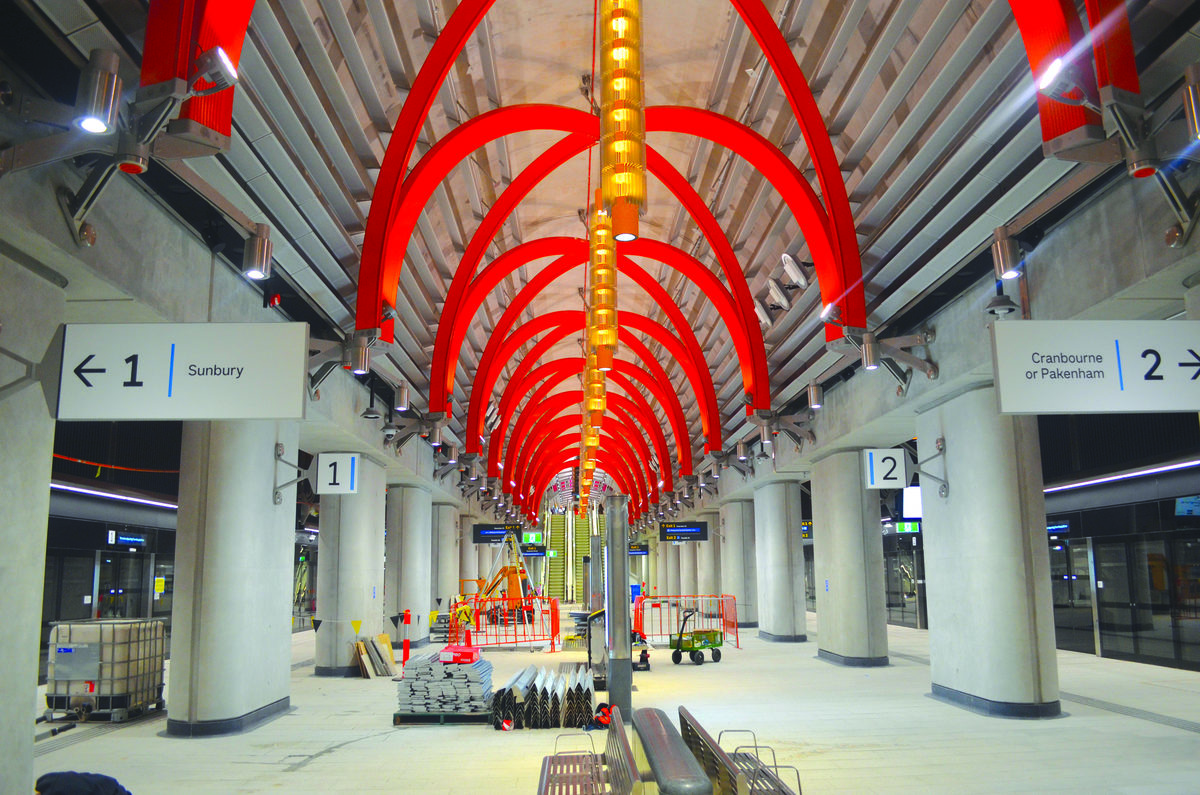
The new twin nine-kilometre tunnels and 40 kilometres of track effectively double the size of the state capital’s underground rail network and free up the struggling City Loop by taking on all Cranbourne, Pakenham and Sunbury line services.
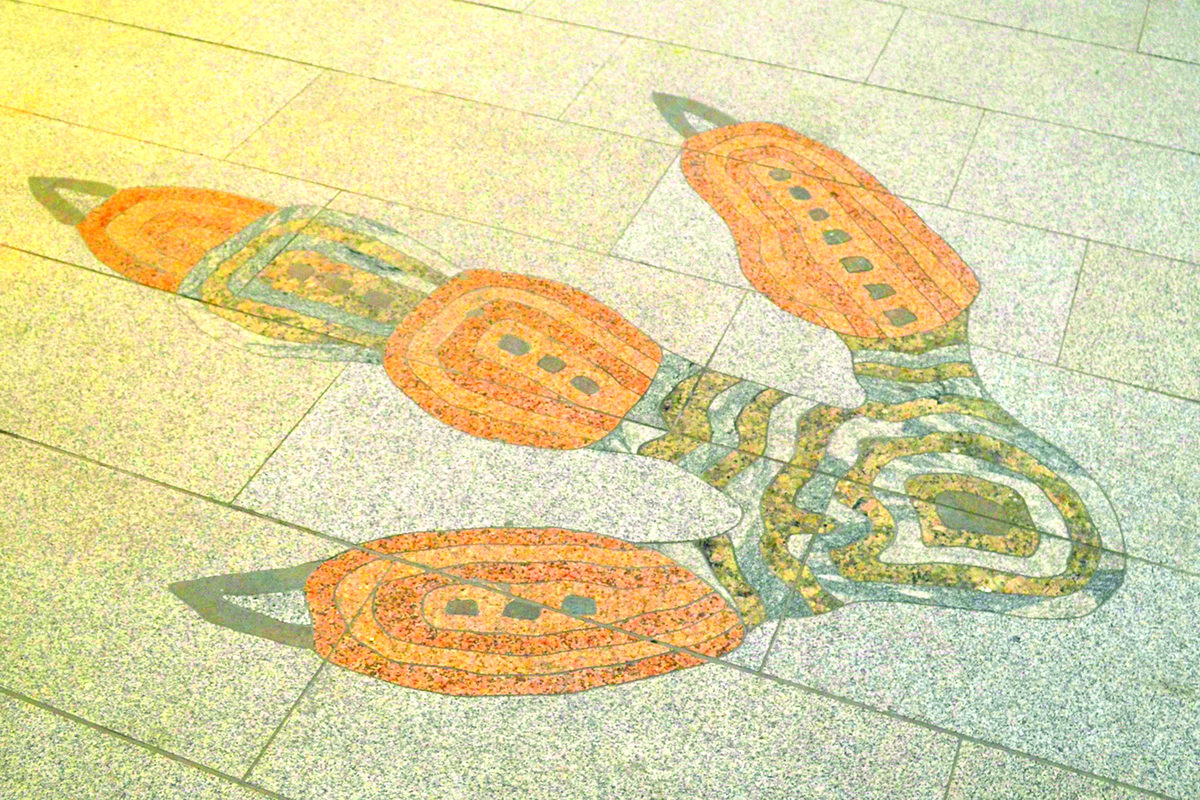
As well as appeasing city commuters with (expected) increased reliability and less delay, five new strategically placed underground stations now provide regional travellers with better access to key Melbourne precincts.
“This is about giving people more choice in how they move and where they want to get to in our CBD,” Ms Williams said.
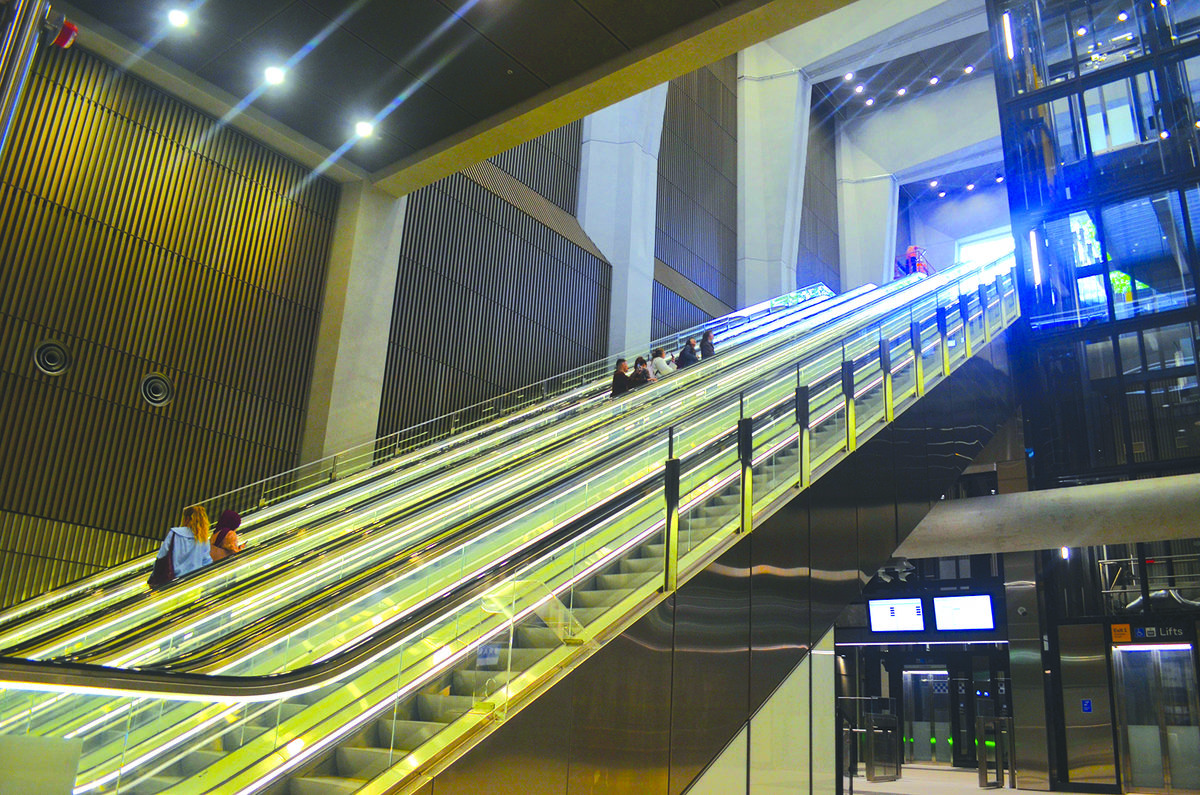
“It’s also about looking to the future and having an eye to how our community is growing and how we can continue to look to have a particular impact.”
Passengers travelling from Geelong, Ballarat and Bendigo will generally need only a single transfer (for example, at Footscray or Sunshine) to access the new Tunnel services.
Commuters on the Ballarat and Geelong lines, for example, are required to simply change at Footscray on weekdays (Sunshine or Footscray on weekends), while Bendigo lines will also change at Footscray on weekdays (and Sunbury or Footscray on weekends).
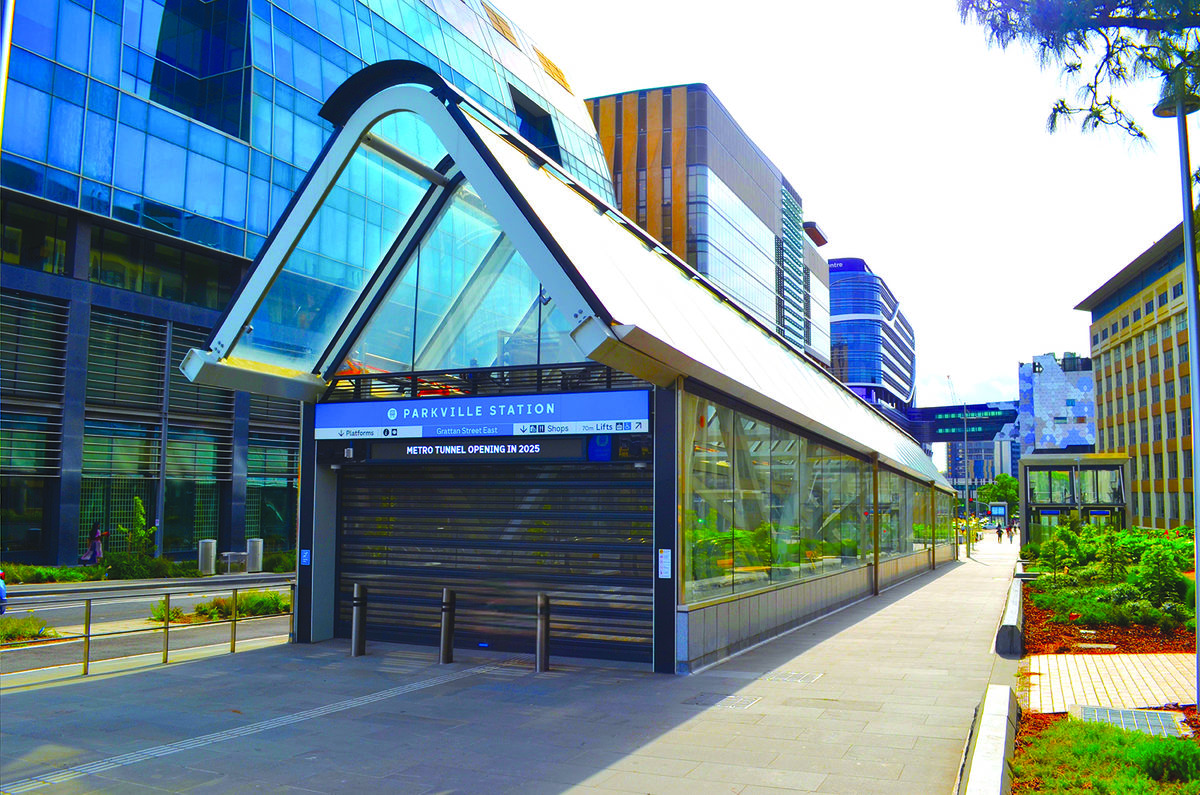
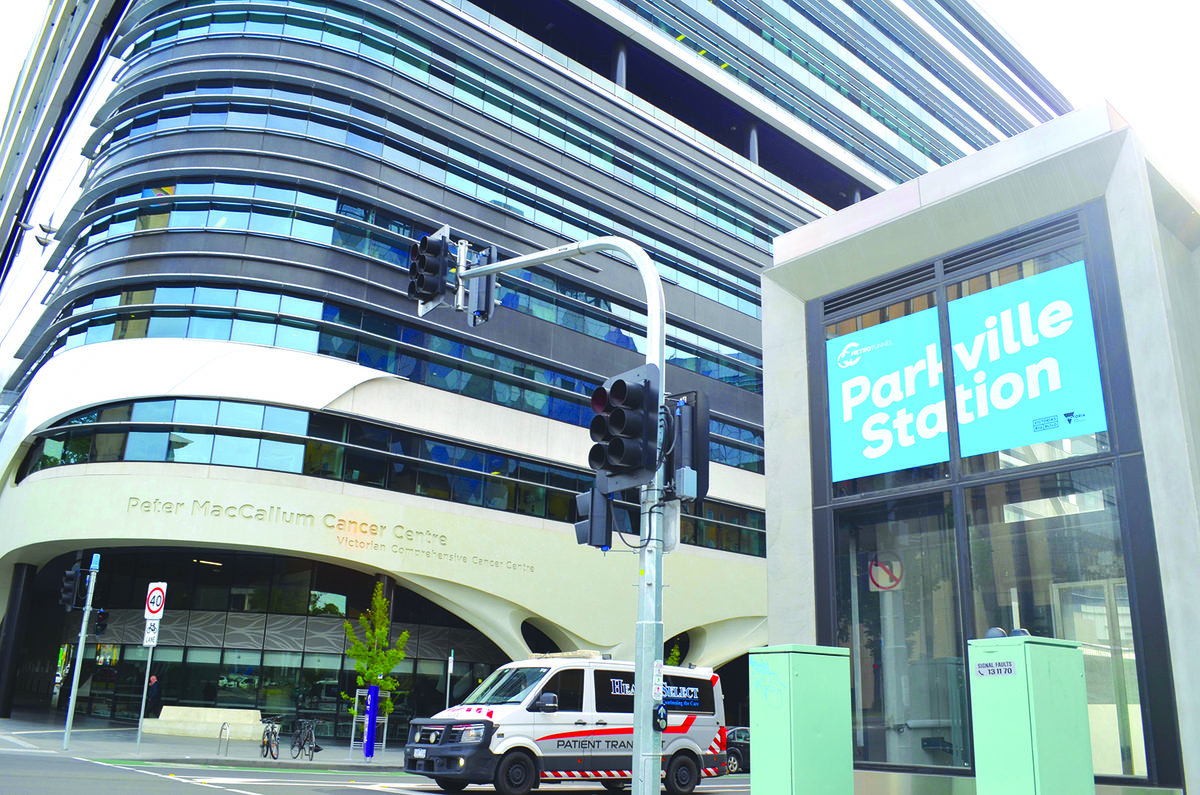
Also of note, the new Parkville Station provides train access for all travellers for the first time to Melbourne’s renowned city fringe education, health and research precinct.
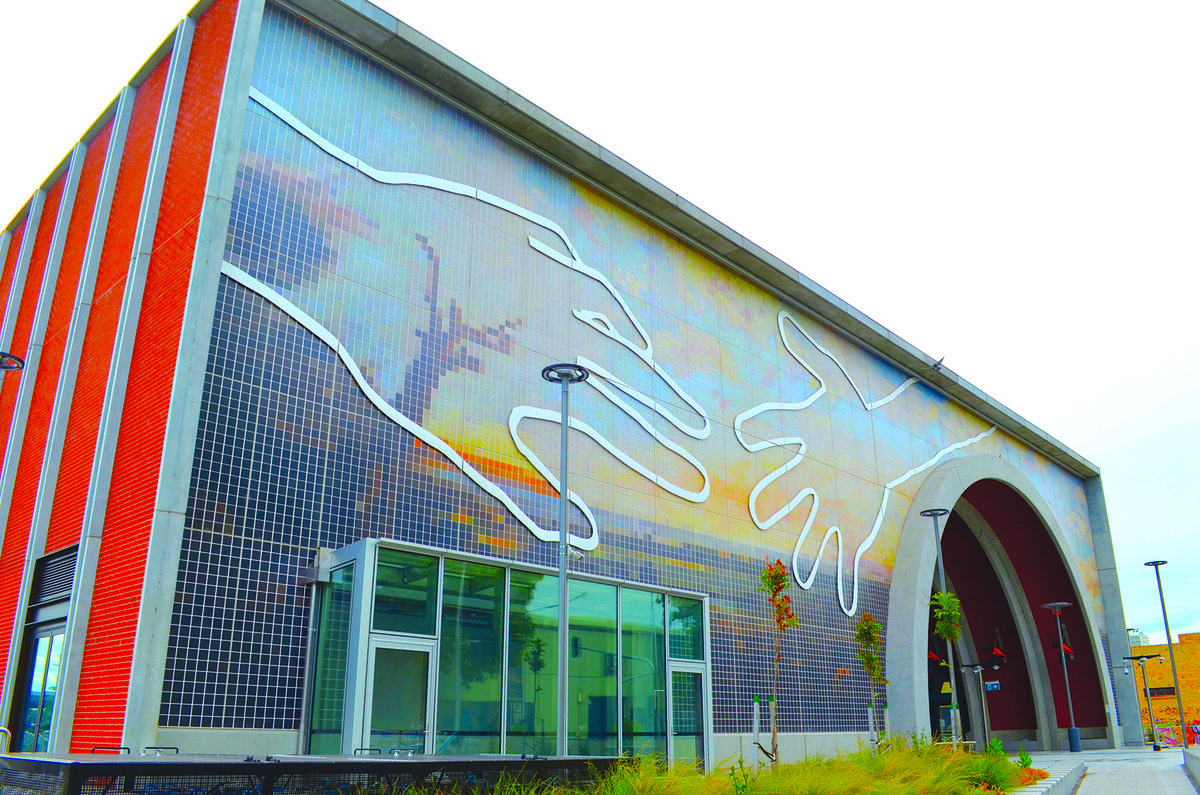
Its entrances (two on Royal Parade and two on Grattan Street) bring passengers to the doorstep of the Peter MacCallum Cancer Centre and the Royal Melbourne Hospital, and within a stone’s throw of the Royal Women’s Hospital.
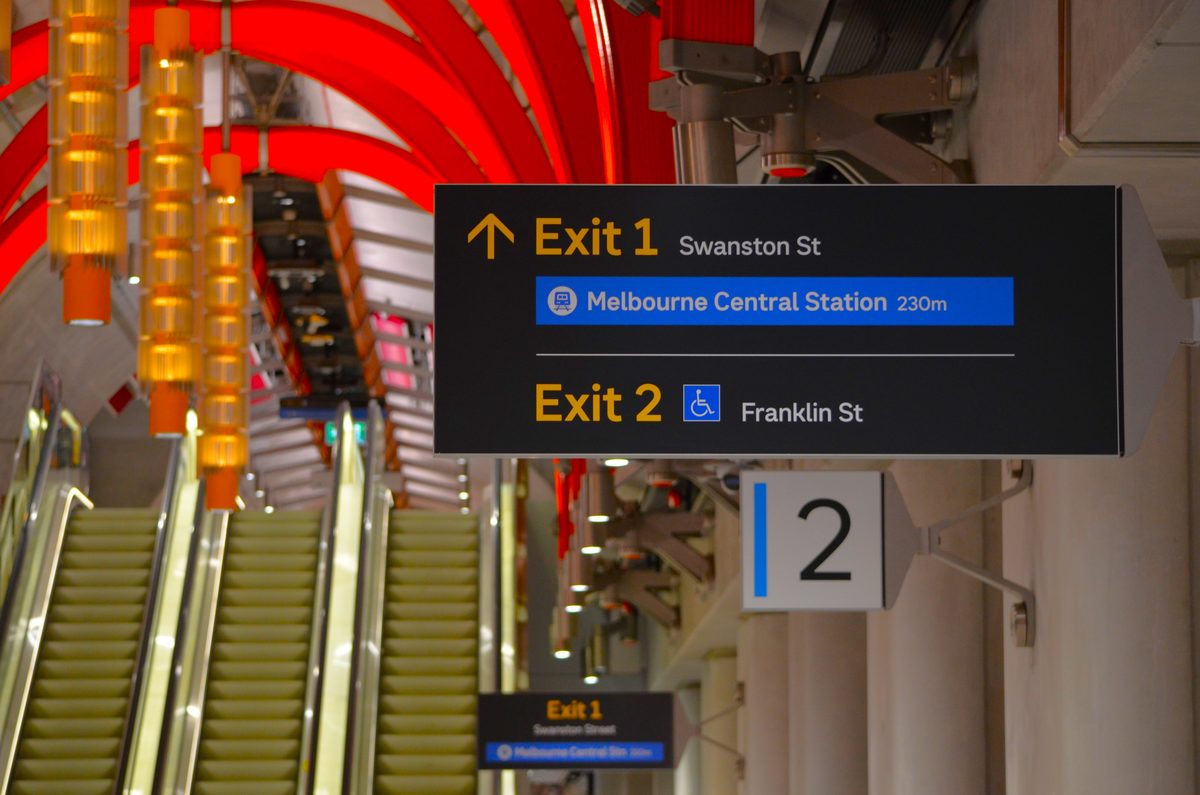
State Library Station, with its main entrance on the corner of Swanston and La Trobe streets, also provides convenient access to Melbourne institutions the State Library of Victoria and Queen Victoria Market.
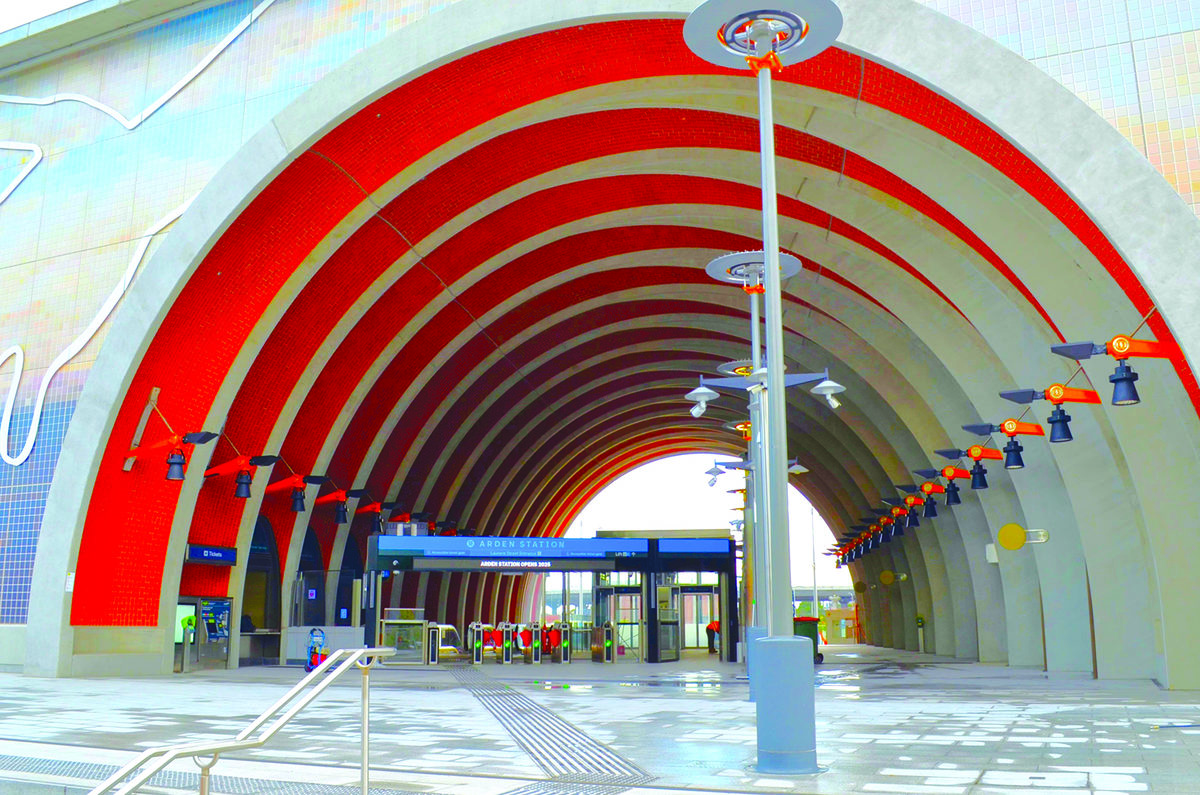
The remaining new stations are Town Hall Station under Swanston Street, Anzac Station under St Kilda Road and Arden Station in North Melbourne.
Share


Related Articles
Author to talk about Australian POW book
HEATHCOTE Library will host history enthusiast and author Peter Mitchell…
APCO backs everyday heroes with July campaign
Everyday acts of kindness will be recognised at APCO service…