GLP-1 medications and sleep apnoea: helpful tool or overhyped cure?
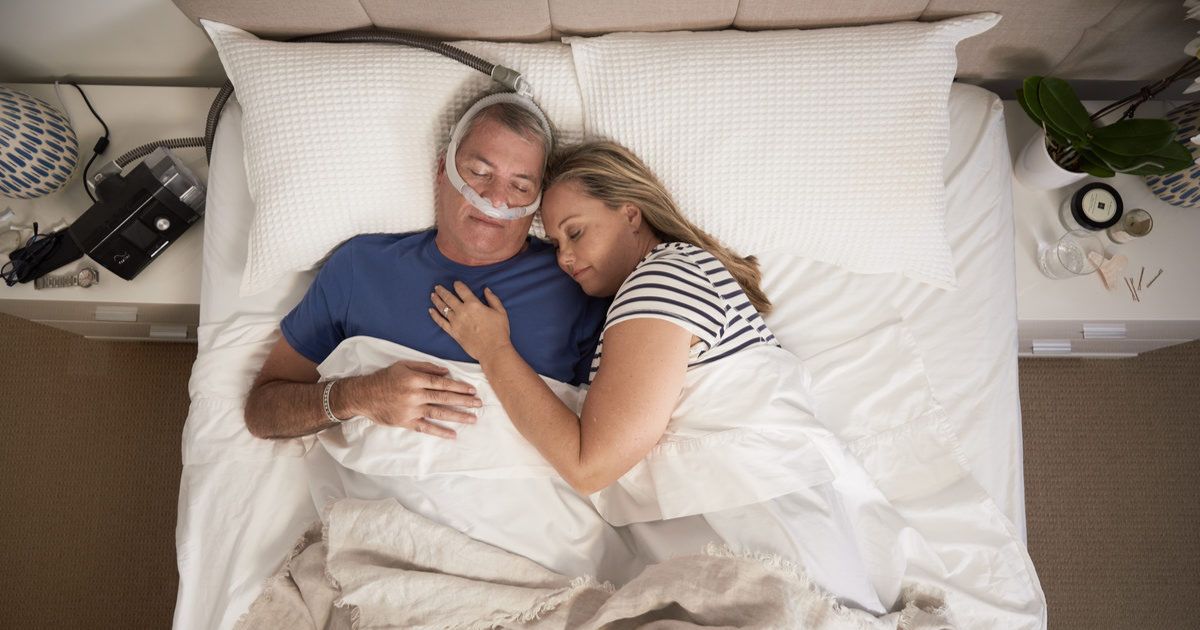
At CPAP Direct, we know proper diagnosis and ongoing therapy can improve sleep and health outcomes. Photo: ResMed.


GLP-1 peptide medications have quickly become one of the biggest talking points in health and weight loss, with many people now wondering whether they could also be the answer to obstructive sleep apnoea (OSA).
While the research is promising, it’s important to separate the hype from the reality.
Recent clinical studies have shown that GLP-1 medications can help reduce the severity of sleep apnoea in some patients, particularly those with a BMI of 30 or greater.
The reason is fairly straightforward: weight loss can reduce fatty tissue around the neck and upper airway, lowering pressure on the airway during sleep.
For some people, this can mean fewer breathing interruptions overnight, along with improvements in symptoms such as snoring, daytime fatigue, and poor sleep quality.
But here’s the key point many people are missing: GLP-1 medications are not a cure for sleep apnoea.
One year-long clinical trial found that the first 10 per cent of body weight lost resulted in roughly a 20 per cent reduction in sleep apnoea severity.
While that sounds significant, the improvement often plateaued beyond that point. For example, someone with an AHI (Apnoea-Hypopnoea Index) of 25, classified as moderate OSA, may see that number reduce to just under 20 after losing 10 per cent of their body weight.
While that is an improvement, that person would still clinically have moderate sleep apnoea and may still require treatment.
For many patients, weight loss can absolutely help improve symptoms and reduce severity. It may even lead to lower CPAP pressure requirements or a better overall therapy experience. But in most cases, it does not completely eliminate the condition.
This highlights an important truth about OSA: sleep apnoea is not caused by weight alone. Airway anatomy, genetics, muscle tone, age, sleeping position, and other health factors all play a role. In fact, many people with sleep apnoea are not overweight at all.
At CPAP Direct, we see every day how effective proper diagnosis and ongoing therapy can be in improving sleep and overall health outcomes.
GLP-1 medications may play a supporting role for some patients, but they should be viewed as part of a broader management strategy rather than a silver bullet.
For support on your journey toward healthier sleep, visit us in-store or at cpap.com.au
//SPONSORED CONTENT
Share


Related Articles

A moment in time to remember: Blues Guitar Roadshow in Castlemaine
THE Blues Guitar Roadshow is set to blow the audience…
Special guests for aged care residents
TWO visitors thrilled Heathcote Health Aged Care residents last week…