Technology upgrade making a difference
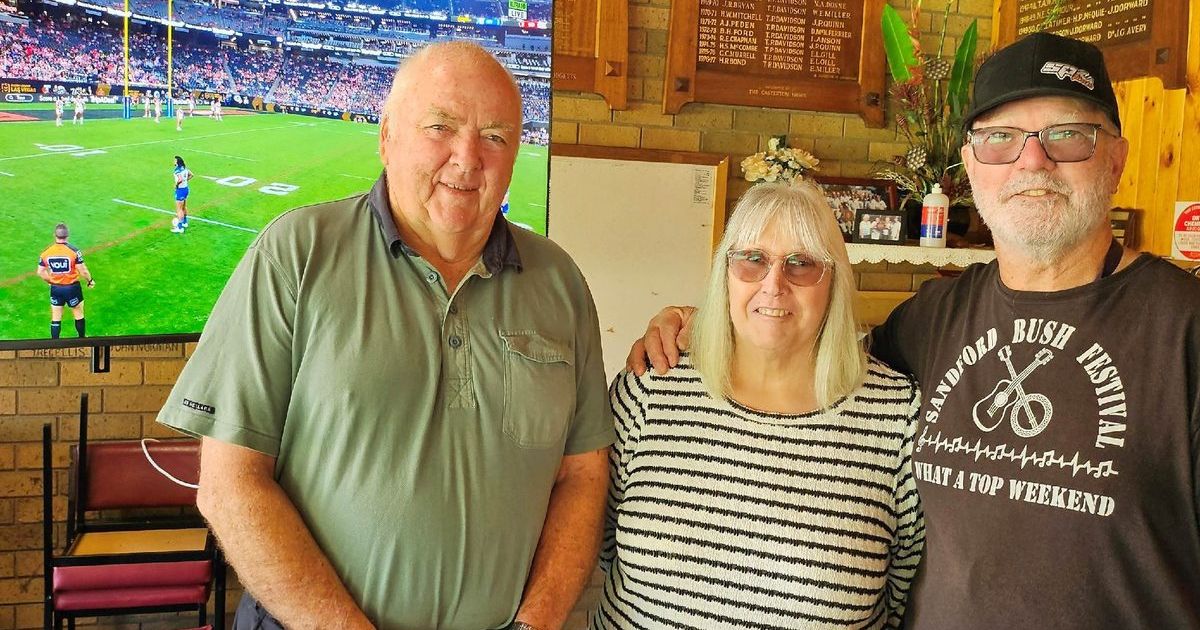
Alan Elijah, Heather Rees & Wayne Southern.


A SIMPLE piece of technology is making a big difference inside one of Casterton’s most community-minded spaces.
Thanks to funding support through United Way Glenelg’s Community Lewis Court Fund, the Casterton Bowling Club has upgraded its audio-visual equipment, unlocking new opportunities for community connection, inclusive participation and financial sustainability.
What began as an infrastructure upgrade has quickly become a catalyst for stronger engagement, improved accessibility and expanded community use of the club.
United Way Glenelg executive officer Nicole Carr this project shows how the right investment in local spaces can create ripple effects across an entire community.
“It’s not just about equipment, it’s about helping community venues stay viable, inclusive and connected for the people who rely on them,” Ms Carr said.
The project was originally designed to strengthen the club’s ability to host corporate meetings, community events and social functions while building new revenue streams to support long-term sustainability.
Since installation, the impact has been immediate.
The upgraded system, including a large screen display, sound bar and external speaker upgrades, has enhanced everything from barefoot bowls events to tournaments, trivia nights and community gatherings.
Club secretary Heather Rees said providing quality sound and visuals has transformed the atmosphere at our events.
“Members are more engaged, music has added to our competitions, and feedback has been incredibly positive,” she said.
The technology has also supported more sensitive community moments, including funeral catering events where photo tributes were displayed for families and guests.
“Being able to visually honour loved ones in a meaningful way has added another level of care we can provide our community,” Mrs Rees said.
Importantly, the upgrade has improved accessibility for older members and those with hearing impairments, with clearer audio supporting announcements, presentations and social participation.
“Inclusion was a key driver of this project,” Ms Carr said.
“When people can hear, see and fully participate, it strengthens wellbeing and community belonging.”
The project was delivered in partnership with a regional IT supplier who worked closely with volunteers to design, install and future-proof the system, building local skills along the way.
“Volunteers have embraced the technology, developed user guides and taken ownership of the system,” Mrs Rees said. “It’s building confidence as well as capacity.”
“Local clubs are more than sporting venues, they’re social lifelines,” Ms Carr said.
Share


Related Articles
Players vie for positions at Country Championships
THE South East Zone Squad which will compete in the…
Ready to go one better in 2027
THE Division 1 Mount Gambier team were bats away in…