Shire makes final case on WRL
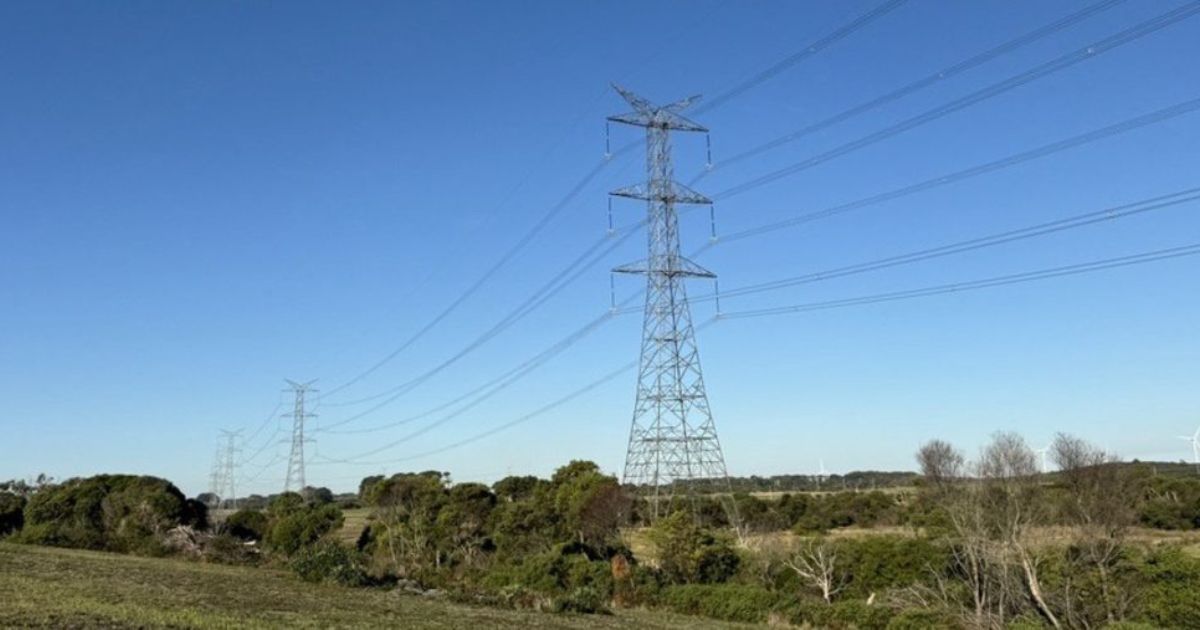
Final say: Transmission towers like these would be built through the Moorabool Shire. Photos: FILE


MOORABOOL Shire council has made its final case for undergrounding of transmission lines at the Western Renewable Link (WRL) Environmental Effects Statement (EES) panel hearing.
The Shire’s closing submission followed its initial presentation at the start of the panel sessions, and was presented to the panel on Monday.
The hearing has been running for 14 weeks, with evidence presented from technical experts and submissions from the proponent, AusNet, and impacted councils, government agencies, organisations and individual residents.
An assessment by Minister for Planning Sonya Kilkenny is expected to be released in the middle of this year.
If approval is granted, construction would begin in the first quarter of 2027 and completed in the fourth quarter of 2029.

The Shire’s submissions were among about 50 from residents and groups in the municipality.
“Thank you to our community for the considerable time and effort taken to participate and share their experiences,” Moorabool mayor Cr Steve Venditti-Taylor said.
The Shire’s closing submission responded to evidence and other submissions presented since December on the topics of social, bushfire, biodiversity, heritage, agricultural, landscape, visual, economic and tourism impacts, as well as on undergrounding and planning matters.
“Despite the additional costs, council considers full or partial undergrounding to be a feasible, future-focused approach that reduces unnecessary impacts,” Cr Venditti-Taylor said.
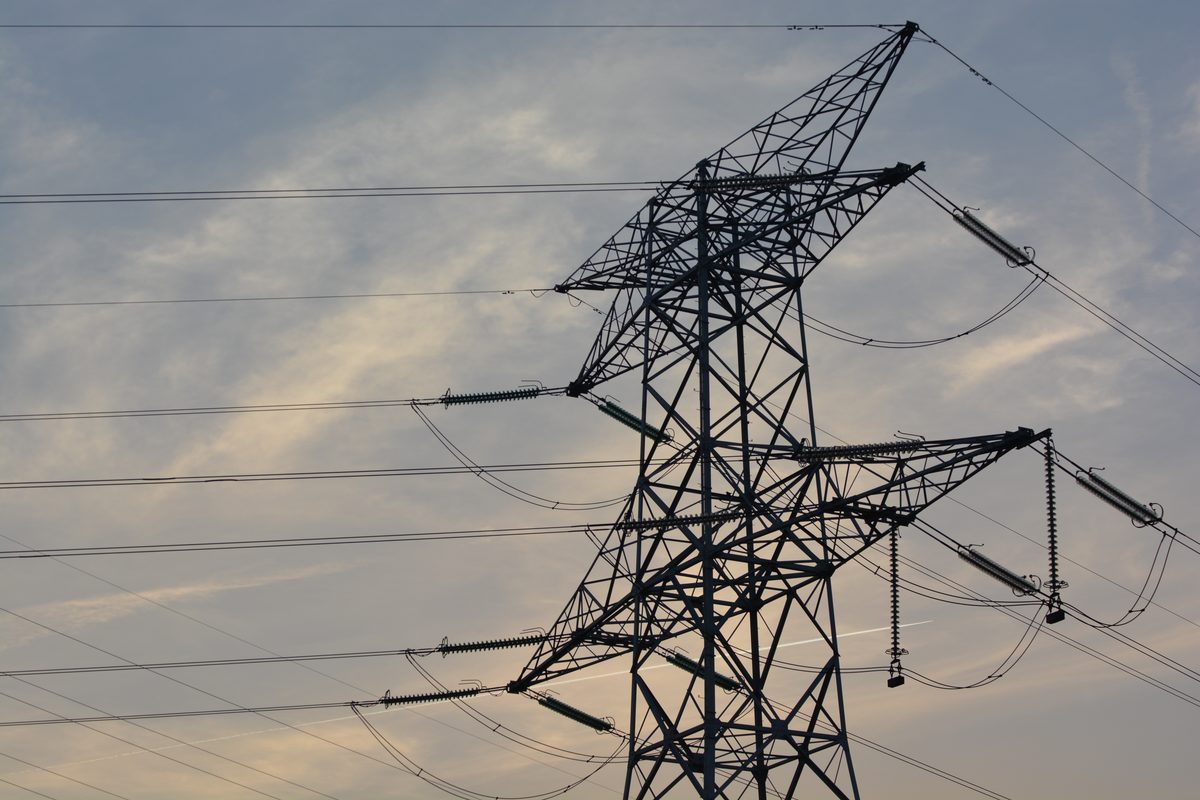
After final submissions from the Moorabool, Hepburn and Melton municipalities, the hearing ended with a closing presentation from AusNet.
The Shire will keep residents up to date as the EES progresses.
Residents can access timestamps of hearing audio recordings and the Shire’s updates for the entire hearing at moorabool.vic.gov.au/transmissionlines
The WRL would consist of 190 kilometres of 500kV overhead transmission lines connecting wind and solar energy generators in western Victoria to the grid.
It would run from Bulgana to Sydenham and would help power up to one million homes, but councils and residents in the WRL’s path have objected on numerous grounds.
Share


Related Articles
A contest to relish: Blackwood hosts chutney off
BLACKWOOD will host its inaugural Green Tomato Chutney Off tomorrow,…
Warm up with Ballarat’s Hot Choc Showdown…
Get ready to treat yourself this winter, with Ballarat’s Hot…