Battle lines drawn at Rainbow Bay
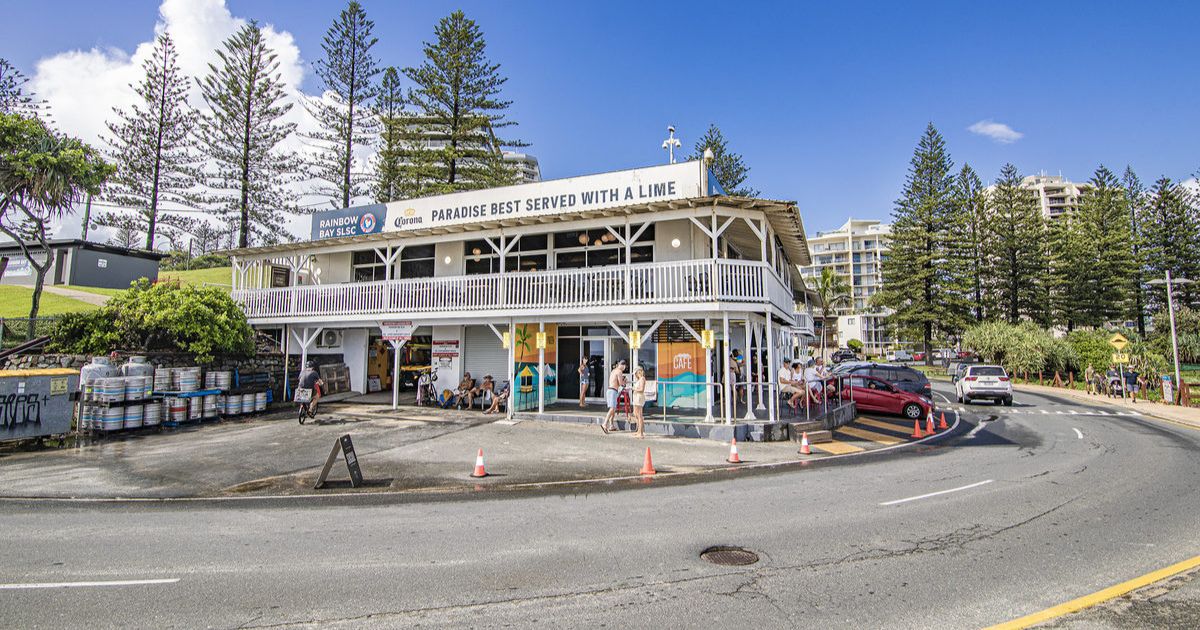
Rainbow Bay Surf Lifesaving Club, which has become the focus of community opposition amid plans for a broader foreshore redevelopment. Photo: DAVID COPE


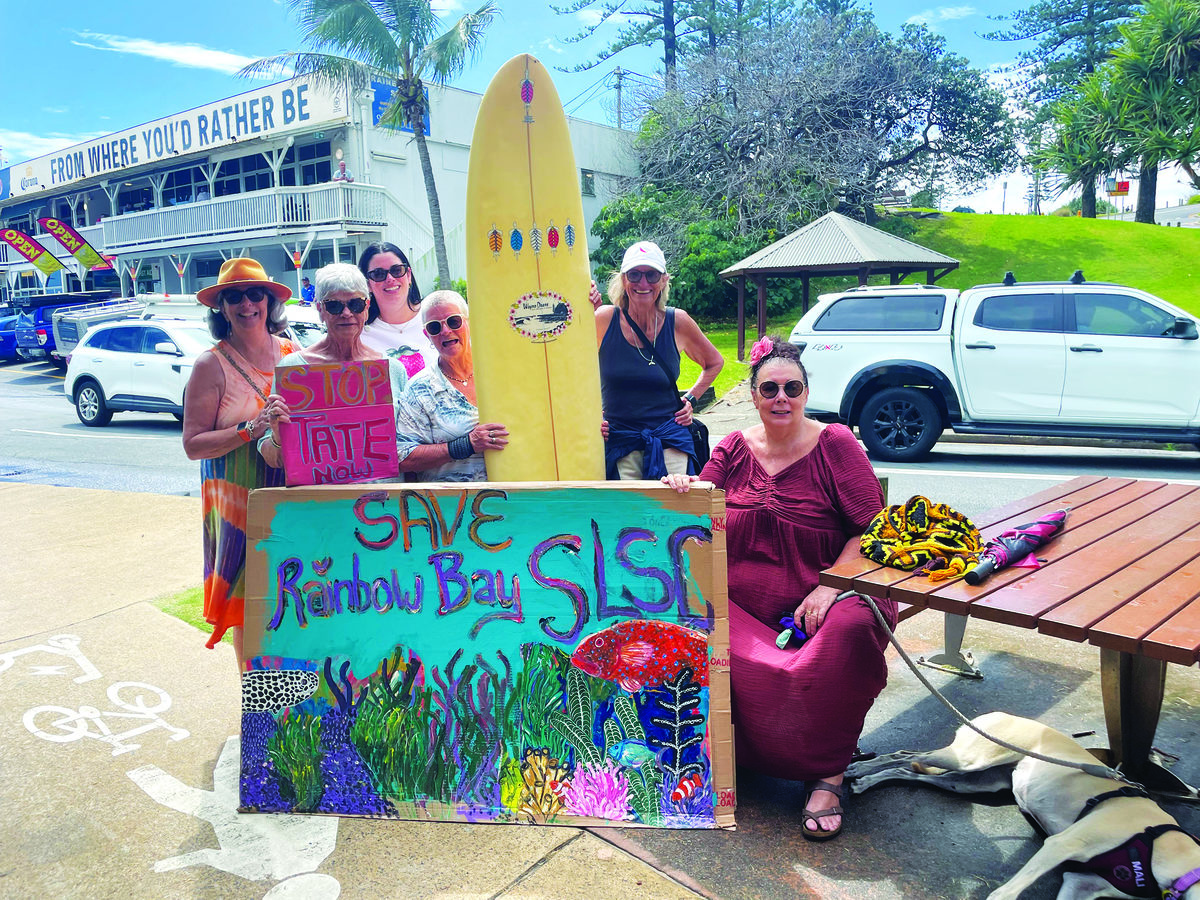
SURFERS and residents rallied on the weekend to save Rainbow Bay Surf Lifesaving Club, opposing plans to demolish the ageing building as part of a broader foreshore redevelopment.
The protest at the Snapper Rocks foreshore on March 21 drew crowds of locals, visitors and ocean users from south-east Queensland and across the Northern Rivers who have long been connected to the iconic club building.
Led by Save Our Southern Gold Coast president and founder Kath Down, the rally publicly challenged Gold Coast City Council’s unanimous vote to progress a masterplan that would see the clubhouse replaced as part of a wider overhaul of the precinct.
The redevelopment process has already moved through several rounds of community consultation focused on broader precinct values and priorities, including public space, access, amenity and lifestyle character.
However, detailed architectural designs for a replacement surf club building have not yet been released.
A recurring criticism from locals is that the process has focused on broad planning concepts rather than a clear comparison between renovating the existing clubhouse and replacing it with a new design.
Some residents say approving a masterplan without detailed drawings feels like being asked to comment on a blank sheet of paper.
With no design to see, there are fears the replacement could become what some described as another generic grey concrete fortress with a few token timber beams, like so many once character filled surf clubs around the country.
Critics argue the redevelopment debate has become focused on modernising facilities rather than protecting the building’s broader significance to the surfing community and its unique place in Australia’s coastal identity.
“We want our surf club kept intact,” Down said during a speech.
“Yes, it needs work but spend the money and get it done right.”
The protest featured a diverse range of speakers, including ex surfing champions, residents, visitors and artists.
Sally Paxton, the 1986 Australian longboarding champion, widely regarded as the original queen of Rainbow Bay, called on “people power” to help save the spot.
“Put your heart into it – tell all your friends – people can do it,” she said.
Paxton acknowledged that repairs to the building are inevitable, but questioned council’s current masterplan, which she believes will significantly impact the surrounding area.
“It was inevitable that something was going to happen and clearly it needs some repairs, but I think its current footprint should be the footprint that the club is rebuilt upon,” Paxton said.
“I have seen many surf clubs renovated around this coast, and none of them as far as I know have included a larger footprint than they already have.”
“All these new buildings all look the same.”
“They are a clone of each other.”
One young protester urged the next generation of surfers to take a stand.
“Social media is not the battle!” he cried.
“This is the battle – all of us here together.”
“How are they going to knock the pub down if we’re all in it?”
Support for the campaign has also come from prominent surfers who say the building holds deep cultural and personal significance.
Tweed based professional surfer Morgan Cibilic said the building has always been a constant presence in his life.
“It’s a pretty historic building,” Cibilic said.
“I grew up watching the Quiksilver Pro here and that building’s always been there.”
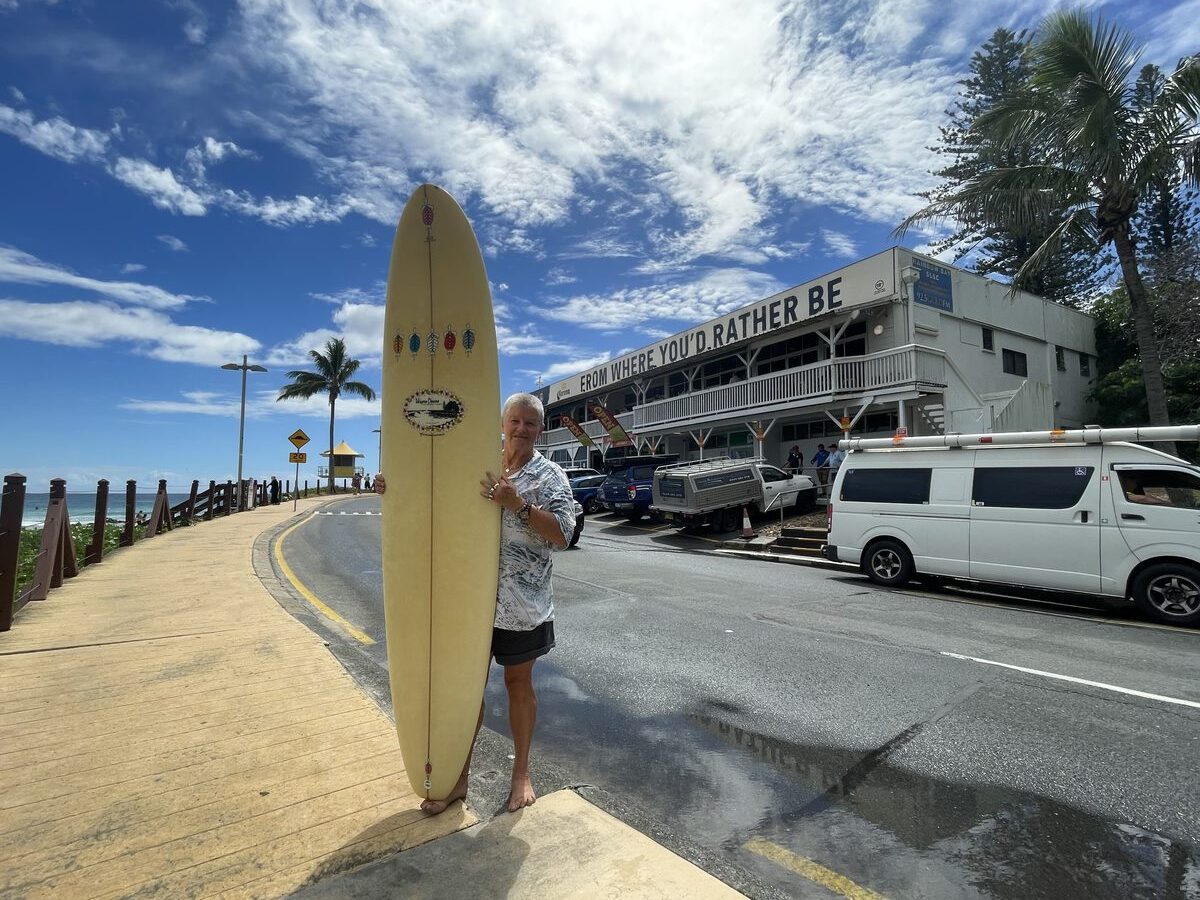
Brazilian professional surfers Mateus Herdy and Samuel Pupo also emphasised the club’s international renown, describing how it shaped their experiences from their early teens.
“Since I was thirteen, I’ve been coming here, and seeing all the names of the surfers on the stairs – it’s just so cool,” Herdy said.
“I grew up watching these amazing surfers at this place here, and I heard that they’re wanting to knock it down, so it’s pretty sad.”
“This building means a lot,” Pupo added.
“I’ve been coming here since I was 10 years old – surfing every day while my family stayed at the bar watching me.”
“It’s a pretty iconic place and it would be very sad not to see it here.”
Tweed resident and surfer Jesse Bailey said the proposed development reflects what he sees as a worrying southward expansion of urban development along the Gold Coast and into Tweed Heads.
“This over the top development has wrecked a lot of the coastline and I think we should be preserving it,” Bailey said.
“Having these old buildings are part of the character of where we live.”
“It’s a really good addition to the culture of the Gold Coast, and moving into the Tweed as well – it’s about trying to keep that peaceful energy.”
Share


Related Articles
Gordon Ramsay-trained chef Elizabeth O’Brien takes over at refurbished Crystalbrook Resort restaurant
SHE honed her skills at the local RSL and worked…
Tumbulgum’s century-old hall stands strong after repeated floods
MORE than a century after locals built Tumbulgum Hall, the…