Fatbergs clog Tweed sewer network
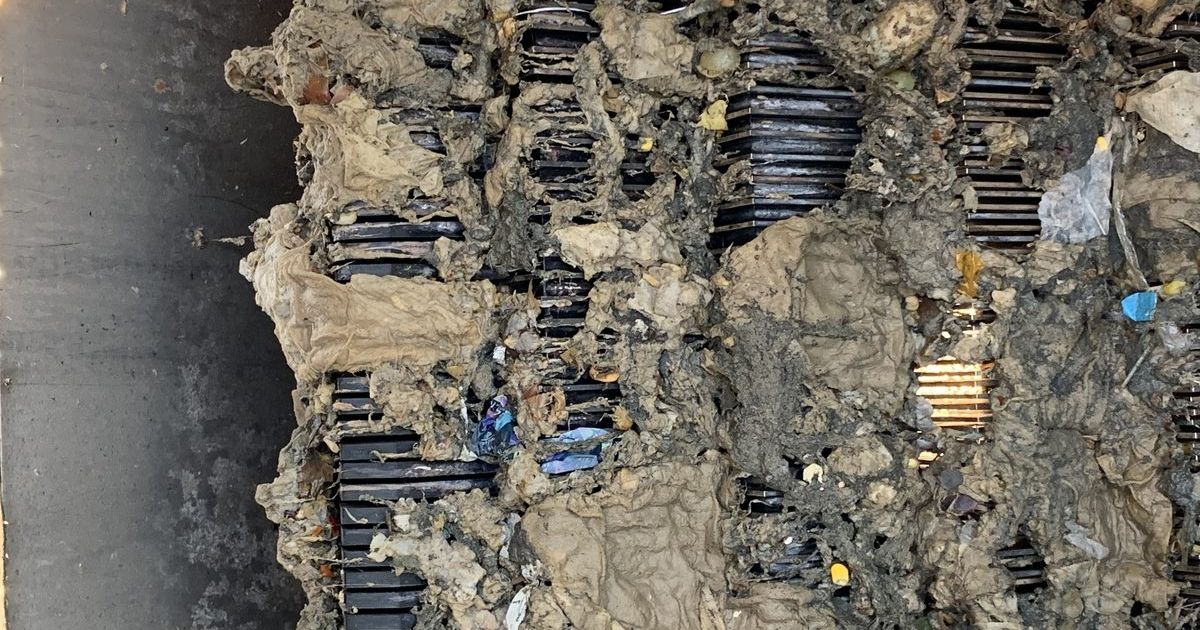
The result of poor disposal choices. Photo: Supplied.


RESIDENTS are being urged to reconsider what they flush and pour down household drains, as Tweed Shire Council reveals crews are removing large volumes of waste from the sewerage network each year.
The council says about 156 tonnes of debris and build-up is cleared annually, highlighting the strain on local wastewater systems caused by inappropriate disposal.
Acting manager water and wastewater business and assets Elizabeth Seidl said the issue is persistent and largely avoidable.
“We’re removing roughly three tonnes of rubbish and gunk every single week from the sewerage network,” Seidl said.
“This is material that shouldn’t be in our sewers at all.
“If it isn’t one of the 3Ps, pee, poo or toilet paper, it won’t break down in water.”
The council is reinforcing the 3Ps message, warning that anything else can cause blockages in homes and across the wider network.
“This can clog your home’s plumbing and turn into a sticky mess in the Tweed’s sewerage system, which can lead to sewage overflows and sometimes end up costing the whole community in repairs,” Seidl said.
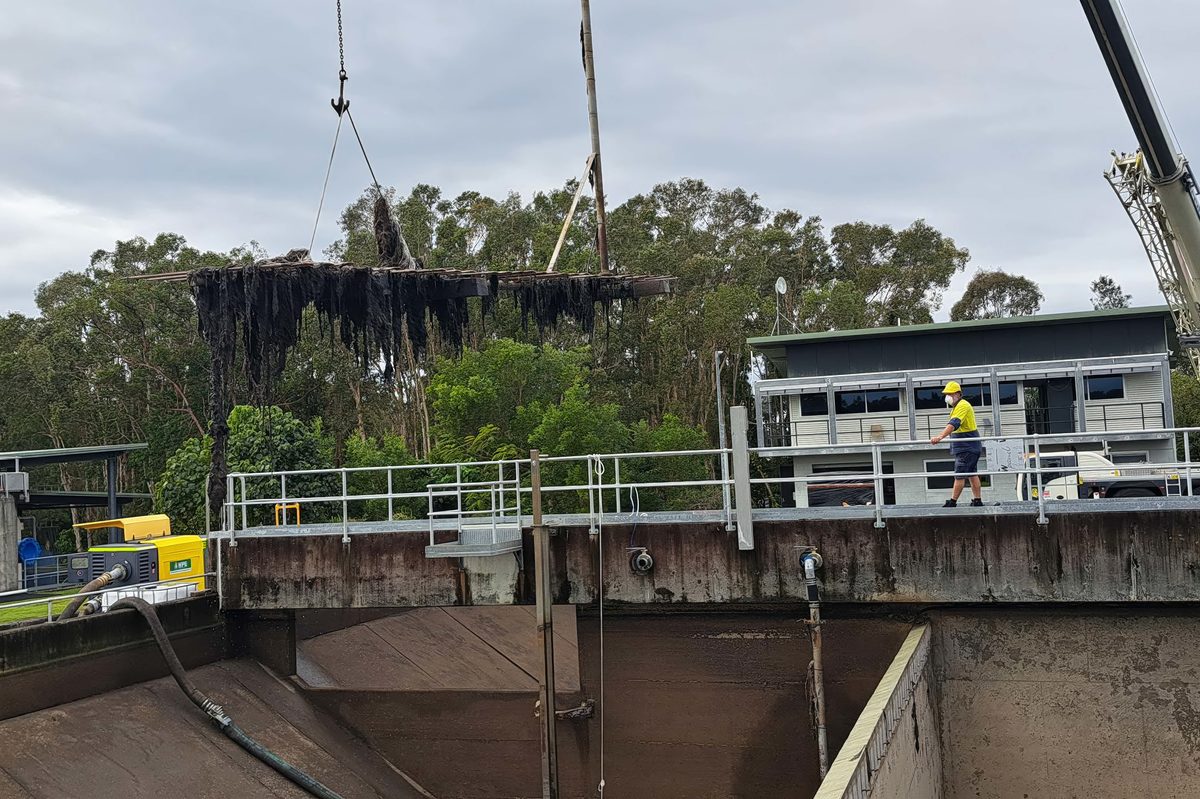
The problem is not limited to bathrooms, with kitchens and laundries also contributing.
Seidl said pouring fats, oils and grease down the sink can be just as damaging.
“Oil, grease and fats belong in the bin, not down the sink,” she said.
“In the sewerage system, these can solidify and form large fatbergs, a major cause of pipe blockages and pump failures at our wastewater treatment plants.
“It’s also important to remember food scraps go in your green lid bin, where they can be composted, and medicines or household chemicals should never be poured into drains.”
Council is reminding residents that a range of everyday items should not be flushed, including wipes, even those labelled flushable, tissues, paper towels, cotton buds, dental floss, nappies, sanitary products and general rubbish.
Similarly, substances such as oil, grease, chemicals and medicines should not be poured down sinks, as they can damage infrastructure and disrupt treatment processes.
The council hopes the reminder will encourage better habits at home, helping to reduce blockages, prevent costly repairs and protect the long-term health of the Tweed’s wastewater system.
Share


Related Articles
Art exhibition to highlight end of an era at town and gown event
THE annual Lennox Head Lions Town and Gown Art Exhibition…
Gordon Ramsay-trained chef Elizabeth O’Brien takes over at refurbished Crystalbrook Resort restaurant
SHE honed her skills at the local RSL and worked…