Gallery delivers $20m boost to Tweed economy
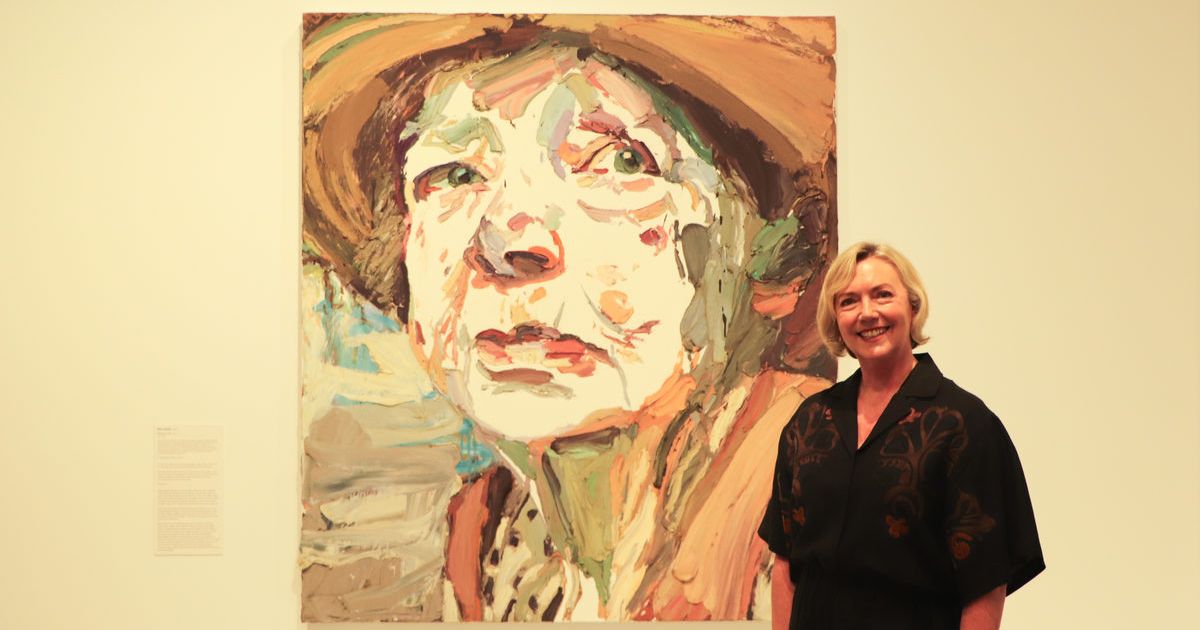
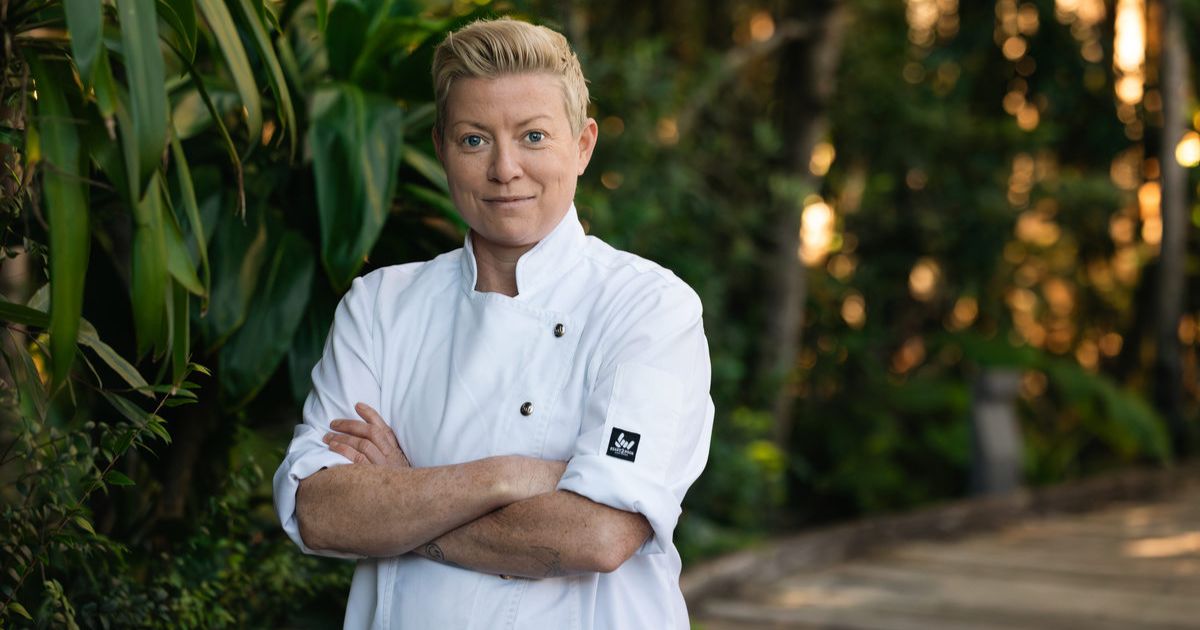
Tweed Regional Gallery Foundation president Sally Campbell with Ben Quilty's 2011 Archibald Prize winning portrait Margaret Olley. Photo: SUPPLIED


THE Tweed Regional Gallery and Margaret Olley Art Centre contributed nearly $20 million to the Tweed economy last year, a new economic impact report shows.
The report, commissioned by the Tweed Regional Gallery Foundation, marks a decade since the last study was undertaken in 2015 and assesses the gallery’s economic and tourism value to the Tweed Shire.
“The data shows that substantial income is generated from tourists coming to see the gallery and its exhibitions, and staying in the surrounding region,” foundation president Sally Campbell said.
Results from the survey showed 64% of visitors included a visit to the town of Murwillumbah as part of their gallery experience, marking an increase of nearly 10% since 2015.
Campbell said the Tweed Shire business community should view the gallery’s success as beneficial to the broader local economy, pointing to Murwillumbah’s ongoing transformation into a cultural hub.
“Off the back of this success and the increased visitation of gallery visitors into the Murwillumbah CBD and other areas, I think it has given people the confidence to move to the town and to build and grow their businesses,” Campbell said.
“I think it’s made the whole of this region and Murwillumbah in particular a much more desirable and sophisticated destination.”
The report’s findings come as the foundation continues to support major acquisitions for the gallery, including the purchase of Ben Quilty’s 2011 Archibald Prize-winning portrait titled Margaret Olley.
The foundation plays a key support role for the gallery, helping promote its activities, raise funds for acquisitions, stage exhibitions and deliver public programs.
Campbell said 96 works had been acquired for the gallery since the foundation was established, with a combined value exceeding $2 million.
She said the acquisitions demonstrate why the art centre is now regarded as one of Australia’s leading regional galleries.
With most surveyed visitors reporting that the gallery met their expectations, Campbell said it was important to maximise the opportunities the destination offers for local growth.
She said this could be achieved through increased engagement with council and the local business community.
“This is an exciting conversation because these figures show how many people are coming from interstate and from larger centres like Melbourne and Sydney to visit this gallery, and are staying here for numbers of days,” Campbell said.
“If visitation numbers increase in line with the projected figures, we’ll need to increase our staffing and volunteer levels.
“This also creates opportunities around opening membership base and talking to local businesses about potential sponsorships.
“I think that broadening our horizons will mean ongoing success for the gallery and the wider region.”
Share


Related Articles
Children’s Ward receives new phototherapy lights
LISMORE Base Hospital’s Children’s Ward has received two new phototherapy…
Art exhibition to highlight end of an era at town and gown event
THE annual Lennox Head Lions Town and Gown Art Exhibition…