Rare osprey moment earns photo award
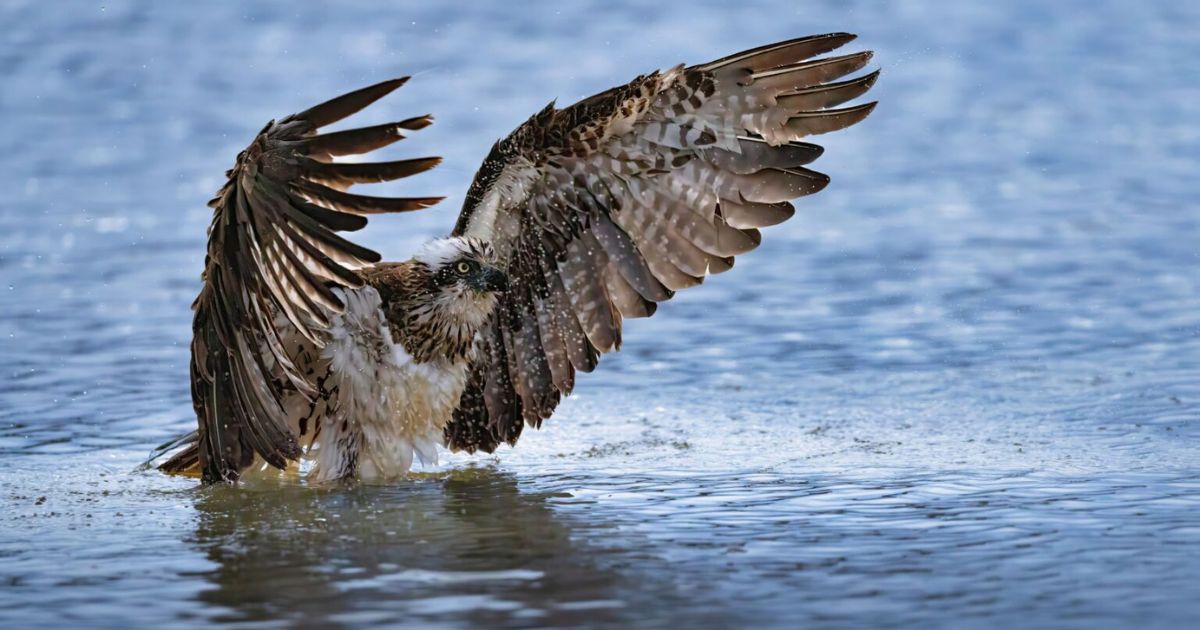
Rachel Avery's photograph titled Bath Time, Hastings Point, which placed third in the adult category of the Our Northern Rivers Photography Competition. Photo: Rachel Avery.


A Pottsville photographer has captured a rare moment of an Eastern Osprey bathing at Hastings Point, earning recognition in a Northern Rivers photography competition.
Rachel Avery placed third in the adult category of Regional Development Australia Northern Rivers’ (RDA Northern Rivers) Our Northern Rivers Photography Competition, which attracted 152 entries and 333 photographs.
Her image, Bath Time, Hastings Point, captured an Eastern Osprey washing in the Hastings Point creek mouth after catching a fish offshore.
Avery said the moment came after a long wait on the beach early one morning.
“I saw a large osprey fly from the sea towards the trees on the northern side and I rushed over and saw that she had caught a large fish,” she said.
“She proceeded to eat the fish for a long while, and after her meal she simply flew down into the creek mouth and began to bathe.”
Avery said photographing the scene required patience.
She waited about an hour while the bird fed, preened and rested high in a tree.
“My back and shoulder were aching,” she said.
When the bird flew into the water, Avery said she sprinted to the edge with her camera ready.
“Once she flew down into the water I knew I didn’t have much time as she would feel vulnerable low in the water,” she said.
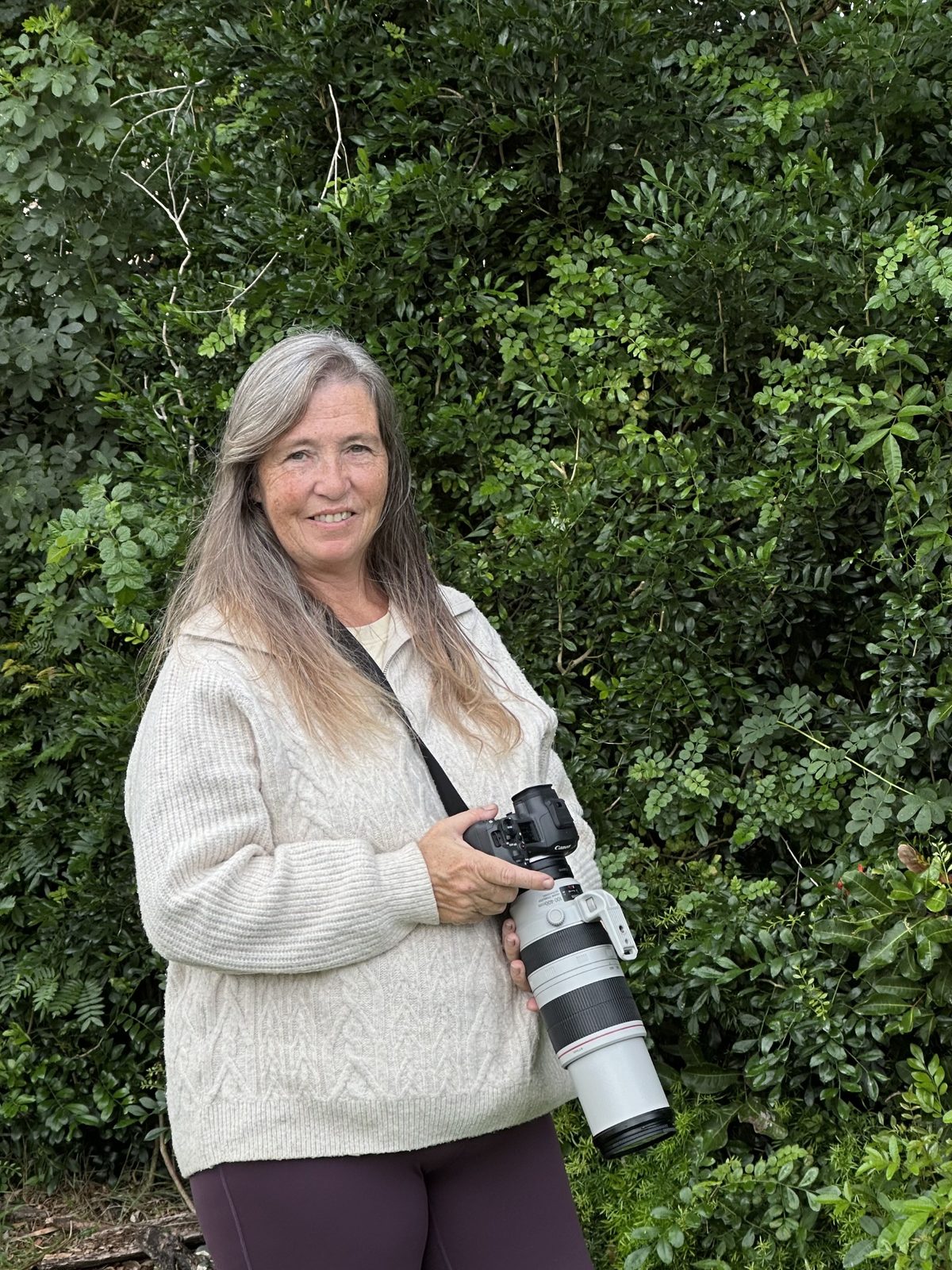
“I had anticipated she may do this, so I had my zoom lens extended, high shutter speed and took as many photos as I could.”
Avery said the image may have resonated because it captured a behaviour people do not often see.
“I think it resonated with people because it shows a large raptor in the creek mouth, which is unusual to see, often people see them flying around maybe with a fish, but they are not often seen on the ground in water just washing,” she said.
“It was a privilege to watch and photograph a native Australian bird of prey in its natural environment, feeding and washing as nature intended.”
She described Hastings Point as a place where people can witness nature unfold.
“Hastings Point is a beautiful diverse natural area that changes through the months and tides,” she said.
“It has many birds that feed, breed and migrate to this area and have been for thousands of years.”
Avery said photography had also deepened her understanding of wildlife and the pressures many species face in busy coastal areas.
“I think when you photograph any wildlife, the animal or bird should come first,” she said.
“I would rather not get a photo than disturb a bird.”
She said human activity could unintentionally impact sensitive habitats.
“I honestly don’t think people are cruel, I just think they don’t understand that if a child chases a bird, it could leave its chick, or it may make them use vital energy,” she said.
“I see people leaving fishing line on the beach or in the water, kayaking around the mangroves where the birds nest etc.”
Avery said balancing tourism with environmental protection remained important.
“Tourism is an important aspect for the Tweed, but so is the wildlife that lives there,” she said.
Share


Related Articles
Children’s Ward receives new phototherapy lights
LISMORE Base Hospital’s Children’s Ward has received two new phototherapy…
Art exhibition to highlight end of an era at town and gown event
THE annual Lennox Head Lions Town and Gown Art Exhibition…