RBA hits borrowers again as fuel prices surge
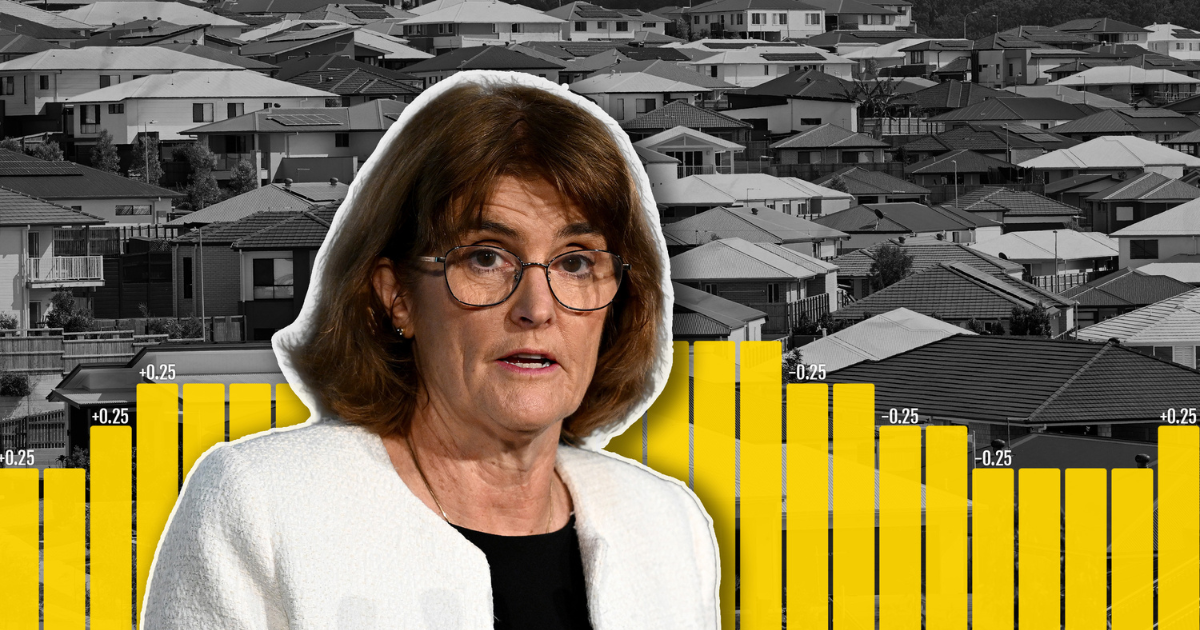
Michele Bullock, Governor of the Reserve Bank of Australia. Photo: AAP


BORROWERS and small businesses are facing renewed financial pressure after the Reserve Bank of Australia resumed raising interest rates at its March meeting.
The central bank increased the cash rate by 25 basis points to 4.1 per cent as inflation risks strengthened and global fuel prices climbed.
The decision was made by a narrow majority, with five board members voting for the increase and four preferring to leave rates unchanged.
The Reserve Bank said sharply higher fuel prices linked to conflict in the Middle East could push inflation higher in the near term and risk keeping it above target for longer than previously expected.
Mortgage broker Mortgage Choice estimates that if lenders pass on the increase in full, repayments on a typical $750,000 home loan could rise by about $120 a month, while borrowers with $1 million loans may face increases closer to $160.
Accounting body CPA Australia said fuel dependent small businesses were already struggling to absorb higher costs.
CPA Australia business and investment lead Gavan Ord said many operators were being hit from multiple directions.
“These businesses are feeling bruised by higher fuel costs that are flowing through every part of their operations,” he said.
“Fuel isn’t optional – it’s fundamental – and when prices spike, costs rise immediately with very little room to hide.”
Mr Ord said the latest rate rise compounded pressure at a time when confidence across the economy was weakening.
“For many small businesses, fuel is now one of their largest and most volatile expenses. Combined with higher interest rates and persistent inflation, it’s making an already difficult situation worse.”
He said households were also pulling back spending as borrowing costs continued to rise.
“Households are pulling back, businesses are losing confidence, and yet costs keep rising,” he said.
“This rate increase adds fresh pressure just as many were hoping for some relief.”
Businesses reliant on transport and mobility were feeling the impact daily, Mr Ord said.
“Every trip, delivery and service call now costs more. Businesses can’t absorb these increases indefinitely, and many are running out of options.”
CPA Australia warned higher operating costs were likely to be passed on to consumers in coming months.
“When costs rise this sharply and this quickly, prices inevitably follow,” Mr Ord said.
“Many small businesses will be forced to pass on higher costs, while others will delay investment, reduce services or scale back employment.”
Mr Ord said longer term reform would be needed to restore confidence.
“Short-term relief won’t fix a system where small businesses are burdened by high costs, excessive red tape and uncertainty,” he said.
“What is needed is decisive action to cut unnecessary regulation, lift productivity and restore confidence.”
Share


Related Articles
Children’s Ward receives new phototherapy lights
LISMORE Base Hospital’s Children’s Ward has received two new phototherapy…
Art exhibition to highlight end of an era at town and gown event
THE annual Lennox Head Lions Town and Gown Art Exhibition…