Rewilding wins for backyard impact urban biodiversity

The one acre Kielvale property was bare and sloped but with stunning views. Photo: SUPPLIED


KIELVALE residents Robyn Twell and husband James Fullerton had little idea of what they were in for when they escaped the city to buy a one-acre property in 2016.
The couple had bought the bare block, moved from Brisbane to build, and were then pummelled by the 2017 floods.
“While the house was being built, we had everything in storage at South Murwillumbah, so we lost it all,” Twell said.
“It was a huge culling, but we didn’t lose the house; it was just being built. We lost a lot of stuff, but it was just stuff, and it was so tragic for the town.”
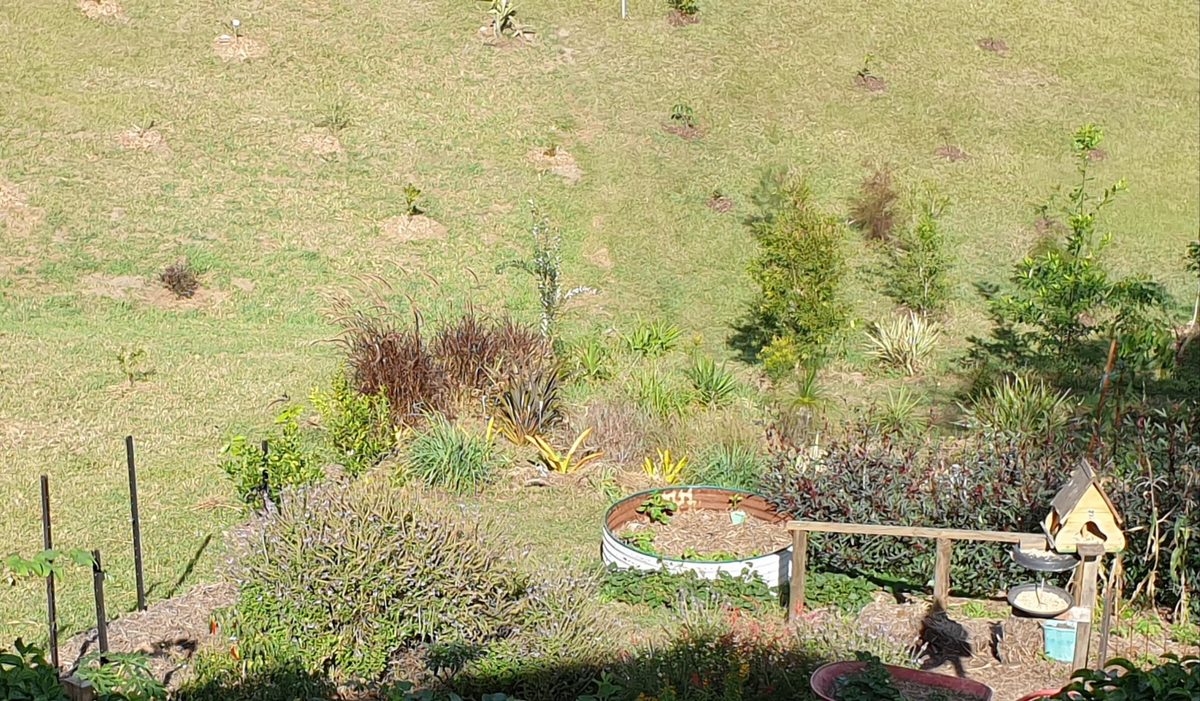
From bare bones and region-wide devastation, the keen gardener evaluated what was possible on the small, steep block.
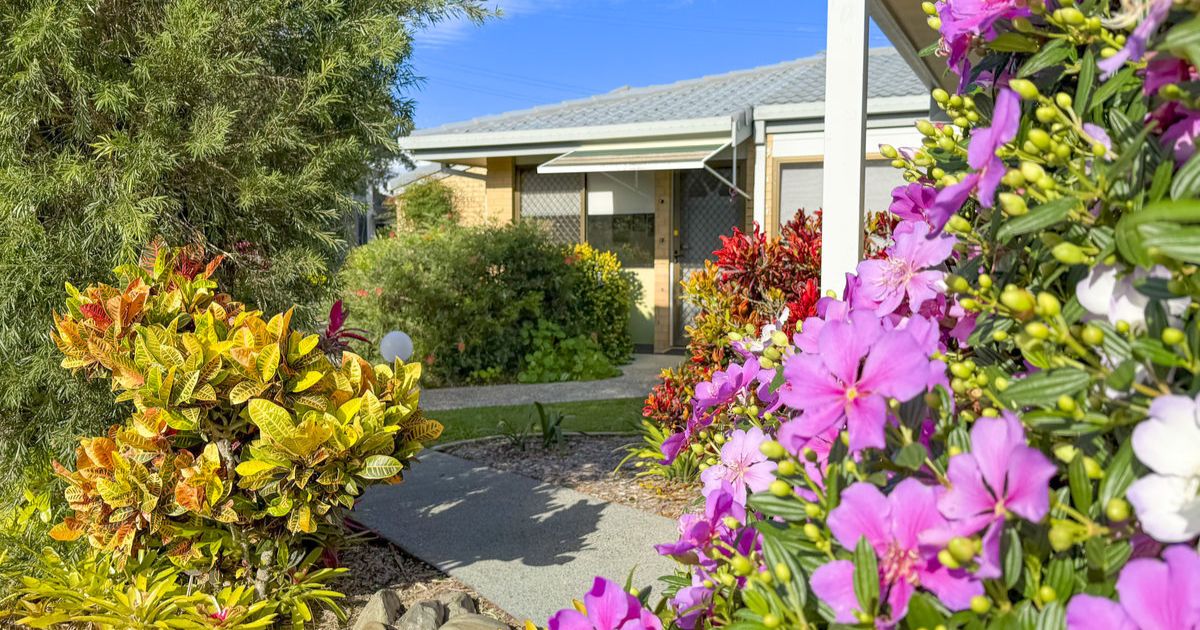
It was a practical lightbulb moment that led the couple to decide to begin rewilding the property.
“Because we’re not getting any younger, I thought I’d just do around the house, but I got a bit carried away, and I wanted to do something for the environment,” Twell said.
“My husband was doing a lot of mowing, but it was quite dangerous because it was a very big slope, and I suggested that if it were all treed, he wouldn’t have to mow.
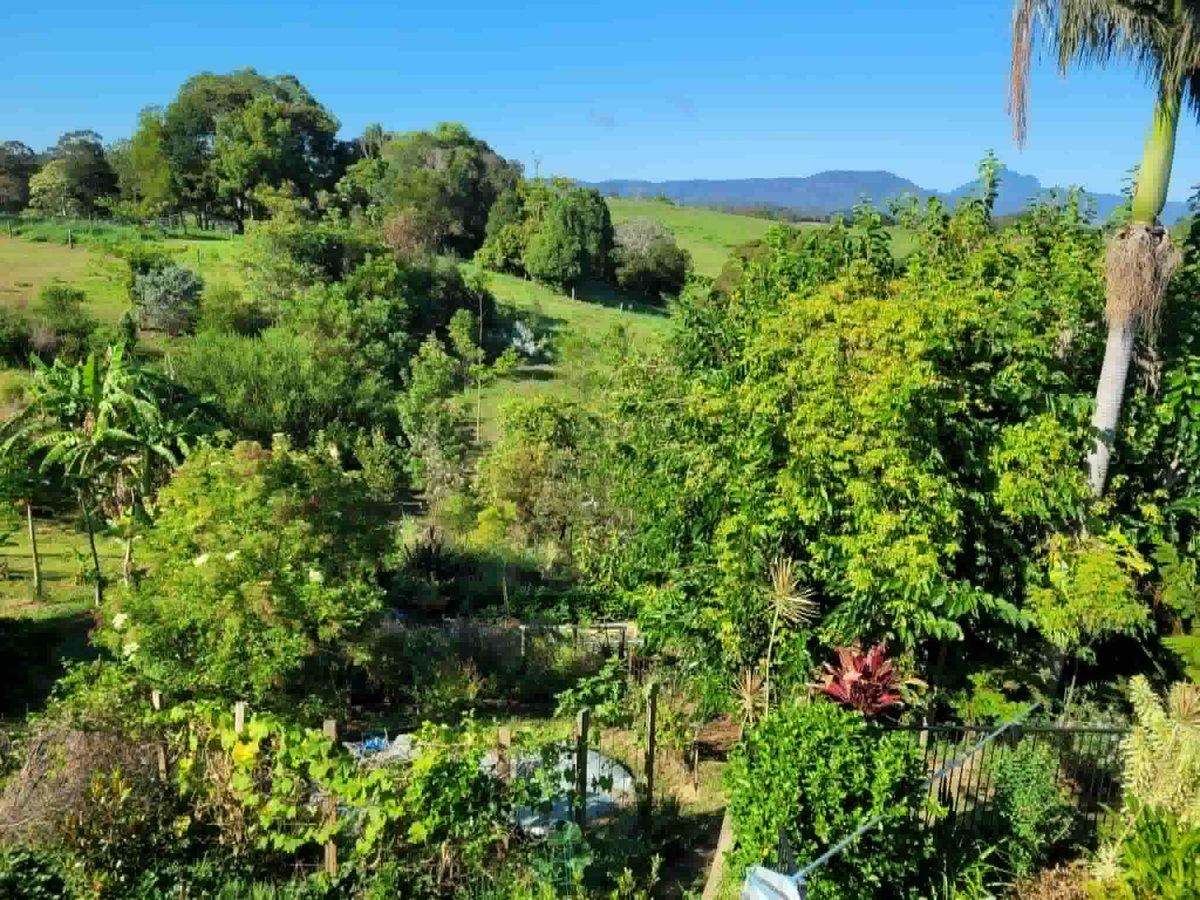
“So part of it was to avoid the mowing to make it safer for my husband, the environment, and to attract wildlife.
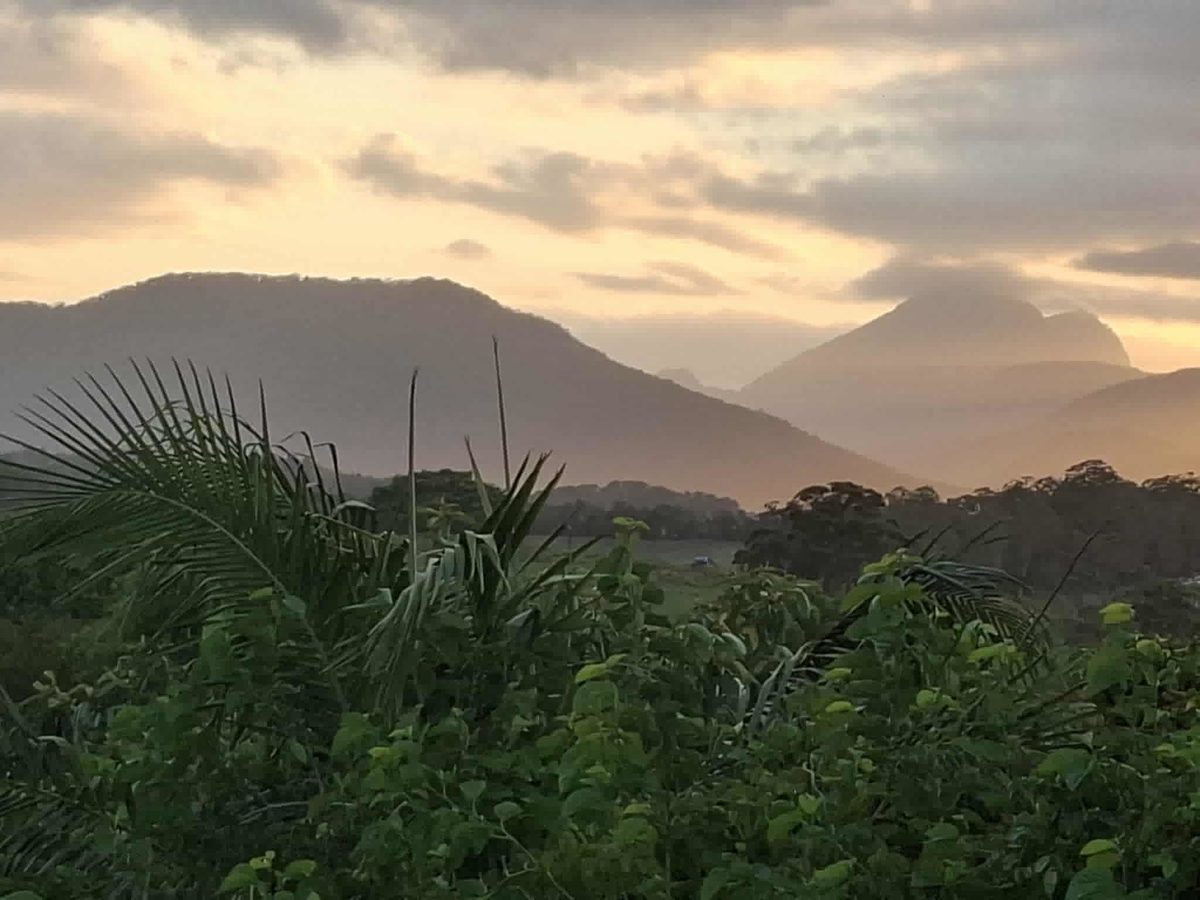
“When I started the journey, I wasn’t very knowledgeable about natives, and when we came here, I decided it was such a beautiful place I wanted to bring it back to as close to what it once was as I could.”
Winners of the Tweed Shire Council 2025 Sustainability Awards in the Urban Rewilding category, the award recognised the impact that individuals and families can have in their own backyards to provide cooling, habitat, and biodiversity benefits in urban environments.
The judges commented that the project’s rewilding efforts were well done and would increase habitat complexity over time, requiring a significant effort to plant a large area.
They also noted Twell and Fullerton’s lack of knowledge and experience, but acknowledged that they had utilised the Tweed native planting guide as a primary resource, as well as using dead trees as perches and providing bird baths and native beehives.
“The Tweed planting guide was very significant, and it was my Bible, to be honest; it’s an excellent guide, and it’s good for beginners,” Twell said.
“We sourced plants from lots of local suppliers, including the Environment Centre and Burringbar Nursery.
“We would have put in more than 1000 plants and trees, I’m not sure. We lost a lot in the drought and the flood, but we just kept going.”
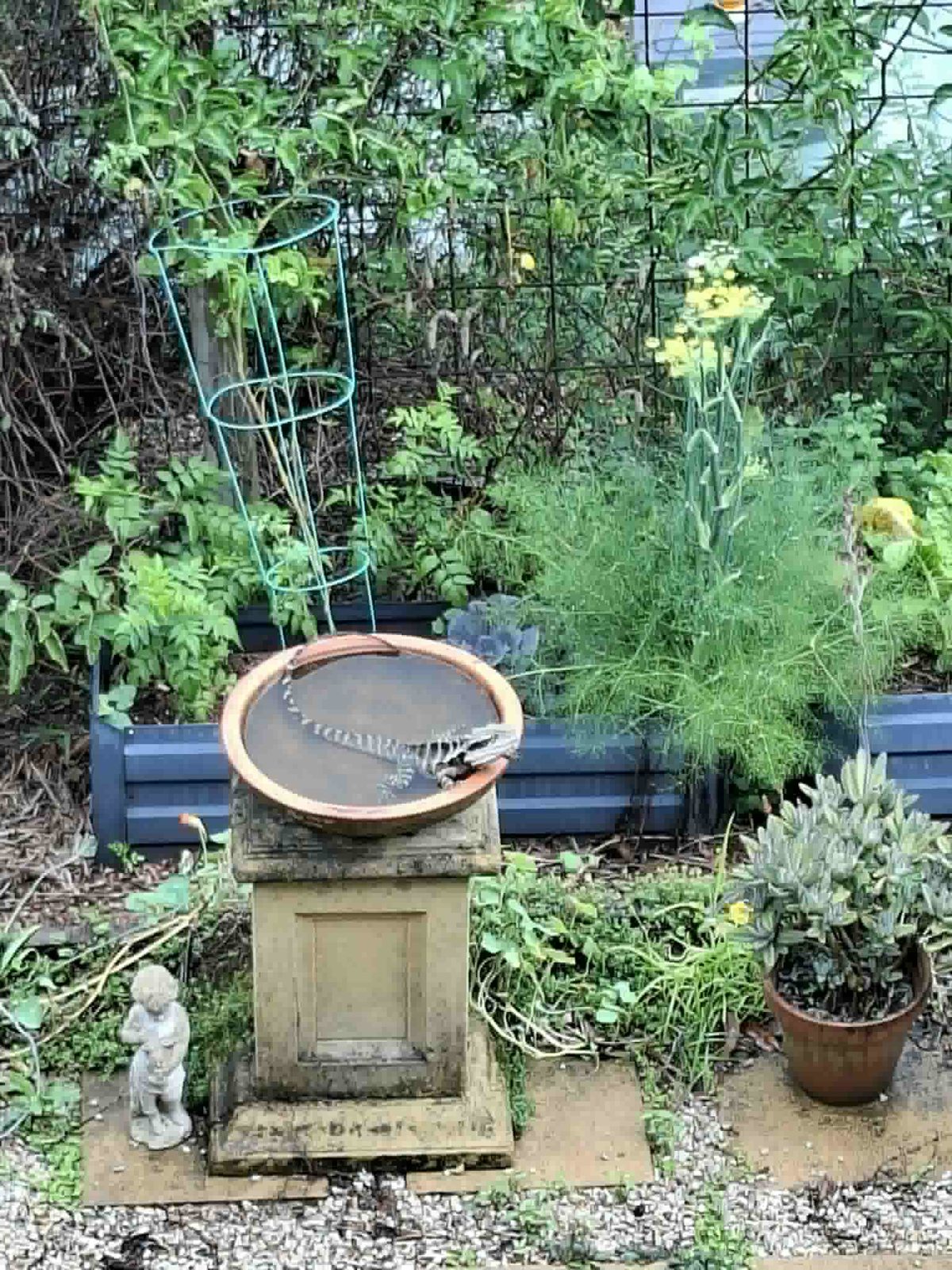
Aside from the benefits to the environment and the land, Twell said the positive mental health and wellbeing effects were clear from the beginning and continue to be evident.
“After a day of really hard work, you feel good and you sleep well,” she said.
“The hard work is very gratifying, and the physical exercise obviously gets the endorphins going. Putting in a pool really saved us.
“As we’re both in our 70s now, we don’t do quite as much, but we’re still out there and we’re not finished yet.”
The couple believe the benefits now extend even further as they enjoy the green paradise they have created.
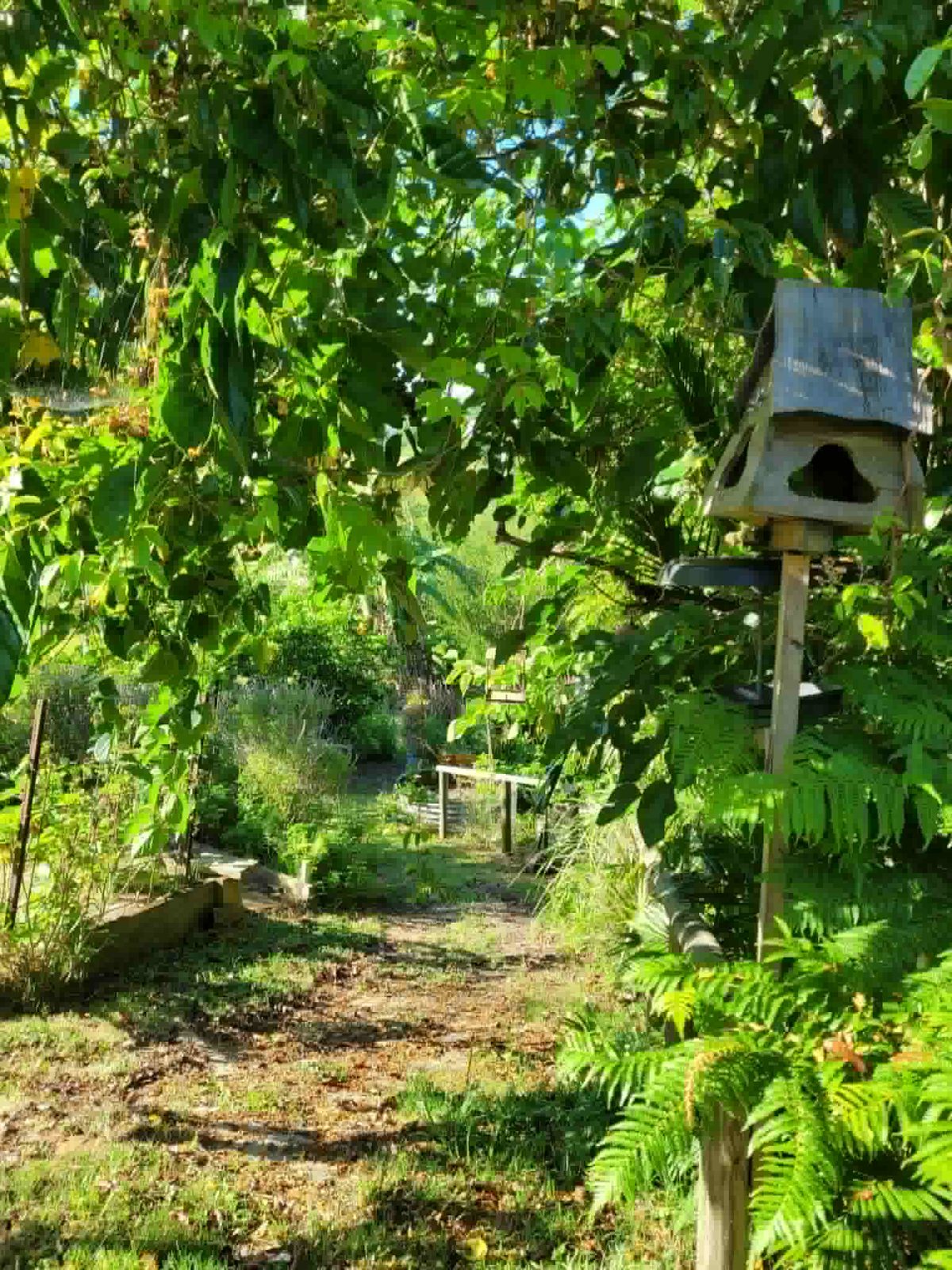
“We sit on our deck and just think, isn’t that fantastic? It’s very gratifying for us, and we wanted to bring the wildlife, and particularly birds,” Twell said.
“Now, as entertainment, we have a small deck at the front with lots of natives and a big deck at the back, and from both we can bird watch an amazing array of birds.
“The little brown honey eaters were the first, and now blue wren, about which I’m just absolutely over the moon, finches, wattle birds, old parrots, cockatoos, and we have had black cockatoos, it’s quite amazing.”
For information on planting native species of the region, visit info.tweed.nsw.gov.au/NativeSpeciesPlantingGuide
Share


Related Articles
Press Council celebrates 50 years
The Australian Press Council is marking its 50th anniversary by…
The Sum of Us to re-emerge in Murwillumbah
MORE than three decades after it first challenged audiences with…