Tick season is here
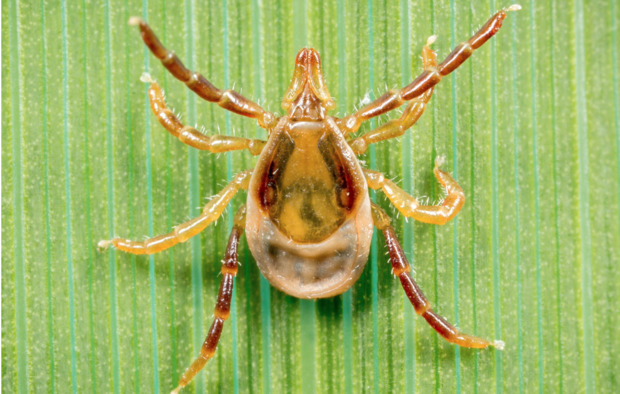


FOLLOWING three cases of tick-related anaphylaxis at local hospitals in recent weeks, the Northern NSW Local Health District (NNSWLHD) is urging residents to take precautions against tick bites.
Ticks are increasingly prevalent as sustained hot weather and humid conditions set in.
While most bites are harmless, they can occasionally lead to mammalian meat allergy and some rare bacterial illnesses.
However, tick anaphylaxis is a severe allergic reaction that can occur in some people immediately after being bitten by an adult tick.
Symptoms may include difficulty breathing, swelling of the face or throat, hives, dizziness, and fainting.
Immediate treatment with an adrenaline autoinjector, such as an EpiPen, and calling Triple Zero (000) is critical.
North Coast Population and Public Health associate director Robin Auld said preventing tick bites and knowing how to remove ticks safely were key to preventing illness.
“Protect yourself when outdoors by applying insect repellent and wearing long sleeves and pants, especially in bushland or areas with tall grass,” Auld said.
“Check your body for ticks after outdoor activities, particularly your scalp, underarms and groin, and avoid sitting or lying in long grass or leaf litter.
“If you are bitten by a tick, leave it in place and do not disturb. Freeze the tick using ether-containing sprays, such as Medi Freeze, before removal. Ticks should be removed as soon as possible to prevent an allergic reaction.
“For smaller ticks, a permethrin-based cream like Lyclear can be applied. Both are available over the counter at pharmacies.”
People who know they are allergic to ticks should always carry an adrenaline autoinjector and have an anaphylaxis action plan.
For more information on prevention, management, and recognising allergic reactions, visit health.gov.au/our-work/dscatt
Share


Related Articles
Press Council celebrates 50 years
The Australian Press Council is marking its 50th anniversary by…
50 years of NAIDOC
THE NAIDOC Week Celebration Walk in Ballina marked an important…