Tiny houses shift from fringe to frontline as Northern Rivers housing crisis deepens
Rising housing pressure is pushing more people to consider tiny homes as a long-term solution. Photo: Supplied.


TINY houses are no longer the domain of alternative lifestyle seekers in the Northern Rivers, with a growing cross-section of the community turning to compact living as the housing crisis tightens its grip.
From essential workers to families in transition, demand is being driven less by choice and more by necessity, according to Australian Tiny House Association president Danielle Lester.
“It’s one of the most significant shifts I’ve witnessed in my time in this movement,” Lester said.
“We’re hearing from nurses, teachers, young tradies, single parents, people who’ve been through a divorce and can’t get back into the market.”
“These are everyday Australians who aren’t dreaming of an alternative lifestyle, they just want a home they can afford and a place they can feel secure.”
She said that shift reflects the depth of the housing crisis.
“Tiny houses haven’t changed, the circumstances that drive people to them have,” she said.
The trend is particularly pronounced in the Northern Rivers, where housing affordability was already strained before the 2022 floods further reduced supply and displaced communities.
Lester said the region’s mix of rural land, flood constraints and a strong culture of self-sufficient living made it well suited to tiny houses if policy settings could keep pace.
“I’d argue they’re one of the most practical tools available in that specific context,” she said.
“The Northern Rivers has a particular set of circumstances, flood-affected land that can’t be built on conventionally, dispersed rural communities, a strong existing culture of alternative and self-sufficient living, and a housing market that was already completely out of reach for working people before the floods made it worse.”
“Tiny houses fit that landscape.”
Lester said residents are building long-term lives in these dwellings.
“The people living in tiny houses aren’t doing it temporarily,” she said.
“They’re putting down roots in communities.”
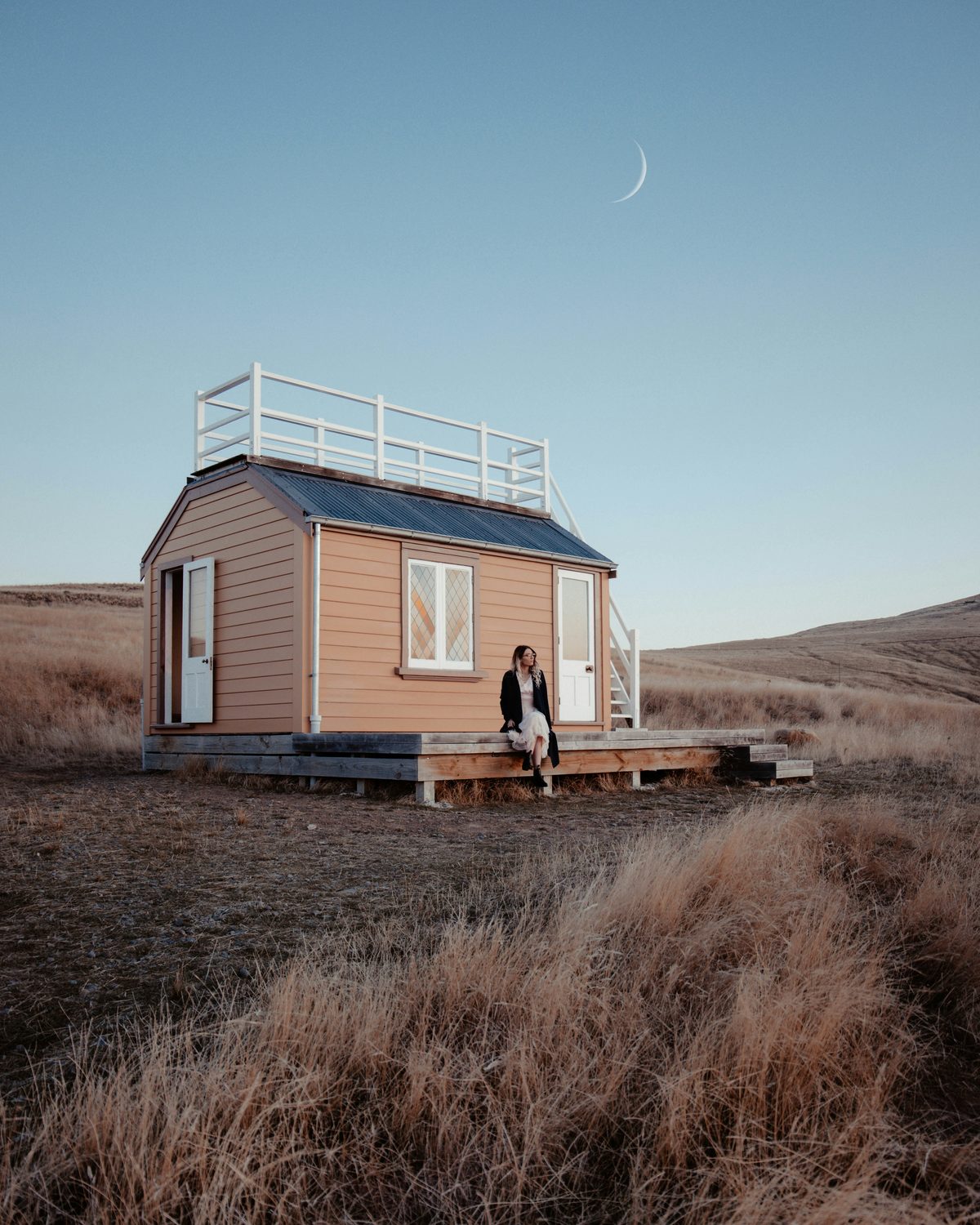
“They’re raising children and growing gardens and looking after elderly parents.”
But significant barriers remain, particularly around land access and regulation.
“The biggest shock for most people is land, not just the cost, but the sheer difficulty of finding somewhere secure to put their house,” Lester said.
At the core of the issue, she said, is the absence of a clear legal definition.
“The fundamental problem is that tiny houses don’t exist in Australian law,” she said.
She described the tiny house as a “square peg forced into a series of round holes”, often classified as a caravan, manufactured home, secondary dwelling, or temporary structure.
“None of those categories fit and that ambiguity ripples through every system that touches housing, including planning, finance, insurance, utilities, and rates,” she said.
Lester is calling for urgent planning reform, including a dedicated classification for tiny houses and mandated pathways for councils to assess applications.
“The most urgent thing is a dedicated planning definition, a legal category that says this is a tiny house, here is what it must meet to be considered a dwelling, and here are the pathways to place one permanently,” she said.
In the absence of this clear planning definition, communities are finding their own solutions, including land-sharing arrangements and the development of so-called tiny house villages.
“Tiny house villages are the most exciting development, purpose-designed communities where residents own their home but share the land under a community title or long-term lease arrangement,” she said.
Tweed Shire local Yvette Nielsen is currently building her tiny home and searching for suitable land to rent and live on, a process she described as challenging.
“It’s tricky because you need land where you’re not sitting on top of the owner,” Nielsen said.
Nielsen pointed to elevation, enough sunlight for solar use, and level ground as key factors in site suitability.
She said the response to her social media posts seeking land had been largely empathetic.
“The response has been overwhelmingly supportive,” she said.
“Everyone knows somebody in the community who can’t find an affordable home.”
Nielsen said her own situation reflects how quickly housing security can shift.
“It can happen to anyone,” she said.
“I didn’t think I’d be in this position.”
“I worked all my life, but I don’t actually have enough super to go out and spend a million bucks on a house.”
“There are some overwhelming circumstances working against people from getting into their own property, and as houses and property prices are getting bigger, a lot of us are having to go smaller to survive.”
Having spent the past few years living out of a camper van, she is familiar with the “forced minimalisation” that comes with tiny home living, which she said is both difficult and rewarding.
“The forced minimalisation has really streamlined my life,” she said.
“It’s an emotional process letting go of your things from your lifetime.”
On the other hand, she said the lifestyle also offers a closer connection to nature.
“It brings the outdoors in,” she said.
“You’re living out of the house instead of in it, so ideally, you want somewhere where you’ve got a little bit of space and outlook because it really is getting closer to nature.”
Nielsen, whose tiny home is expected to be completed within the next month, said she hopes the model gains traction as a response to the housing crisis.
“People are trying to live more simply and more sustainably,” she said.
“Housing right around the world is being treated as a commodity.”
“It’s an investment, it’s not being treated as a basic human right, which shelter is.”
Share


Related Articles

Gordon Ramsay-trained chef Elizabeth O’Brien takes over at refurbished Crystalbrook Resort restaurant
SHE honed her skills at the local RSL and worked…
Tumbulgum’s century-old hall stands strong after repeated floods
MORE than a century after locals built Tumbulgum Hall, the…