University team among group calling for greater Indigenous control over native foods
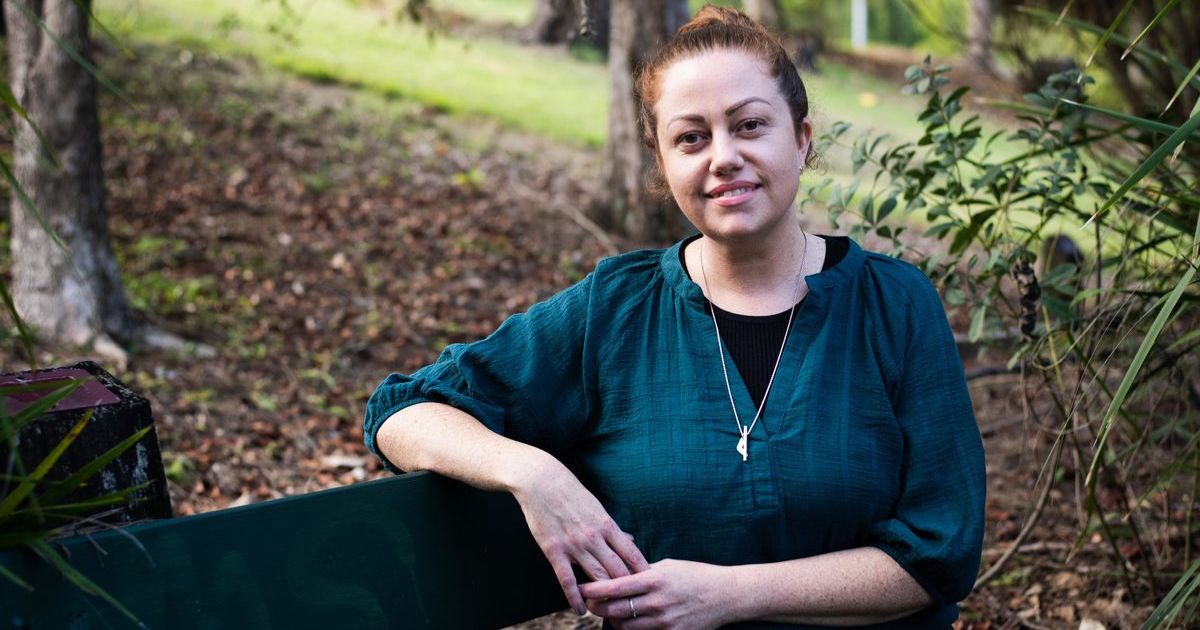
Dr Alana Gall is concerned commercial companies are exploiting native food without consultation from indigenous groups. Photo: Southern Cross University.


SOUTHERN Cross University senior lecturer in Indigenous traditional medicine Dr Alana Gall is among a group of Aboriginal leaders and advocates to call out commercial companies exploiting native food knowledge without adequate community engagement.
They are urging government action to ensure Indigenous people can better lead and control the access and benefits that arise from their traditional foods.
The new evidence-based commentary, published in the Australian and New Zealand Journal of Public Health, represents the collective view of six leading Aboriginal academics and one non-Indigenous researcher with expertise across bush food, traditional Indigenous medicines, policy and law.
Dr Gall leads a program of research focused on Indigenous medicine at Southern Cross University and is also the outgoing vice-president of the Public Health Association of Australia.
“It’s really concerning to see Indigenous knowledge being commercialised without appropriate protection, or any benefit to Aboriginal and Torres Strait Islander People who have held this knowledge for thousands of years,” she said.
“Internationally, Australia has signed up to the 2024 international law that aims to protect Indigenous cultural knowledge from appropriation and provides intellectual property guards, among other important international laws like the Nagoya Protocol.
“These need to be ratified with standalone legislation that work for Indigenous communities.
“At the same time, we need innovative government action to help Aboriginal and Torres Strait Islanders secure better access to and control over the foods and medicines that are an essential part of their cultural identity and health.”
Lead author Dr Luke Williams is focused on the traditional uses of native plants for food and medicine.
He said native plants are an essential part of Aboriginal cultural identity and is especially concerned about the growing commercialisation of Indigenous knowledge of native ingredients without genuine community engagement or benefit.
“Native foods are a $100 million dollar industry in Australia,” he said.
“Well-known examples include ingredients like lemon myrtle, Davidson plum, finger lime, wattleseed and Kakadu plum.
“A 2020 report looking at 13 native plants, all of which have a long history of use in Aboriginal communities, estimated that the industry would be worth $140 million in 2025.
“Yet, it is estimated that a miniscule amount, less than one percent of industry revenue, goes to Aboriginal and Torres Strait Islander communities.
Share


Related Articles

More than 500 flood-resilient homes proposed for East Lismore
THE NSW government has released a draft master plan for…
$1.47m upgrade will revitalise Jack Evans Boat Harbour foreshore
AGEING infrastructure at Jack Evans Boat Harbour will be upgraded…