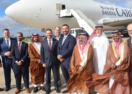
Avalon opens Australia’s first Saudi trade corridor
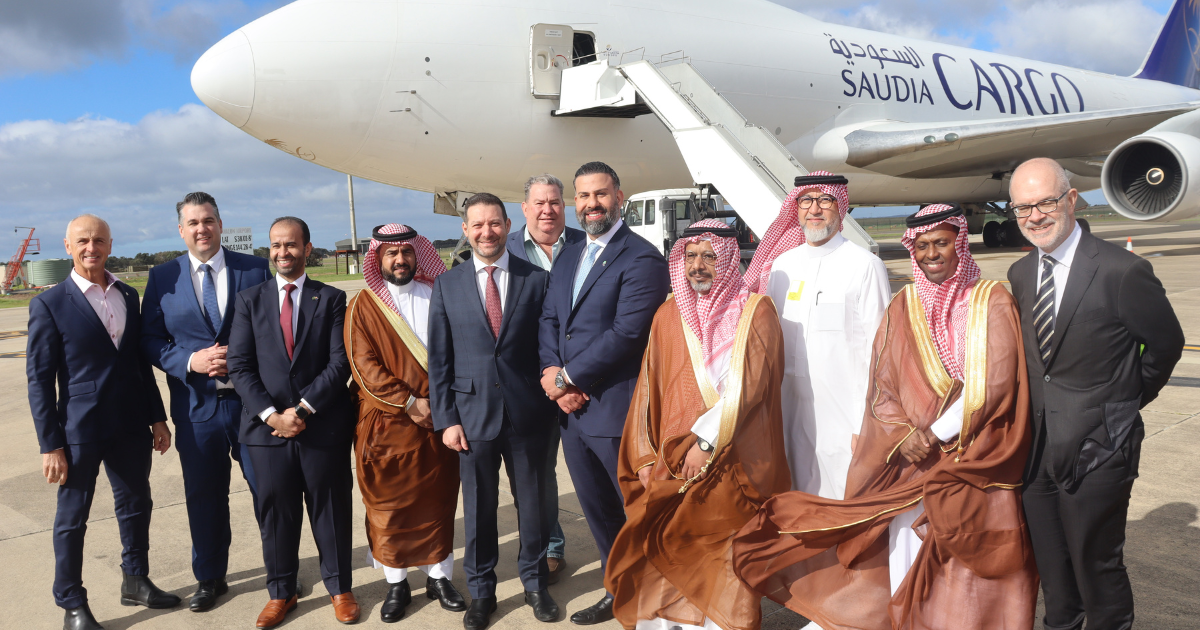
Australia's first direct freight corridor to Saudi Arabia is now operating through Avalon Airport, creating a faster export route to the Middle East for Victorian businesses. Photos: James Taylor.


Australia’s first direct trade corridor with Saudi Arabia is now operational at Avalon Airport, with the first flights starting this weekend.
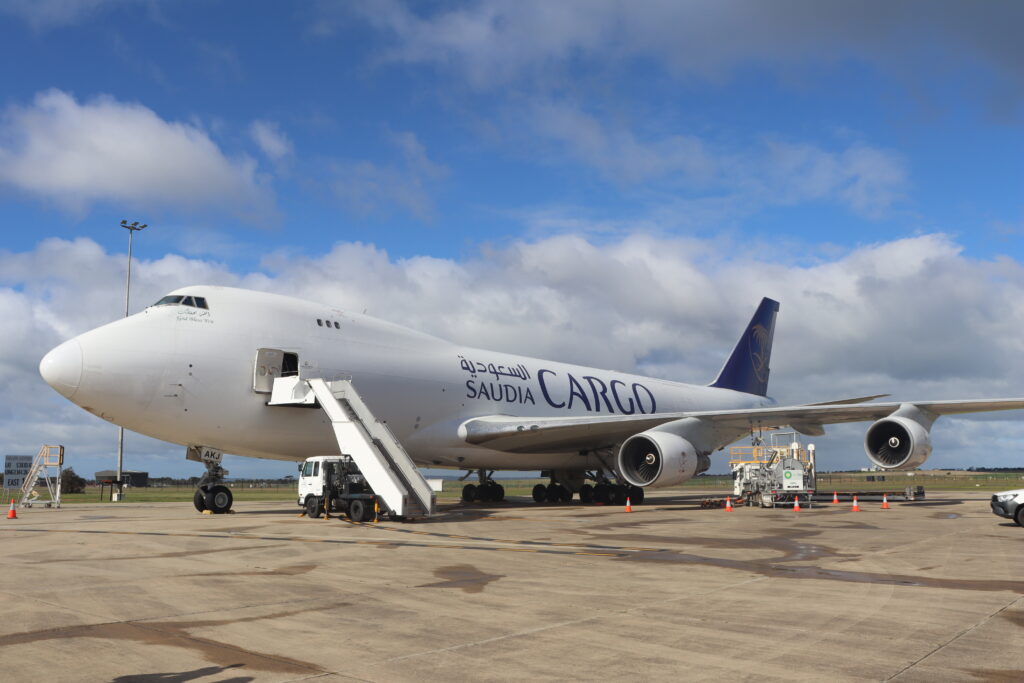
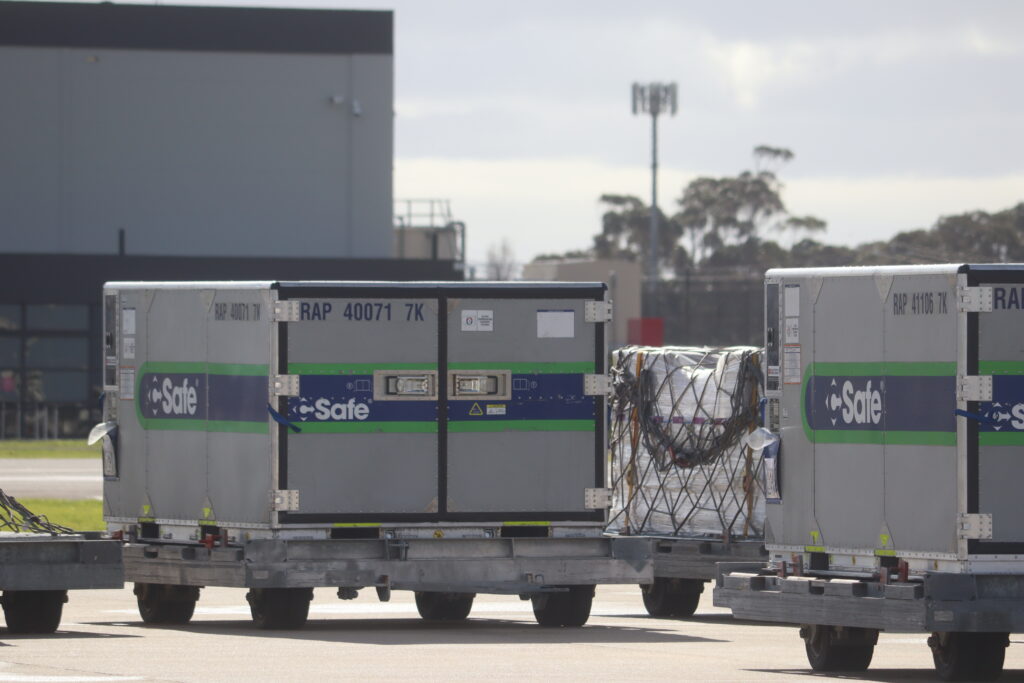
The first Saudia Cargo freighter aircraft to fly the route touched down at Avalon on Saturday morning and flew back to the Middle East later that day carrying a load of Victorian lamb and farming equipment.
Australian companies exporting agriculture products, pharmaceuticals, advanced manufacturing and e-commerce to the Middle East will be the first to benefit from the arrangement.
Avalon is the first Australian airport to receive freight under the deal with the Australia Saudi Logistics Alliance, and flights began less than two months after Avalon and the alliance signed a memorandum of understanding.
Avalon chief executive Ari Suss said the airport was transforming into a major international trade gateway.
“Only months ago, this was simply an idea, and now it is a reality,” he said.
“That is what happens when good people gather, they share an entrepreneurial spirit and they’re prepared to build something new.”
Australia sent about $882 million in exports to Saudi Arabia in 2025 and the direct freight corridor is expected to create more opportunities for exporters seeking faster access to Saudi Arabia and the broader Gulf region.
Suss said Saudi Arabia relied on up to 90 per cent of its food being imported, which presented huge opportunities for Australian exporters.
“This is a real coup not just for Avalon but also for Victoria,” he said.
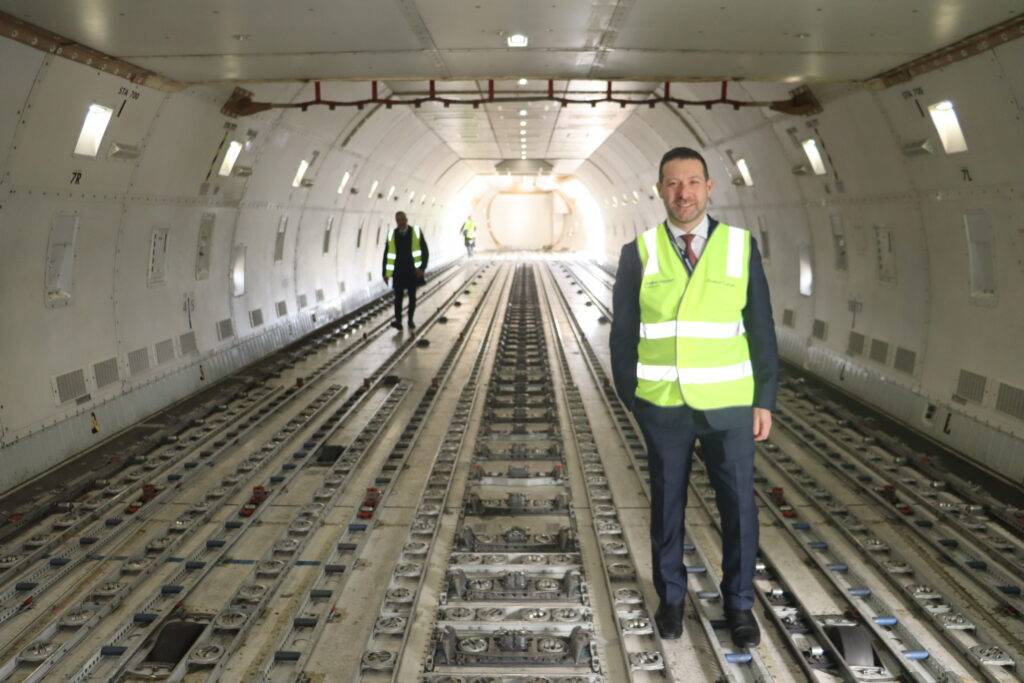
Australia Saudi Logistics Alliance representative Sam Jamsheedi said almost 60 per cent of Australian exports to Middle Eastern markets eventually ended up in Saudi Arabia.
He said the Iran war had caused longer transit times, higher prices and sea freight disruptions, prompting exporters to increasingly look to air freight.
“What this represents to the Australian exporting community and businesses is a fresh new opening,” Jamsheedi said.
Victorian minister for ports and freight Melissa Horne said stronger international cargo connections helped Victorian businesses reach new markets, improve supply-chain resilience and support jobs across the state’s freight, logistics and export industries.
“This service reinforces Victoria’s position as a leading freight and trade gateway and demonstrates the value of continued investment in modern aviation and logistics infrastructure,” she said.
Share


Related Articles
Anglesea recruit earns place in infantry
ANGLESEA’S nglesea’s Private Ryan Doyle has earned his Skippy Badge…
Wait goes on for results of bus review
Public transport users across the Geelong region are still waiting…