Ins and Outs: corporate office trends shaping the modern workplace
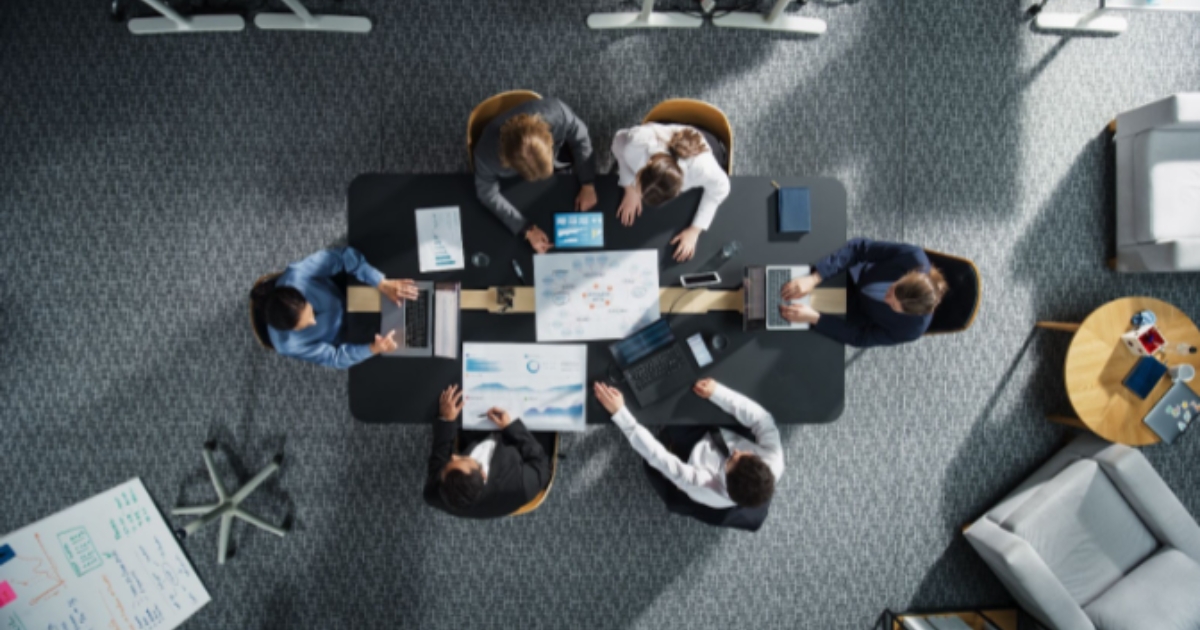
Discover modern workplace office design trends, from café-style hubs and smart tech to sustainable, flexible spaces that boost productivity and employee wellbeing.


For many people, the traditional office still brings to mind rows of grey cubicles and uninspiring spaces designed purely for getting tasks done. But the modern workplace is evolving. Businesses are increasingly recognising that the design of a workspace can directly influence productivity, collaboration and employee wellbeing.
Today’s offices are shifting away from rigid, one-size-fits-all layouts toward flexible environments that support different ways of working. Open-plan areas encourage collaboration and idea-sharing, while quiet zones allow employees to focus without distraction. Breakout lounges, greenery and comfortable communal spaces help create a workplace people actually enjoy spending time in.
The good news is that updating an outdated office doesn’t always require a full-scale renovation. Small, thoughtful changes, like adding greenery, refreshing communal areas or creating more adaptable work zones, can make a big difference. So, how can you modernise your office space? Here are a few ideas to get started.
Cafe-Style Hangouts
With more people embracing hybrid work options, it is increasingly important to enhance conversations and connections while on-site. The humble office kitchen is now a multipurpose social hub. Connect with clients over a cafe-quality coffee brewed by a professional coffee machine. Or build a friendly team culture with a quick lunch catch-up. A pantry stocked with healthy snacks (and the occasional indulgent surprise) is sure to be a crowd-pleaser.
Recreational facilities are standout features of these hubs. Looking for an energy boost? Try a quick foosball challenge. Expanding on the next groundbreaking idea? Have a casual inter-departmental chat at the lounge. Having a relaxing setup where you can take a break ramps up productivity. The ‘cafe culture’ vibe is sure to provide a much-needed change in scenery when handling stressful days.
Comfy, Homelike Relaxation Stations
Cosy spaces create an inviting atmosphere to recharge. ‘Resimercial’ design uses this principle to balance creature residential comforts with commercial usage options. Think sofas, armchairs, beanbags, ambient lighting and entertainment. You can mentally disconnect in these tech-free corners and relax for a while.
Dedicated sleep pods for power naps are a great way to deal with post-lunch energy slumps. Creative corners with interactive boards and colourful markers should be easy to access. These spots invite people to share jokes, doodle or give shoutouts, adding a slice of fun and a mood boost to the day. Another option is to set up a mini-library where booklovers can trade books and discuss ideas in book clubs.
AI & Smart Technology Upgrades
Technology is also playing a growing role in how modern offices are designed and managed. Rather than simply adding gadgets, many workplaces are integrating AI and smart systems to create environments that respond to how people actually use them.
Smart building technology can track occupancy and usage patterns, automatically adjusting lighting, heating and cooling to suit the number of people in a space. Meeting rooms and desks can be reserved through intelligent booking systems that analyse demand and highlight underused areas, helping businesses optimise their floor plans.
AI-powered workplace tools can also support employee wellbeing and productivity. Ergonomic reminders, smart desks and posture-aware chairs encourage healthier working habits throughout the day. Meanwhile, touchless entry systems, automated visitor check-ins and AI-assisted security monitoring streamline the experience of moving through the workplace while maintaining safety. As hybrid work becomes the norm, these technologies help offices function more efficiently and adapt to changing employee needs.
Locally-Global Elements
Colour schemes and material choices inherently connect an enterprise to its surrounding community, culture and environment. You can achieve this by integrating local art, materials and architectural styles into various aspects of the building’s design and layout. Supporting locals also helps a company stand out. In turn, a unique brand identity is formed with a sense of belonging that allows workers to positively relate to the organisation.
Art can tie community spirit to business values. Hiring local artists to create custom pieces is a good way to reflect local culture. Partnering with local art initiatives to create temporary art exhibits draws attention to your organisation. Having eye-catching art in reception areas leaves a strong first impression on personnel and clients alike. It further shows that the company is committed to community engagement.
Sustainability Practices
Employees appreciate establishments that offer eco-friendly, unique spaces. This encourages more people to come into the office. Repurposing old buildings is a great way to lower carbon footprints while adding character and charm to a place.
Cutting energy use to net-zero helps reduce environmental impact. Many companies follow Environmental, Social and Governance (ESG) guidelines to manage their energy use responsibly. Green certified buildings ensure compliance with high environmental and health standards. This keeps costs low and brand reputation at an all-time high. Bringing nature indoors through biophilic design is a valuable addition, incorporating natural elements such as plants, natural lighting and organic materials like stone benches or timber panelling. Outdoor terraces and garden pods provide spaces to breathe and think.
Alongside this, efficient waste management systems show a proactive approach to sustainability. Paperless operations, clearly labelled sorting stations, e-waste recycling and teaming up with waste-to-energy conversion partners are great waste-management practices to implement.
Flexible and Wellness Opportunities
Remember, the employee should be the focal point when considering reasons for change. Each individual is unique and should have the freedom to choose the kind of setup they thrive in. Things like booking systems can monitor real-time availability and space availability, keeping scheduling arrangements in mind. Hotdesking options allow the use of different rooms or workstations on an as-needed basis.
In addition, improving ergonomics is an easy way to improve health and reduce the risk of injury. These include comfortable, adjustable chairs with proper lumbar support, monitor arms for adjusting viewing angles and anti-fatigue mats. It is helpful to encourage movement and make space for active amenities like yoga studios or workout rooms. Provide secure bike storage and end-of-trip facilities to encourage commuting to work.
Key Takeaways
As workplace expectations evolve, office environments need to evolve with them. Modern design trends show that successful workplaces are now defined by how well they support collaboration, comfort, flexibility and wellbeing.
From café-style social hubs and relaxing breakout spaces to smart technology and sustainable design choices, even small upgrades can transform how employees experience the workday. The goal is to create a space that helps people feel engaged, productive and connected. By taking an agile approach to office design, businesses can continue adapting their spaces as work patterns shift.
//This content is provided by a third party
Share


Related Articles
Budgeting for an EV: Key Costs to Consider in your Green Shift
With fuel rates rising nationwide, more Aussie drivers are making…
Cosentino chases that magical feeling
A TRICKY new show with more audience interaction is what…