Swim lesson decline sparks safety concern
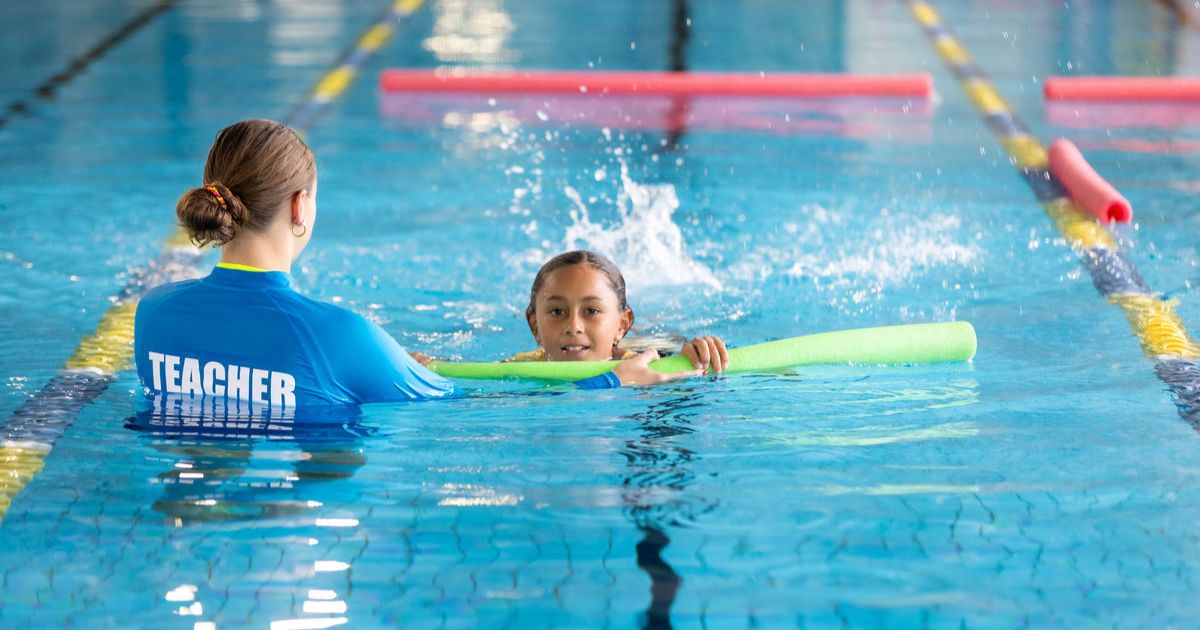
Victorian children are falling short of national swimming and water safety benchmarks by the time they finish primary school. Photo: Royal Life Saving Australia.


LIFE Saving Victoria (LSV) is urging parents and carers to continue their children’s swimming lessons, with a decline in water safety skills creating major concerns for young people.
A new article from LSV’s research and health promotion team, published in The Conversation, states a significant number of children stop swimming lessons as early as the age of eight.
This has contributed to children falling short of national swimming and water safety benchmarks by the time they finish primary school.
The benchmarks state a 12-year-old child should be able to swim 50m without stopping or touching the bottom of the pool, float or tread water for two minutes, and enter and exit the water safely in a range of environments, such as a pool, beach or river.Other benchmarks include diving, swimming underwater and recovering an object from deep water; and completing a survival swimming scenario in light clothing.
Teachers estimate nearly half of all grade 6 students are unable to swim 50m or tread water for two minutes, according to research from Royal Life Saving Australia.As a result, children are particularly vulnerable in open water environments such as beaches, lakes and rivers, which hold a range of hazards and challenges not present in swimming pools.
LSV research has found a key risk where children’s swimming abilities are being overestimated.
When parents reported their child aged between 10-12 as an “OK” swimmer, 65 per cent of these children could not swim 50m in a pool. Similarly, 38 per cent of parent-reported “good” swimmers and 21 per cent of “excellent” swimmers could not swim this distance.
Other factors include children stopping lessons at the end of summer “swimming weather”, financial constraints and conflicting schedules.
Life Saving Victoria is advocating for three solutions; swimming lessons which provide clear information for parents and carers on national swimming and water safety benchmarks, swimming and water safety education in open water environments, and improved access to swimming lessons for children and families that struggle with finances and transport.
LSV manager of research and evaluation Dr Hannah Graefe, who co-authored the article, stressed the importance of continuing swimming lessons.
“Every child should have the opportunity to learn swimming and water safety skills, and be able to enjoy the water safely with their family and peers,” she said.
“Life Saving Victoria encourages parents and carers to continue their children’s swimming lessons for as long as possible. It may just save their life one day.”
Share


Related Articles
A house kept well: Carol retires after 40 good years
IT’s getting harder to find anyone who has stayed in…
Society’s Seasons launching lakeside
AS any Ballarat local can tell you, the region serves…