What Dubai’s Heat Means for Your Daily Travel Plans
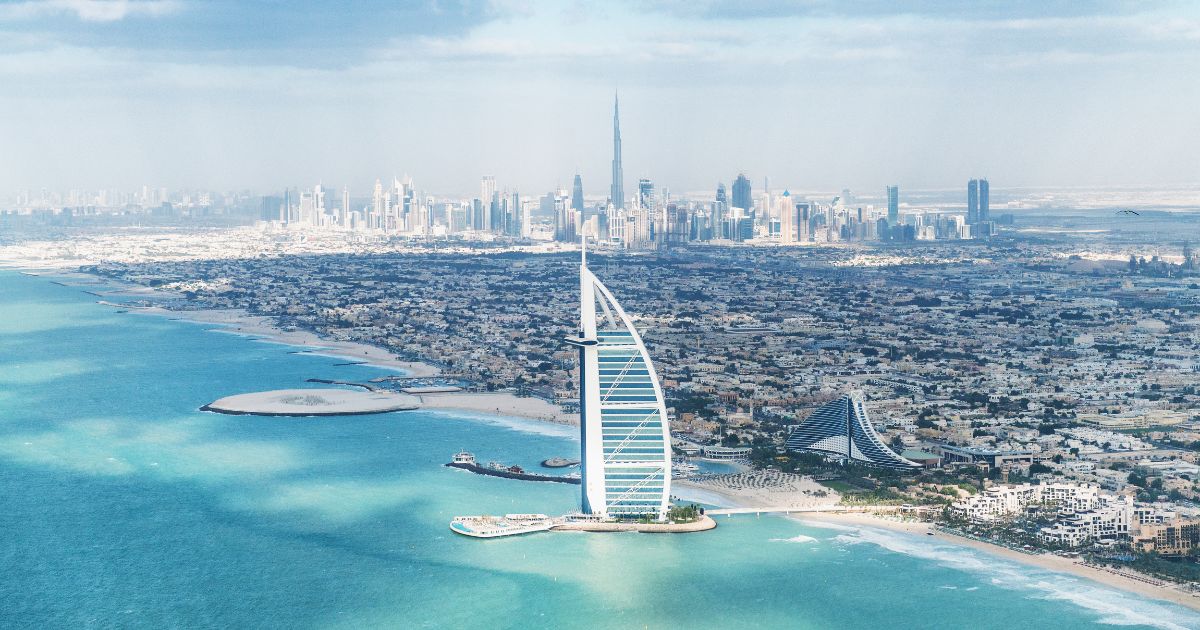
Plan your Dubai trip with practical heat travel tips, including the best times to explore, what to wear, and how to stay comfortable.


Dubai’s temperature influences almost every decision a visitor makes during a trip, from what time to leave the hotel to which activities are realistic on any given day. Summer temperatures regularly exceed 40°C with high humidity, while the winter months offer mild, comfortable weather that opens up outdoor exploration.
Knowing how to structure your days around the heat helps you avoid exhaustion, make better use of your time, and enjoy both the city’s outdoor attractions and its indoor alternatives. Consider setting up a Holafly eSIM for Dubai before departure so you can adjust plans on the go and look for air-conditioned venues.
Understanding the Seasonal Split
Dubai’s year is divided into two broad periods. The cooler months from November to March bring daytime temperatures between 20°C and 30°C, lower humidity, and comfortable evenings. This is peak tourist season, with higher hotel prices and busier attractions, but it also offers the widest range of outdoor activities, including desert excursions, beach days, and waterfront dining.
The hotter months from May to September push daytime temperatures above 40°C, sometimes approaching 50°C, with humidity that makes the air feel heavier than the number suggests. Hotel prices drop significantly during this period, and many indoor attractions run promotions to attract visitors.
Planning Your Day Around the Temperature
During the hotter months, outdoor activities should be scheduled for early morning or late evening. Sunrise walks, beach visits before 9am, and evening waterfront strolls are far more comfortable than anything attempted between midday and 4pm. Reserve the middle of the day for indoor attractions, rest, or meals.
In the cooler months, the midday window opens up for outdoor exploration, though direct sun can still feel strong. Sunscreen and a hat remain useful even when the air temperature feels moderate. Plan the most physically demanding activities for the morning regardless of the season, and keep afternoons lighter.
Indoor Alternatives Worth Knowing
Dubai, like many popular Middle Eastern cities, has invested heavily in indoor attractions, many of which are destinations in their own right. Large shopping centres include ice rinks, aquariums, cinema complexes, and themed entertainment zones. The city also has several major museums, art galleries, and cultural centres that are suitable for a full afternoon visit.
Indoor dining options in Dubai cater to a wide range of tastes, from casual food courts to upscale fine dining establishments. Many restaurants are located within climate-controlled complexes connected to public transport. To avoid any last-minute confusion or scrambling when the heat becomes overwhelming, it’s advisable to maintain a shortlist of indoor dining choices for each day.
Getting Around in the Heat
Walking between attractions is uncomfortable in the summer, even for short distances. The metro system is fully air-conditioned, covers many of the main tourist areas, and connects to trams and feeder buses. Taxis and ride-hailing apps are widely available, and fares are reasonable compared to most major cities.
Some areas have covered or air-conditioned walkways between stations and nearby buildings, though these are limited to specific zones. If your accommodation is not near a metro station, budget for more taxi use during the hotter months. In winter, walking between attractions in waterfront or downtown areas becomes more practical, especially during the evening.
What to Wear
Lightweight, breathable fabrics in light colours are the most practical choice year-round. Loose-fitting clothes help with ventilation and suit the dress expectations in most public spaces.
When visiting mosques, cultural sites, or older neighbourhoods, wear clothing that covers your shoulders and knees. Most major malls and restaurants do not enforce a strict dress code, but modest clothing avoids unwanted attention. Sunglasses, a wide-brimmed hat, and high-SPF sunscreen are essential during any outdoor time, even during the cooler months.
Staying Healthy in High Temperatures
Dehydration is the most common heat-related issue for visitors. Carry water at all times and drink regularly, even when you do not feel thirsty. Bottled water is sold widely and is often provided free at hotels and attractions. Avoid extended sun exposure during peak hours, and take breaks in air-conditioned spaces throughout the day.
If you feel dizzy, nauseous, or unusually fatigued, move to a cool area immediately and rehydrate. Heat exhaustion can develop quickly, especially in visitors who are not accustomed to sustained high temperatures.
Making the Heat Work for You
Dubai’s heat is manageable when your schedule accounts for it. Time outdoor activities for the comfortable hours, keep a list of strong indoor options, stay hydrated, and dress for the conditions. The city is built to function in extreme temperatures, and the infrastructure makes it possible to enjoy a full day in any season.
//This content is provided by a third party
Share


Related Articles

Permission to stray
THE name of a new exhibition at Ross Creek Gallery…
21 Hearts play honours bravery and courage
BALLARAT Mechanics’ Institute and Theatre 180 have announced the release…